Mustang is especially appealing to travelers interested in traveling the world, photography, trekking, history, and cultural exploration. If you are planning a trip, the following destinations can help you build a memorable Mustang itinerary.
Why Mustang Nepal Is Worth Visiting
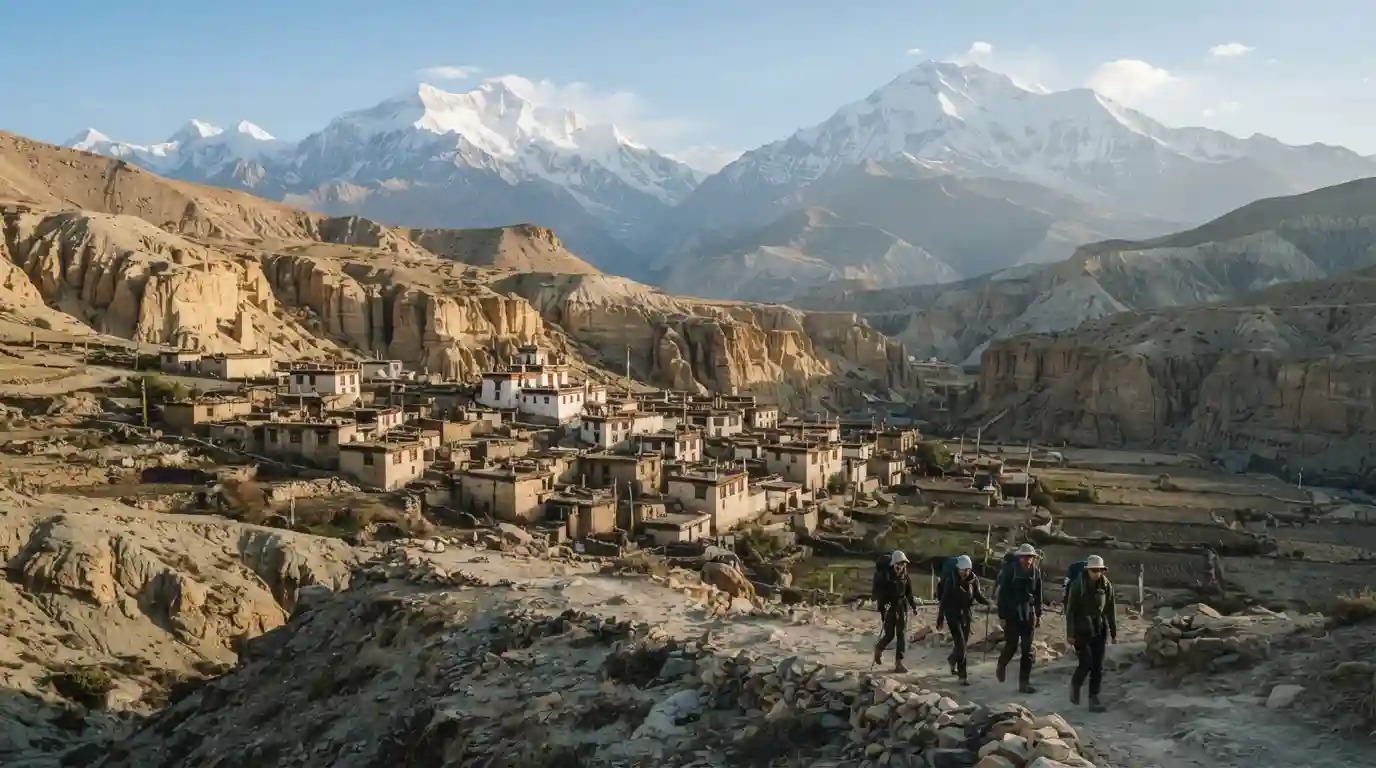
Mustang stands apart because of its combination of high-altitude desert scenery, deep valleys, snow-covered peaks, historic settlements, and Tibetan-influenced traditions. The region includes both Lower Mustang and Upper Mustang, and each area provides a different travel experience.
Lower Mustang is generally easier to access and is home to places such as Jomsom, Marpha, Kagbeni, and Muktinath. Upper Mustang is more remote and is famous for Lo Manthang, ancient monasteries, cave settlements, and stark landscapes.
If you enjoy discovering destinations away from heavily developed tourist centers, Mustang can be especially rewarding. Travelers interested in seasonal adventures may also enjoy exploring other destinations featured in our guides to winter travel, spring destinations, and European winter travel.
1. Lo Manthang
Lo Manthang is one of the most important destinations in Mustang and a highlight for travelers exploring Upper Mustang. The historic settlement is known for its distinctive architecture, ancient monasteries, traditional homes, and strong Tibetan cultural influence.
Walking through the narrow streets provides an opportunity to see a side of Himalayan life that feels remarkably different from modern cities. The settlement’s historic character makes it particularly attractive to photographers, culture enthusiasts, and travelers interested in Himalayan history.
Give yourself enough time to explore rather than treating Lo Manthang as a quick stop. The atmosphere, architecture, surrounding mountains, and local traditions are part of the experience.
2. Muktinath Temple
Muktinath is one of Mustang’s most significant pilgrimage destinations. It holds deep spiritual importance for both Hindu and Buddhist visitors and attracts pilgrims as well as travelers interested in culture and mountain scenery.
The journey to Muktinath also provides impressive views of the surrounding Himalayan landscape. The combination of spirituality, dramatic terrain, and local traditions makes this destination one of the essential stops in Lower Mustang.
If you enjoy destinations that combine natural scenery with cultural significance, you may also want to explore our guides to peaceful places around the world and nature-focused destinations.
3. Kagbeni
Kagbeni is a historic village near the Kali Gandaki River and one of the most atmospheric places to experience Mustang’s traditional character. Its narrow lanes, old stone and mud structures, prayer flags, and surrounding mountains create an unforgettable setting.
The village is also an important point for travelers heading deeper into Mustang. Spend some time walking around the settlement and observing its architecture instead of simply passing through.
Kagbeni is particularly attractive for photographers because the surrounding terrain creates strong contrasts between rugged mountains, traditional buildings, and the open Himalayan sky.
4. Jomsom
Jomsom serves as one of the main gateways to Mustang and is an important base for exploring Lower Mustang. It offers accommodation, transportation connections, food, and other useful services for travelers.
The town is surrounded by dramatic mountain scenery and provides convenient access to several nearby attractions. Because of its role as a transportation hub, Jomsom can be a practical starting point for a wider Mustang itinerary.
If you are building a broader travel plan, you can also compare the experience with destinations covered in our guide to New England summer travel or explore other regional travel ideas through our article on places to visit in the Northeast.
5. Marpha Village
Marpha is famous for its attractive whitewashed houses, stone-paved lanes, mountain surroundings, and traditional village atmosphere. It is one of the most pleasant places to slow down and experience Lower Mustang at a relaxed pace.
The village is also associated with local apple production and traditional food and drink. Visitors can explore the streets, photograph the architecture, and enjoy views of the surrounding landscape.
Marpha works especially well as part of a route that includes Jomsom and other Lower Mustang destinations.
6. Thakali Villages
Mustang’s traditional villages offer some of the best opportunities to experience local culture. The Thakali communities of Lower Mustang are particularly notable for their architecture, cuisine, hospitality, and mountain traditions.
Rather than rushing between major attractions, consider spending time in smaller settlements. Village walks can reveal details of daily life that are easy to miss from a vehicle or organized tour.
7. Kali Gandaki Gorge
The Kali Gandaki Gorge is one of the region’s most dramatic natural features. The river cuts through a vast mountain landscape, creating spectacular scenery between some of the world’s most impressive peaks.
The changing colors and textures of the terrain make the gorge particularly appealing to photographers. Wind, rock formations, cliffs, and distant snow-covered mountains contribute to Mustang’s distinctive visual character.
Nature-focused travelers may also enjoy our guide to nature destinations and our roundup of cool places to visit around the world.
8. Dhakmar
Dhakmar is a striking Upper Mustang village surrounded by red cliffs and rugged high-altitude terrain. The unusual colors of the landscape make it one of the most memorable locations for photography.
The village also forms part of trekking routes through Upper Mustang. Travelers who enjoy remote landscapes and traditional settlements will find Dhakmar particularly rewarding.
9. Ghami Village
Ghami is another important village on the Upper Mustang route. Its traditional buildings, surrounding cliffs, and ancient cultural landmarks provide a strong sense of the region’s history.
The village is also known for its long mani wall, an important cultural feature for visitors interested in Tibetan Buddhist traditions. Walking through Ghami allows travelers to appreciate both its physical environment and its cultural heritage.
10. Tsarang
Tsarang, also known as Charang, is a historic settlement with monasteries, traditional homes, and dramatic mountain surroundings. Its elevated position provides excellent views across the surrounding Mustang landscape.
The village is a useful stop for travelers exploring Upper Mustang and offers a combination of architecture, spirituality, and scenery.
11. Chhoser Cave Dwellings
The cave dwellings around Chhoser are among the most fascinating attractions in Upper Mustang. These caves are built into cliffs and provide a glimpse into the region’s unusual history of mountain settlement.
The surrounding landscape is equally impressive, with steep cliffs and wide-open terrain creating a surreal environment. Visitors should follow local access rules and respect protected or culturally significant areas.
12. Namgyal Gompa
Namgyal Gompa is a significant Buddhist monastery in Upper Mustang. Religious sites such as this provide travelers with an opportunity to understand the spiritual traditions that have shaped Mustang for generations.
When visiting monasteries, dress respectfully, follow local customs, and avoid disturbing worshippers. The goal should be cultural appreciation rather than simply taking photographs.
13. Thubchen Monastery
Thubchen Monastery in Lo Manthang is another important cultural attraction. Its religious and architectural significance makes it a valuable stop for travelers interested in Buddhist heritage.
Exploring monasteries can add depth to a Mustang trip because the region’s identity cannot be understood through landscapes alone. Its history, beliefs, art, and community traditions are equally important.
14. Tiji Festival in Lo Manthang
If your travel dates align with the local calendar, experiencing the Tiji Festival can add a unique cultural dimension to a Mustang journey. The festival is associated with Lo Manthang and features traditional ceremonies, masked dances, music, and religious performances.
Because festival dates and access arrangements can vary, travelers should plan well in advance and confirm current local arrangements before making a dedicated trip around the event.
For travelers who enjoy planning trips around cultural experiences, our guides to Ireland travel attractions, Scotland destinations, and Asian travel destinations provide additional inspiration.
15. Dhaulagiri and Annapurna Mountain Views
Mustang is surrounded by some of the most spectacular mountain scenery in the Himalayas. Depending on your route and weather conditions, you may encounter extraordinary views of the Annapurna and Dhaulagiri ranges.
For photographers, early mornings can offer especially impressive conditions when the mountains catch the first light. Carry appropriate clothing and protect your camera equipment from dust, wind, and changing weather.
Best Time to Visit Mustang Nepal
The best time to visit Mustang depends on what you want to do. Spring and autumn are popular seasons because conditions are generally favorable for trekking, sightseeing, photography, and exploring villages.
Summer can also be interesting because Mustang sits in the rain-shadow region of the Himalayas, although road and trail conditions can still vary. Winter brings cold temperatures and potential access challenges, particularly in higher areas.
Before traveling, check current weather, transportation, permits, accommodation availability, and local conditions rather than relying only on general seasonal advice.
How Many Days Do You Need in Mustang?
The ideal length of a Mustang trip depends on whether you are visiting Lower Mustang only or continuing into Upper Mustang.
A shorter trip can focus on Jomsom, Marpha, Kagbeni, and Muktinath. Travelers heading into Upper Mustang should allow considerably more time because distances, terrain, transportation, acclimatization, and sightseeing can make the journey slower.
Rather than packing too many destinations into one itinerary, allow time for village walks, unexpected weather, photography, and cultural experiences.
Travel Tips for Exploring Mustang
- Prepare for altitude: Higher areas require careful acclimatization and sensible pacing.
- Dress in layers: Temperatures can change significantly throughout the day.
- Carry cash: Payment options can be limited in remote areas.
- Respect local culture: Follow monastery rules and ask before photographing people.
- Plan transportation: Road and weather conditions can affect travel times.
- Pack sun protection: High-altitude sunlight can be intense.
- Bring suitable footwear: Comfortable, supportive shoes are important for uneven terrain.
- Keep your itinerary flexible: Mountain travel rarely goes exactly according to schedule.
Mustang vs. Other Himalayan Destinations
One of Mustang’s biggest advantages is its distinctive combination of Himalayan scenery and Tibetan-influenced culture. It feels different from more heavily visited mountain destinations because of its dry landscapes, traditional settlements, monasteries, and remote atmosphere.
If you are comparing destinations around the world, PathVoice also covers New Zealand, Switzerland, Norway, and Argentina. These destinations offer very different landscapes, but each can appeal to travelers who prioritize scenery and memorable experiences.
Frequently Asked Questions About Mustang Nepal
What are the best places to visit in Mustang Nepal?
Some of the top attractions include Lo Manthang, Muktinath, Kagbeni, Jomsom, Marpha, Ghami, Tsarang, Dhakmar, Chhoser, and several historic monasteries and cave settlements.
Is Mustang Nepal good for first-time visitors?
Yes, particularly Lower Mustang. Areas around Jomsom, Marpha, Kagbeni, and Muktinath can provide an introduction to the region, while Upper Mustang requires more planning and preparation.
What is Mustang Nepal famous for?
Mustang is famous for its dramatic high-altitude landscapes, Tibetan-influenced culture, ancient monasteries, traditional villages, Lo Manthang, pilgrimage sites, and historic cave settlements.
Is Upper Mustang worth visiting?
Upper Mustang can be an excellent choice for travelers interested in remote landscapes, ancient settlements, Buddhist culture, monasteries, and unique Himalayan history. It requires more planning than Lower Mustang.
Can families visit Mustang?
Families can visit suitable parts of Mustang, but the itinerary should account for altitude, transportation, walking distances, weather, and individual fitness levels. A relaxed Lower Mustang itinerary may be more appropriate for families than a demanding high-altitude trek.
Final Thoughts
The best places to visit in Mustang Nepal are not limited to one famous attraction. The region’s appeal comes from the way its ancient villages, monasteries, sacred sites, mountain landscapes, and local traditions come together.
From the historic streets of Lo Manthang and the spiritual significance of Muktinath to the atmospheric villages of Kagbeni and Marpha, Mustang offers travelers an opportunity to experience a distinctive side of the Himalayas.
Take your time, respect the local culture, prepare carefully for high-altitude conditions, and leave room for unexpected discoveries. For travelers searching for a destination that combines adventure, culture, history, and extraordinary scenery, Mustang deserves a place on the itinerary.