
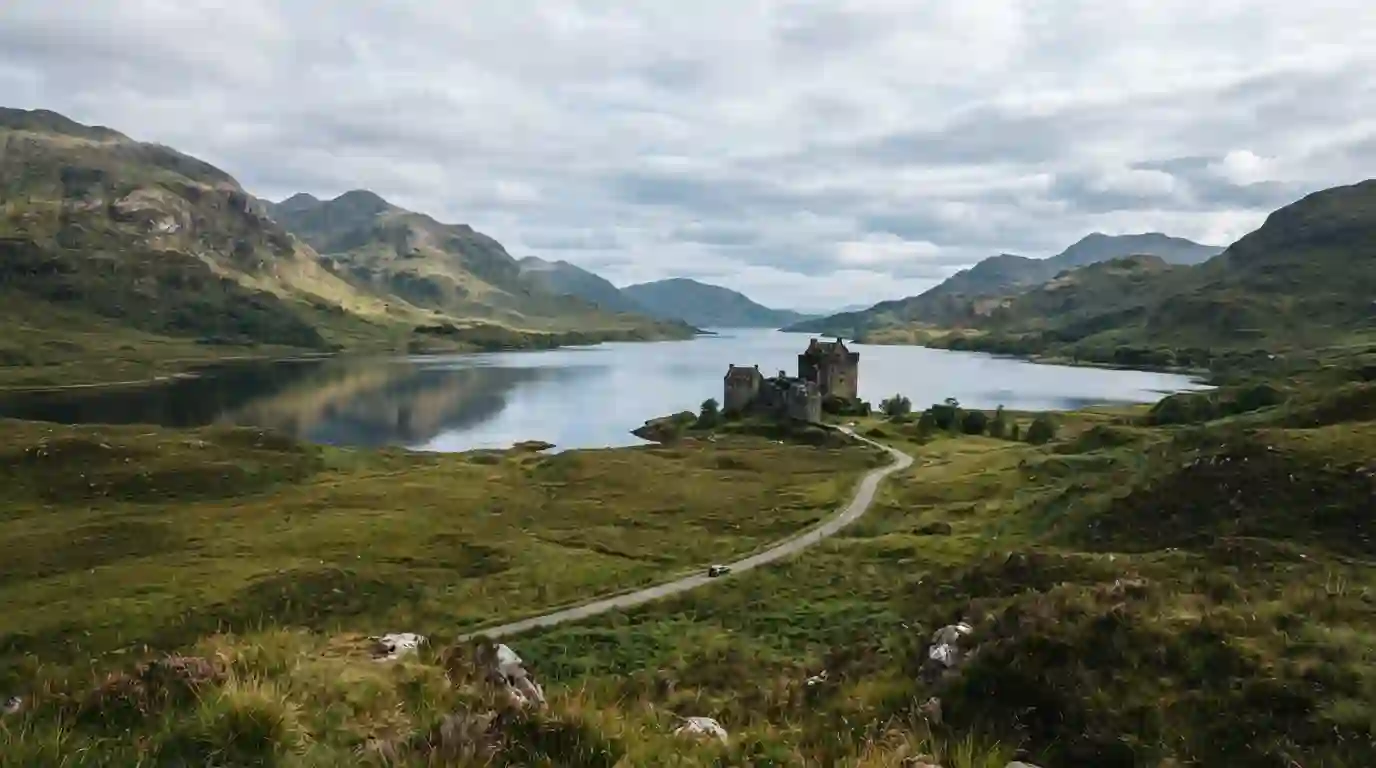
If you are wondering what are the best places to visit in Scotland, the answer depends on what you want from your trip. History lovers may prefer Edinburgh and Stirling, while travelers looking for dramatic scenery may be drawn to the Highlands, Loch Lomond, or Skye. Couples can find romantic coastal and countryside escapes, while families can build an itinerary around castles, museums, outdoor adventures, and memorable road trips.
This guide brings together some of the best destinations to consider, helping you decide where to go based on scenery, history, culture, outdoor experiences, and the type of vacation you want to create.
What Are the Best Places to Visit in Scotland?
For a first trip, some of the strongest choices include Edinburgh, Glasgow, the Scottish Highlands, the Isle of Skye, Loch Lomond, Loch Ness, Stirling, St Andrews, and the northern islands. Each destination offers a different side of Scotland, so combining several regions can create a much more rewarding experience than staying in one location.
Here are some of the destinations worth considering:
- Edinburgh
- Glasgow
- The Scottish Highlands
- Isle of Skye
- Loch Lomond
- Loch Ness
- Stirling
- St Andrews
- Glencoe
- Orkney
- Shetland
- Scottish Borders
- Perthshire
- Oban and the west coast
- Cairngorms
1. Edinburgh
Edinburgh is one of the easiest places to recommend to first-time visitors. Scotland’s capital combines medieval architecture, historic landmarks, museums, viewpoints, restaurants, and atmospheric neighborhoods within a relatively compact city.
The Old Town is particularly memorable, with the Royal Mile connecting major historic sights and narrow closes leading into quieter corners. Edinburgh Castle dominates the skyline from Castle Rock, while Arthur’s Seat provides one of the city’s best opportunities for panoramic views.
Travelers interested in culture can spend time around the National Museum of Scotland, galleries, gardens, and historic streets. The city also becomes especially lively during its major summer festival season.
Edinburgh works well as the starting point for a wider Scottish journey because it provides convenient access to other parts of the country. If you enjoy city breaks, it can also stand alone as a destination for several days.
2. Glasgow
Glasgow offers a different atmosphere from Edinburgh. It is energetic, creative, friendly, and particularly appealing to visitors interested in music, art, architecture, shopping, and food.
The city has impressive Victorian architecture alongside modern cultural attractions. Museums and galleries provide plenty to explore during the day, while live music venues and restaurants make the city especially appealing after dark.
Glasgow is also useful as a base for exploring western Scotland. Its location makes destinations such as Loch Lomond relatively accessible, allowing travelers to combine urban experiences with outdoor scenery.
If your itinerary includes both major Scottish cities, you can easily create a contrast between Edinburgh’s historic character and Glasgow’s modern cultural energy.
3. The Scottish Highlands
The Scottish Highlands are among the biggest reasons travelers dream about visiting Scotland. The region is known for rugged mountains, sweeping glens, dark lochs, remote roads, historic castles, and landscapes that seem almost untouched.
The Highlands are not one single attraction. They cover a large area, and different parts offer very different experiences. Some travelers focus on Glencoe and Fort William, while others travel farther north toward Inverness, the North Coast, or the remote northwest.
Outdoor enthusiasts can hike mountain trails, explore valleys, photograph wildlife, and discover scenic viewpoints. History enthusiasts can also find castles, battlefields, and stories connected to Scotland’s clans and past.
If you want a deeper look at the region, planning your trip around a dedicated Highlands itinerary can make the experience much easier. The Highlands are large enough that trying to cover everything in a short trip can leave you spending more time driving than exploring.
4. Isle of Skye
The Isle of Skye is one of Scotland’s most spectacular destinations for travelers who prioritize scenery. The island is famous for dramatic mountains, rocky landscapes, coastal viewpoints, waterfalls, and distinctive geological formations.
Some of the most recognizable landscapes include the Old Man of Storr, the Quiraing, the Cuillin mountains, and the Fairy Pools. Portree provides a convenient base for many visitors and adds a colorful harbor setting to the experience.
Skye is particularly rewarding for photographers and hikers. Weather can change quickly, however, so travelers should allow flexibility when planning outdoor activities.
Do not make the mistake of treating Skye as a quick stop if you want to explore its major sights. Spending at least a couple of days on the island gives you considerably more opportunity to experience its landscapes without rushing from one viewpoint to another.
If you enjoy finding less crowded destinations, you may also want to compare Skye with some of the most peaceful places to visit in the world.
5. Loch Lomond
Loch Lomond is an excellent choice for travelers who want beautiful scenery without venturing too far from Scotland’s major urban areas. It sits within Loch Lomond & The Trossachs National Park and provides opportunities for walking, boating, sightseeing, photography, and relaxing by the water.
The landscape changes considerably around the loch. Southern areas are easier to reach, while northern sections become increasingly mountainous and dramatic.
Outdoor travelers can choose from walks of different difficulty levels, while visitors looking for a slower experience can explore lakeside villages and enjoy scenic drives.
Loch Lomond also works particularly well as part of a wider road trip through western Scotland. Travelers continuing toward Glencoe or Fort William can naturally incorporate the area into their route.
6. Loch Ness
Loch Ness is one of Scotland’s most recognizable destinations, largely because of the legendary Loch Ness Monster. But there is more to the area than the famous story.
The long freshwater loch is surrounded by Highland scenery and historic sites. Urquhart Castle is one of the area’s most memorable attractions, offering dramatic views across the water and a fascinating connection to Scotland’s past.
Inverness is a useful base for exploring Loch Ness and surrounding Highland destinations. Visitors can also enjoy boat trips, scenic drives, walking routes, and nearby historic attractions.
For travelers who enjoy combining famous attractions with scenic exploration, Loch Ness can fit naturally into a Highlands itinerary rather than being treated as an isolated stop.
7. Stirling
Stirling is one of the best destinations in Scotland for understanding the country’s history. Its strategic location played an important role in Scotland’s medieval and political history.
Stirling Castle is the obvious highlight, sitting above the city with views across the surrounding countryside. The city also provides access to historic sites associated with major events and figures in Scottish history.
Stirling is especially convenient for visitors traveling between Edinburgh and the Highlands. That makes it an excellent addition to a road trip or rail-based itinerary.
History lovers can spend a full day exploring Stirling before continuing toward the Highlands, while visitors with more time can use it as a base for exploring central Scotland.
8. St Andrews
St Andrews is internationally associated with golf, but the town offers considerably more than famous fairways. Its historic university, coastal setting, ruins, and traditional streets make it a rewarding destination for visitors who want a slower Scottish experience.
The town is located on the east coast of Fife and can work well as a day trip from Edinburgh. Golf enthusiasts can build a longer stay around the area’s famous courses, while other travelers can explore the historic center and coastline.
Its combination of history, coastal scenery, and sporting heritage gives St Andrews a personality that differs from Scotland’s larger cities and Highland destinations.
9. Glencoe
Glencoe is one of the most visually striking places in the Scottish Highlands. The valley is surrounded by dramatic mountains and has become one of the country’s most recognizable landscapes.
Driving through Glencoe can be an experience in itself, but travelers who have time should stop and explore the surrounding area. There are walking routes, viewpoints, waterfalls, and opportunities to appreciate the landscape at a slower pace.
The area also has an important and tragic place in Scottish history because of the Glencoe Massacre of 1692. Understanding that history adds another layer to what might otherwise appear to be simply a beautiful Highland landscape.
Glencoe is particularly easy to combine with Fort William, Loch Lomond, and the Isle of Skye, making it one of the strongest stops on a western Scotland road trip.
10. Orkney
For travelers looking beyond mainland Scotland, Orkney offers an entirely different experience. The islands are known for ancient archaeological sites, coastal scenery, wildlife, beaches, and a distinctive cultural heritage.
Orkney is particularly appealing to travelers who enjoy history and archaeology. Ancient settlements and stone structures provide a remarkable connection to prehistoric Scotland.
The islands also reward visitors who enjoy quiet landscapes and coastal exploration. Because reaching Orkney requires additional travel planning, it is better suited to a longer itinerary than a very short Scottish break.
If your goal is to experience a quieter side of Scotland away from its best-known mainland destinations, Orkney deserves serious consideration.
11. Shetland
Shetland is another excellent choice for travelers who want remote landscapes and a strong island identity. Located much farther north than most visitors initially realize, Shetland combines rugged coastline, wildlife, archaeological sites, and distinctive local culture.
The islands are particularly appealing to photographers, nature lovers, birdwatchers, and travelers who prefer destinations that feel genuinely remote.
Because of its location, Shetland requires more time and planning than Edinburgh, Glasgow, or the central Highlands. However, that extra effort is part of what makes the experience special.
12. The Scottish Borders
The Scottish Borders are a strong option for visitors interested in historic houses, abbeys, countryside, and quieter towns. The region is close enough to Edinburgh to work as a day trip but offers enough attractions for a longer countryside break.
Historic abbeys and castles provide opportunities to explore Scotland’s past, while walking routes and rural landscapes offer a slower alternative to the country’s busiest tourist destinations.
The Borders can be especially attractive for travelers who want to add a few peaceful days to an itinerary centered around Edinburgh.
13. Perthshire
Perthshire is known for forests, rivers, mountains, historic towns, castles, and beautiful countryside. It is a particularly appealing area for travelers who want outdoor activities without committing to the more remote parts of the Highlands.
The region changes dramatically with the seasons. Autumn can bring vibrant woodland colors, while spring and summer create excellent conditions for walking and exploring the countryside.
Perthshire can also work well as a transition between central Scotland and the Highlands, giving travelers another opportunity to slow down and enjoy the scenery.
14. Oban and Scotland’s West Coast
Oban is a small coastal town that serves as an important gateway to several western islands. Its waterfront setting, seafood, harbor, and access to island trips make it a useful stop on a west coast itinerary.
Travelers can use Oban as a starting point for exploring nearby islands or simply enjoy the town as a relaxed coastal destination. The surrounding area offers a mixture of beaches, historic sites, coastal scenery, and scenic drives.
For visitors planning to explore the Inner Hebrides, Oban can provide a practical and enjoyable base before continuing farther west.
15. Cairngorms
Cairngorms National Park is one of Scotland’s best destinations for outdoor adventures. The region offers mountains, forests, lochs, wildlife, walking routes, and winter activities.
Summer visitors can explore trails and scenic roads, while winter brings opportunities for snow sports in suitable conditions. The area’s varied landscapes also make it appealing to photographers and nature lovers.
The Cairngorms can be combined with destinations around Perthshire, Speyside, and Inverness, making the region particularly useful for travelers building a northern Scotland itinerary.
Best Places to Visit in Scotland by Travel Style
Best for First-Time Visitors
If this is your first trip, Edinburgh, the Highlands, Glencoe, Loch Ness, and the Isle of Skye provide an excellent introduction to Scotland. This combination gives you historic cities, mountain scenery, famous lochs, castles, and island landscapes.
Best for Families
Families may prefer Edinburgh, Glasgow, Loch Lomond, Stirling, and the Highlands. These destinations offer museums, castles, outdoor activities, scenic attractions, and experiences that can appeal to different age groups.
Travelers planning family trips can also explore ideas such as top places to visit in Florida with family for comparison when considering other family-friendly vacation destinations.
Best for Couples
Couples can choose from romantic destinations throughout Scotland. The Isle of Skye, Glencoe, Loch Lomond, the Scottish Highlands, and the west coast are particularly appealing for scenic drives, peaceful walks, dramatic sunsets, and quiet countryside stays.
If you are comparing international romantic destinations, you may also find inspiration from our guides to places to visit in summer for couples and best places to visit in San Diego for adults.
Best for Nature Lovers
The Highlands, Cairngorms, Isle of Skye, Loch Lomond, Orkney, and Shetland are excellent choices for nature-focused trips. Each provides a different combination of mountains, coastlines, forests, islands, wildlife, or open countryside.
Scotland can also be compared with destinations highlighted in our guide to the best nature places to visit in Ontario and the best places for seeing nature.
Best for History Lovers
Edinburgh, Stirling, St Andrews, Orkney, the Scottish Borders, and the Highlands are strong choices for travelers interested in history. Scotland’s historic attractions range from medieval castles and abbeys to prehistoric archaeological sites.
How Many Days Do You Need in Scotland?
The ideal length of a Scotland trip depends on how much ground you want to cover.
- 3–4 days: Focus on Edinburgh with a short day trip or nearby excursion.
- 5–7 days: Combine Edinburgh with Stirling, Loch Lomond, Glencoe, or part of the Highlands.
- 8–10 days: Add the Isle of Skye and Loch Ness for a more complete first-time itinerary.
- 10–14 days: Consider adding Cairngorms, the west coast, Orkney, or additional Highland destinations.
One of the biggest mistakes travelers make is trying to visit too many distant destinations in a short period. Scotland may look compact on a map, but winding roads, single-track routes, ferries, weather, and sightseeing stops can make journeys take longer than expected.
Best Time to Visit Scotland
Scotland can be visited throughout the year, but the best season depends on your priorities.
Spring can be a good choice for travelers looking for improving weather, longer days, and fresh countryside scenery. Summer provides long daylight hours and is popular for hiking, road trips, and island travel, although some destinations can become busy.
Autumn is attractive for woodland colors, quieter travel, and atmospheric landscapes. Winter offers shorter days and colder conditions but can be rewarding for travelers interested in dramatic mountain scenery, winter activities, and quieter cities.
If you are considering other seasonal destinations, explore our guides to the best places to visit in fall in the US, the best places to visit in the USA during winter, and top places to visit in spring.
Tips for Planning a Scotland Trip
Do Not Pack Too Many Destinations Into One Day
Scotland rewards slow travel. Instead of trying to photograph every famous viewpoint in one day, choose a manageable route and leave time for unexpected stops.
Consider Renting a Car for Remote Areas
A car can provide much greater flexibility in the Highlands, Skye, and other rural regions. However, drivers should be comfortable with narrow roads and single-track routes where passing places may be required.
Book Popular Accommodation Early
Popular destinations can become busy during peak travel periods. Booking accommodation ahead of time is particularly useful for the Isle of Skye, Highlands, and major Scottish cities.
Allow Extra Time for Weather
Scottish weather can change quickly, especially in mountainous and coastal areas. Flexible plans make it easier to adjust hiking, sightseeing, and driving plans when conditions change.
Mix Cities With Nature
A Scotland itinerary becomes more varied when you combine urban destinations with rural landscapes. Edinburgh or Glasgow can provide culture and history before you head toward the Highlands, islands, or countryside.
Scotland Road Trip Ideas
A road trip is one of the best ways to experience the variety of Scotland. A classic first-time route might begin in Edinburgh, continue toward Stirling and Loch Lomond, travel through Glencoe, reach Fort William, and then continue toward the Isle of Skye and Loch Ness.
Another option is to focus on northern Scotland and combine Inverness with the Cairngorms, northern Highlands, and a section of the North Coast 500.
Travelers with more time can extend a western route toward Oban and the Inner Hebrides or add the Scottish Borders to a southern itinerary.
If you enjoy road-trip destinations elsewhere, our guide to the top places to visit on the Oregon Coast offers another example of how coastal scenery can shape a driving itinerary.
What Makes Scotland Worth Visiting?
Scotland stands out because its attractions are not limited to one type of traveler. You can spend a morning exploring a historic castle, drive through a dramatic mountain valley in the afternoon, and finish the day beside a quiet loch or coastal village.
The country also offers remarkable variety within relatively manageable distances. Edinburgh provides history and culture, Glasgow offers music and urban energy, the Highlands deliver dramatic scenery, Skye provides extraordinary landscapes, and the islands introduce a quieter side of Scottish life.
That variety is why Scotland works equally well for short city breaks, family vacations, romantic getaways, outdoor adventures, and longer road trips.
Final Thoughts
So, what are the best places to visit in Scotland? There is no single answer, but Edinburgh, Glasgow, the Scottish Highlands, Isle of Skye, Loch Lomond, Loch Ness, Stirling, St Andrews, Glencoe, Cairngorms, Orkney, Shetland, Perthshire, the Scottish Borders, and Oban all offer compelling reasons to visit.
For a first trip, start with Edinburgh and then head into the Highlands. If scenery is your priority, add Glencoe, Loch Lomond, and Skye. If history matters most, give Edinburgh, Stirling, St Andrews, and the Borders more time. And if you have two weeks or more, consider going beyond the classic route to experience Scotland’s islands and northern landscapes.
The key is not trying to see everything. Choose destinations that match your interests, build realistic travel times into your itinerary, and leave enough space to enjoy the landscapes rather than simply passing through them.