
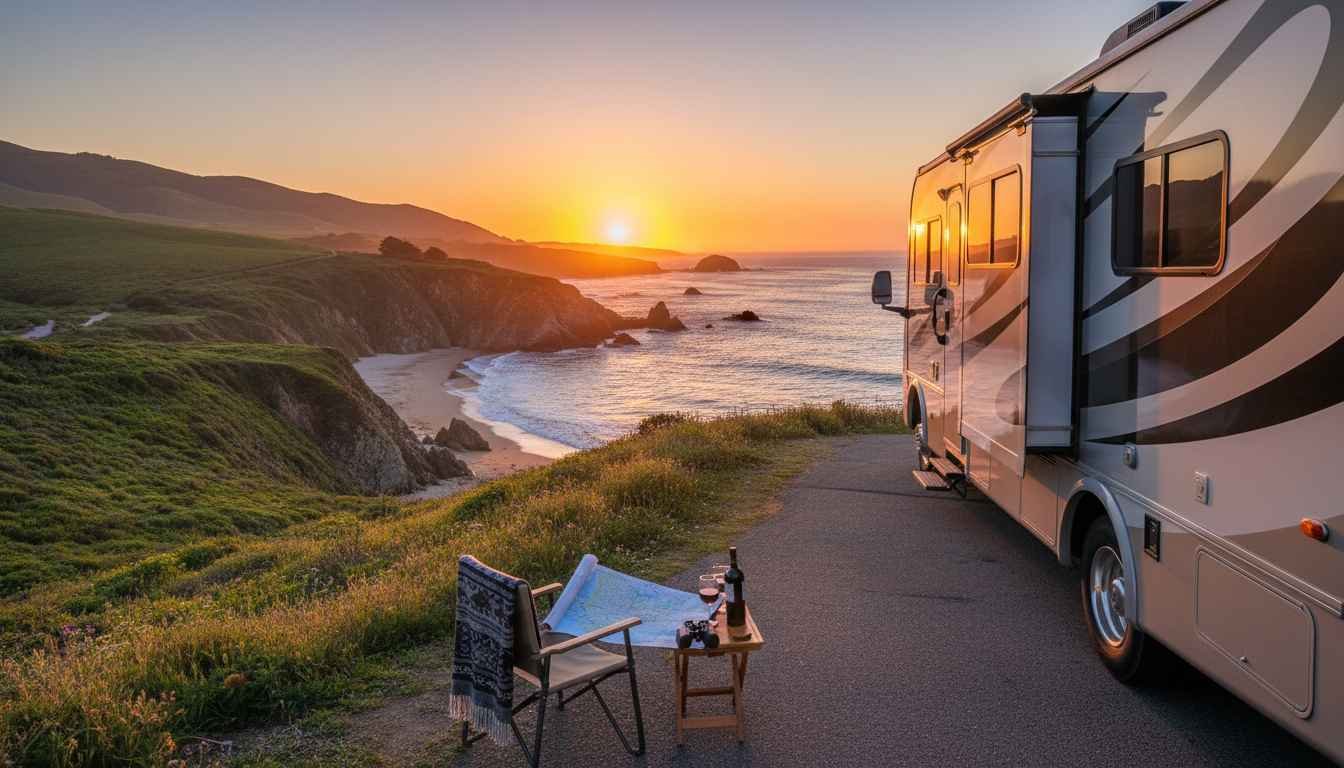
The best places to visit in California in an RV combine memorable scenery with practical access, suitable campgrounds, nearby services, and routes that make sense for the size of your rig. From Yosemite and Sequoia country to the Pacific Coast and Southern California, there are options for both short getaways and extended road trips.
This guide highlights some of the strongest California RV destinations and explains what makes each one worth considering, when to visit, and what RV travelers should keep in mind before arriving.
1. Yosemite National Park
Yosemite is an obvious starting point for an RV trip through California. Granite cliffs, waterfalls, giant trees, mountain meadows, and dramatic viewpoints make the park one of the state’s most rewarding destinations.
RV travelers should plan carefully because campground availability can be limited and some roads and parking areas are not ideal for larger rigs. Staying at a suitable campground and using shuttle transportation where available can make the experience much easier.
Yosemite is especially appealing for travelers who want hiking, photography, scenic drives, wildlife viewing, and classic California mountain scenery in one destination.
2. Sequoia and Kings Canyon National Parks
For an RV trip focused on enormous trees and mountain landscapes, Sequoia and Kings Canyon are excellent choices. The giant sequoias create an experience that is difficult to duplicate anywhere else.
RV travelers should pay close attention to road restrictions and campground limitations before entering the parks. Some roads are narrow or winding, and certain areas are unsuitable for larger RVs.
The parks work particularly well as part of a Sierra Nevada road trip that also includes Yosemite and other mountain destinations.
3. Big Sur and the Central Coast
Big Sur is one of California’s most spectacular coastal regions, with rugged cliffs, ocean viewpoints, forests, and winding roads along the Pacific. It is a natural highlight for travelers who want scenery rather than a traditional city vacation.
However, Big Sur requires more RV planning than many other California destinations. Large motorhomes and trailers should check current road conditions and vehicle restrictions before attempting challenging sections of the coastal route.
Instead of rushing through the area, consider using a suitable base nearby and exploring the coast with a smaller vehicle when practical. The nearby places near 17-Mile Drive can also complement a Central Coast itinerary.
4. Monterey
Monterey is an excellent RV-friendly stop for travelers exploring California’s Central Coast. Its combination of coastal scenery, marine attractions, restaurants, historic areas, and access to nearby communities makes it easy to build several days around the area.
It also provides a useful transition between the Bay Area and Big Sur. Travelers can use Monterey as a resupply point before continuing south or north.
If you enjoy scenic coastal travel, adding nearby destinations to your itinerary can make the Central Coast portion of an RV trip much more rewarding.
5. Santa Cruz
Santa Cruz brings a more relaxed beach-town atmosphere to an RV itinerary. The coastline, boardwalk, beaches, redwood surroundings, and casual outdoor activities make it suitable for couples, families, and groups.
Its location also makes it convenient for travelers moving between Northern California and the Monterey area. Rather than treating Santa Cruz as only a quick stop, RV travelers can use it as a base for exploring the surrounding coast.
6. Redwood National and State Parks
Northern California’s redwood country should be high on the list for RV travelers who want a completely different landscape from Yosemite or the Southern California desert.
The towering redwoods create a cool, peaceful environment that is ideal for scenic drives, hiking, photography, and slow-paced exploration. The broader region also offers coastal viewpoints and small communities where travelers can restock supplies.
Because some roads and campgrounds have vehicle-size limitations, check campground requirements before arriving with a large RV.
7. Lake Tahoe
Lake Tahoe combines mountain scenery with a spectacular alpine lake, making it a strong option for RV travelers who enjoy outdoor recreation. Depending on the season, visitors can hike, cycle, kayak, sightsee, or enjoy winter activities.
South Lake Tahoe can be especially useful as an RV base because travelers can access restaurants, shopping, services, and outdoor attractions without feeling completely isolated.
Tahoe can also fit naturally into a broader Northern California or Sierra road trip rather than being treated as a standalone destination.
8. Joshua Tree National Park
Joshua Tree offers a dramatic contrast to California’s forests and coastline. Twisted Joshua trees, enormous boulder formations, desert landscapes, and dark night skies create an excellent setting for an RV adventure.
The cooler months are generally more comfortable for exploring the desert, while summer heat can make outdoor activities considerably more difficult.
Campground availability can also become competitive during popular periods, so RV travelers should plan ahead rather than assuming a campsite will always be available.
Joshua Tree is particularly appealing for photographers, hikers, stargazers, and travelers who want a memorable desert experience.
9. Death Valley National Park
Death Valley is another destination where California’s geographic diversity becomes obvious. Vast desert landscapes, unusual geological formations, salt flats, mountains, and dramatic viewpoints make it an unforgettable road-trip stop.
For RV travelers, timing is critical. Extreme summer temperatures can create serious challenges for both people and vehicles, so cooler periods are generally more suitable for sightseeing.
Carry sufficient water and supplies, understand the distances between services, and avoid treating the park like an ordinary urban road trip.
10. San Diego
San Diego is one of the best choices for RV travelers who want to finish a California road trip near the Pacific Ocean. The region offers beaches, parks, waterfront attractions, neighborhoods, restaurants, and easy access to Southern California experiences.
If you’re building a larger Southern California itinerary, explore our guide to places to visit in San Diego for additional ideas.
Travelers interested in a more mature evening itinerary can also consider places to visit in San Diego for adults when planning activities away from traditional family attractions.
11. Orange County
Orange County is another useful stop for an RV trip through Southern California. Coastal communities, beaches, shopping districts, restaurants, and attractions give travelers plenty of options for a multi-day stay.
Parking and campground logistics are important in heavily developed coastal areas, so it is usually smarter to select an RV campground first and then explore surrounding attractions rather than trying to navigate every coastal neighborhood with a large rig.
Our guide to places to visit near Orange County can help expand this part of the itinerary.
12. Palm Springs and the Coachella Valley
Palm Springs and the surrounding Coachella Valley provide a completely different Southern California experience. Desert scenery, warm-weather attractions, mountain views, resorts, restaurants, and nearby outdoor destinations make this region particularly attractive during cooler months.
It is also a convenient place to add a few relaxed days to an RV itinerary after visiting Joshua Tree. Travelers can use the area to rest, resupply, and enjoy a more developed environment before continuing their journey.
13. Southern California in Winter
Winter can be an excellent time for an RV trip through Southern California because many desert and coastal destinations are more comfortable than they are during peak summer heat.
Before planning your route, consider adding our guide to places to visit in Southern California during winter. It can help you build a broader itinerary around destinations that work well during the cooler season.
Winter travel also gives RVers an opportunity to explore beaches and desert landscapes without the same heat experienced during the middle of summer.
14. Northern California Coast
The Northern California coast is ideal for travelers who prefer quiet roads, dramatic ocean views, forests, and smaller communities. The experience is slower and less urban than Southern California, which makes it particularly appealing for a long RV journey.
Plan extra driving time because coastal roads can be winding and weather conditions can change quickly. The reward is a landscape filled with rugged beaches, forested hills, scenic overlooks, and memorable roadside stops.
15. California’s Scenic Road-Trip Corridors
One of the biggest advantages of exploring California in an RV is that the journey itself can be part of the destination. Instead of choosing a single park, travelers can connect several regions into one carefully planned route.
A coastal itinerary might connect San Diego, Orange County, Los Angeles-area destinations, Santa Barbara, Monterey, Big Sur, and Northern California. A mountain-focused route can connect Yosemite, Sequoia, Kings Canyon, and Lake Tahoe.
For travelers who want broader trip-planning inspiration, our traveling tips guide provides additional ideas for organizing a longer journey.
How to Choose the Best California RV Destination
The best destination depends heavily on your RV size, travel season, preferred activities, and how much driving you want to do.
For first-time California RV travelers
Yosemite, San Diego, Monterey, and the Central Coast are strong starting points because they combine famous attractions with plenty of activities outside the campground.
For nature and hiking
Yosemite, Sequoia, Kings Canyon, Redwood country, Joshua Tree, and Lake Tahoe provide very different outdoor experiences.
For beaches and coastal scenery
Big Sur, Monterey, Santa Cruz, Orange County, and San Diego are strong choices for travelers who want to spend more time near the Pacific.
For desert landscapes
Joshua Tree, Death Valley, and the Coachella Valley provide some of California’s most distinctive desert scenery.
For winter RV travel
Southern California and the desert regions are generally more attractive during the cooler months than high-elevation mountain destinations, which can experience snow and seasonal road closures.
Important RV Planning Tips for California
1. Check your RV’s dimensions
Do not assume every scenic road is suitable for every RV. Length, height, width, turning radius, grades, and road restrictions can all affect whether a route is practical.
2. Reserve popular campgrounds early
California’s most popular destinations can become difficult to book during peak travel periods. Yosemite, coastal campgrounds, Joshua Tree, and other major attractions deserve advance planning.
3. Keep a backup campground
Having a second or third option can save an RV trip when the preferred campground is full, weather affects a route, or travel plans change.
4. Plan around the season
California does not have one universal RV season. Mountain destinations are strongly influenced by snow, coastal areas can experience fog or rain, and desert destinations become extremely hot during summer.
5. Separate campground planning from sightseeing
A campground that looks close to an attraction on a map may not be convenient for a large RV. Consider road access, parking, local transportation, and the ability to leave the RV at the campground while sightseeing.
6. Carry essential supplies
Water, food, fuel, emergency equipment, navigation tools, and basic vehicle supplies are especially important when traveling through remote mountain and desert regions.
7. Give yourself extra driving time
California distances can be deceptive. Mountain roads, coastal curves, traffic, construction, and sightseeing stops can turn a seemingly short drive into a full travel day.
Best Time to Take an RV Trip Through California
The ideal season depends on the route.
Spring: A strong choice for coastal travel, desert destinations, and lower-elevation areas. Mountain access can still be affected by snow.
Summer: Excellent for many Sierra Nevada destinations, including Yosemite and Lake Tahoe, although reservations and crowds can be significant.
Fall: One of the most versatile seasons for an extended California road trip, particularly for coastal and mountain routes.
Winter: Southern California and desert destinations can be excellent, while higher mountain areas may require snow planning and seasonal road checks.
How to Build a California RV Road Trip
A practical California RV itinerary should group destinations geographically instead of jumping randomly across the state.
For example, a Southern California route could begin in San Diego, continue through Orange County, move toward the Central Coast, and then head north. A mountain itinerary could focus on Yosemite, Sequoia, Kings Canyon, and Lake Tahoe.
Travelers looking for additional destination ideas can also explore our best places to visit with friends guide and our collection of coolest places to visit around the world.
If you’re planning travel specifically around the United States, our guide to the best places to visit in the USA during winter can provide additional seasonal inspiration.
Other Destinations to Add to a Longer RV Journey
California works particularly well as part of a larger Western U.S. road trip. Travelers continuing east or north can connect their California route with destinations in neighboring states.
For example, travelers heading north may eventually connect with the Oregon Coast, while travelers building a wider national itinerary can explore other regional guides such as places to visit in Texas.
Those extending their journey toward the Northeast can also use our guide to must-visit places in Upstate New York for future trip inspiration.
Final Thoughts
The best places to visit in California in an RV are not limited to one type of landscape. Yosemite delivers dramatic mountain scenery, Sequoia provides enormous trees, Big Sur offers rugged coastline, Joshua Tree delivers desert adventure, and San Diego and Orange County bring beaches and urban attractions into the journey.
The key is to match the destination with your RV’s size, your travel season, and the amount of driving you are comfortable doing. Research campground availability, check road restrictions, plan fuel and supply stops, and leave enough flexibility for unexpected changes.
With thoughtful planning, a California RV trip can become much more than a drive between attractions. It can be a complete road-trip experience that combines national parks, scenic highways, beaches, forests, mountains, deserts, and unforgettable stops along the way.