
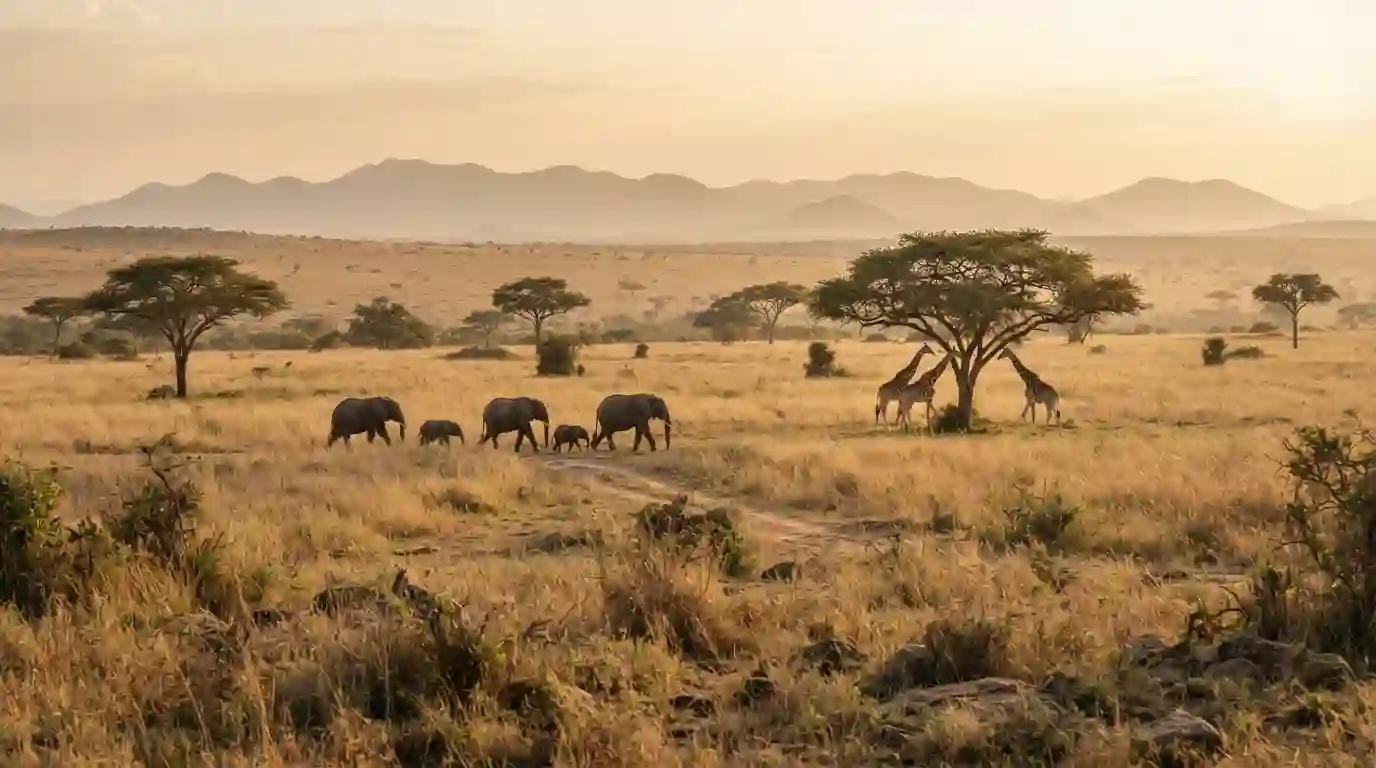
Looking for the best places to visit in Sub-Saharan Africa? This vast and diverse part of the continent offers an extraordinary mix of wildlife, dramatic landscapes, vibrant cultures, historic sites, tropical beaches, mountains, deserts, and unforgettable outdoor experiences.
This guide explores some of the most compelling destinations across the region and explains what makes each one worth considering.
What Makes Sub-Saharan Africa Worth Visiting?
Sub-Saharan Africa is not a single type of destination. The region covers a huge geographic area with dramatically different environments and cultures. Travelers can move from mountain landscapes and open grasslands to rainforests, coastal cities, islands, and desert environments.
One of the biggest attractions is the opportunity to experience wildlife in natural settings. Safari destinations provide chances to see elephants, lions, giraffes, zebras, hippos, rhinos, and many other species. Beyond wildlife, travelers can discover local food, music, traditions, historic communities, and distinctive regional cultures.
If you enjoy nature-focused travel, you may also want to explore PathVoice’s guide to the best nature places to visit in Ontario for another perspective on scenic outdoor destinations.
1. Cape Town, South Africa
Cape Town is one of the most visually striking cities in Africa. Set between mountains and the Atlantic Ocean, the city combines dramatic scenery with beaches, cultural attractions, restaurants, neighborhoods, and outdoor activities.
Table Mountain is one of the city’s defining landmarks, while the Cape Peninsula provides opportunities to explore coastal scenery and viewpoints. Visitors can also explore nearby wine regions and historic areas as part of a broader South African itinerary.
South Africa offers much more beyond Cape Town, particularly for travelers interested in wildlife. If safari experiences are high on your list, the country’s national parks and private reserves make it one of the region’s most appealing destinations.
For additional inspiration, check out this broader guide to tourist places to visit in South Africa.
2. Kruger National Park, South Africa
Kruger National Park is one of Southern Africa’s most recognized safari destinations. Its large landscapes support a wide range of wildlife and offer travelers opportunities to experience African bush environments.
A safari in Kruger can be very different from a city-based vacation. Early morning game drives, open landscapes, wildlife sightings, and quiet evenings create an experience centered on nature rather than urban attractions.
Travelers should allow enough time to enjoy the park rather than attempting to rush through it. The best safari experience often comes from patience, careful observation, and spending multiple days in the area.
3. Serengeti, Tanzania
Tanzania’s Serengeti is one of the world’s most famous wildlife destinations. Its enormous grassland ecosystem is associated with spectacular wildlife viewing and the annual movements of large herds.
The Serengeti appeals particularly to travelers who want a classic safari experience. Open plains provide a dramatic backdrop for wildlife, while different areas of the ecosystem can offer distinct scenery and viewing opportunities.
A trip here is especially appealing for photographers, wildlife enthusiasts, couples, and travelers looking for an immersive nature experience.
4. Maasai Mara, Kenya
The Maasai Mara is another standout destination for safari travelers. Located in southwestern Kenya, the reserve is known for its abundant wildlife and expansive grassland landscapes.
Visitors may encounter lions, elephants, cheetahs, giraffes, zebras, and numerous other animals. The landscape also provides a strong cultural dimension, particularly for travelers interested in learning more about Maasai communities and traditions.
Combining Kenya with other East African destinations can create a more comprehensive itinerary for travelers who want to experience multiple ecosystems.
5. Okavango Delta, Botswana
The Okavango Delta offers a very different safari environment from the open plains of Kenya and Tanzania. Its waterways, wetlands, islands, and seasonal landscapes create a distinctive setting for wildlife exploration.
Depending on the location and conditions, visitors may explore the delta by traditional canoe-style boats, guided drives, or walking experiences. The combination of water and wildlife makes the Okavango Delta particularly attractive to travelers seeking something beyond a conventional safari.
It is also a strong choice for nature photographers because the scenery changes dramatically across different parts of the delta.
6. Namibia’s Desert Landscapes
Namibia is ideal for travelers who want dramatic landscapes alongside wildlife. The country’s desert environments, towering dunes, rugged coastlines, and wide-open spaces create a visual experience unlike many other destinations in Sub-Saharan Africa.
Sossusvlei is particularly famous for its striking desert scenery, while other parts of Namibia offer opportunities to explore wildlife and remote landscapes.
Namibia works well for road-trip travelers and photographers who enjoy destinations where the landscape itself is a major attraction.
7. Victoria Falls, Zambia and Zimbabwe
Victoria Falls is one of the region’s most spectacular natural attractions. The enormous waterfall on the Zambezi River provides an impressive combination of water, cliffs, rainforest, and viewpoints.
The surrounding area also offers opportunities for adventure activities and wildlife experiences. Travelers can combine a visit to the falls with safari destinations in neighboring areas to create a varied Southern African itinerary.
For travelers who enjoy spectacular natural scenery, this is one destination that can easily become a highlight of a larger African journey.
8. Zanzibar, Tanzania
Zanzibar offers a different side of Sub-Saharan Africa, combining tropical beaches with history and culture. The island is particularly appealing to travelers who want to balance an adventurous safari with time near the Indian Ocean.
Stone Town provides historic streets, markets, architecture, and cultural experiences, while coastal areas offer opportunities for relaxation and water-based activities.
Zanzibar can work especially well as an extension to a Tanzania safari, giving travelers the chance to combine wildlife and beach experiences in one trip.
9. Madagascar
Madagascar stands apart from many other African destinations because of its unusual ecosystems and remarkable biodiversity. The island is home to wildlife and plant species that cannot be experienced in the same way elsewhere.
Travelers can discover rainforests, unusual rock formations, coastal scenery, and distinctive local communities. Madagascar is particularly appealing to adventurous travelers who want to move beyond traditional safari destinations.
Because the island is geographically diverse, planning the itinerary carefully is important. Different regions provide very different experiences.
10. Dakar and Gorée Island, Senegal
Senegal offers travelers an opportunity to explore West African culture, history, food, music, and coastal life. Dakar provides a lively urban base, while nearby Gorée Island is particularly significant for visitors interested in African and Atlantic history.
Gorée Island’s historic sites provide an opportunity for reflection and education. A visit can add historical depth to an itinerary that otherwise focuses mainly on wildlife and landscapes.
Travelers interested in historically significant destinations can also explore PathVoice’s broader collection of best places to visit in the world.
11. Ghana’s Coast and Cultural Heritage
Ghana is another compelling destination for travelers interested in West African culture and history. Coastal communities, historic forts, markets, music, food, and welcoming cultural experiences make the country particularly interesting for first-time visitors to the region.
Travelers can combine time in Accra with coastal destinations and historically significant sites. Ghana is also a useful choice for visitors who want a cultural trip rather than a safari-centered vacation.
12. Uganda for Wildlife and Mountain Adventures
Uganda offers a combination of wildlife, forests, lakes, mountains, and outdoor adventures. The country’s landscapes provide opportunities to experience African nature from a different perspective.
Travelers interested in primates may find Uganda especially appealing, while national parks provide opportunities for broader wildlife experiences. Mountain and forest environments also make the country attractive to hikers and adventure travelers.
Uganda can be an excellent option for travelers looking for a more varied itinerary that combines wildlife with active exploration.
13. Rwanda and Volcano Landscapes
Rwanda is known for its green hills, mountain landscapes, and carefully managed nature experiences. The country’s volcanic region is particularly appealing to travelers interested in trekking and primate encounters.
Kigali provides a convenient starting point for exploring the country, while rural areas offer a very different atmosphere. Rwanda can be a strong choice for travelers who prefer combining nature, culture, and active experiences.
14. Malawi’s Lake and Mountain Scenery
Malawi is sometimes overlooked when travelers plan an African itinerary, but its combination of lake scenery, mountains, wildlife, and relaxed communities makes it worth considering.
Lake Malawi is a major attraction, providing opportunities for swimming, boating, and relaxing beside the water. Inland areas offer hiking and nature experiences that can complement a lakeside stay.
For travelers seeking quieter destinations away from some of Africa’s busiest tourist routes, Malawi can provide a rewarding alternative.
15. Mozambique’s Indian Ocean Coast
Mozambique is an appealing choice for travelers looking for beaches and Indian Ocean scenery. Its coastline offers tropical landscapes, marine environments, islands, and opportunities for relaxation.
The country can work well as part of a broader Southern African itinerary, particularly for travelers who want to finish an adventure-focused trip with several days near the ocean.
Those planning trips around seasonal conditions may also find it useful to compare different destinations through PathVoice’s guide to the top places to visit in spring.
How to Choose the Best Sub-Saharan African Destination
The best destination depends largely on what you want from the trip. There is no single location that works equally well for every traveler.
For a Classic Safari
Consider destinations such as the Serengeti, Maasai Mara, Kruger National Park, or Botswana’s Okavango Delta. These destinations are particularly suitable for travelers whose main priority is wildlife.
For Beaches
Zanzibar and Mozambique are strong choices for travelers who want tropical coastal scenery. They can also work well as relaxing additions to a longer African adventure.
For Dramatic Landscapes
Namibia, Madagascar, Rwanda, and the Okavango Delta offer very different but equally compelling environments for travelers who prioritize scenery and nature.
For History and Culture
Senegal, Ghana, South Africa, and other destinations across West and Southern Africa provide opportunities to explore history, architecture, food, music, and cultural traditions.
For Adventure
Travelers seeking active experiences can consider mountain trekking, wildlife excursions, water-based activities, hiking, and road trips depending on the destination.
If you enjoy combining destinations based on different travel styles, you may also like PathVoice’s guide to the best places in the world to visit with friends.
Best Time to Visit Sub-Saharan Africa
There is no universal best month for the entire region because Sub-Saharan Africa covers multiple climates and ecosystems. Weather, wildlife activity, road conditions, and local seasons can vary significantly between countries.
Safari destinations often have particular periods when wildlife viewing is easier because animals gather around water sources or vegetation becomes less dense. Coastal destinations can have entirely different seasonal patterns.
Before booking, travelers should evaluate the specific country and region rather than relying on a single continent-wide travel season.
For more seasonal travel inspiration, explore best places to visit in winter and European places to visit in winter to compare how seasonal travel differs around the world.
Planning a Sub-Saharan Africa Trip
A successful trip requires more planning than simply choosing a destination. Distances between attractions can be considerable, and internal transportation options vary by country.
- Choose destinations based on your main travel goal.
- Allow enough time for transportation between regions.
- Research entry requirements before departure.
- Check seasonal weather patterns for each destination.
- Plan safari activities through reputable operators.
- Pack according to the climate and planned activities.
- Leave room for rest between long travel days.
- Respect local communities, cultural practices, and wildlife guidelines.
Travelers planning a broader international adventure can also review these tips for traveling the world before building a multi-country itinerary.
Nature Experiences Beyond Safari
Although safari is one of the biggest reasons travelers visit Sub-Saharan Africa, it should not define the entire region. Mountains, waterfalls, forests, beaches, wetlands, deserts, and islands offer many alternatives.
Travelers who love nature should consider creating an itinerary around landscapes rather than focusing exclusively on wildlife. This approach can reveal a broader side of the continent and make the trip more varied.
For more inspiration, explore PathVoice’s guide to the best places for seeing nature and its collection of the most peaceful places to visit in the world.
Is Sub-Saharan Africa Safe for Travelers?
Safety conditions vary significantly between countries, cities, parks, and regions. Travelers should evaluate their specific destination rather than treating Sub-Saharan Africa as one uniform area.
Use current travel advisories, follow local guidance, choose established transportation and accommodation providers, and take normal precautions with personal belongings and valuables.
Travelers researching destinations across Africa may also find it useful to understand that some areas have different safety considerations from others. PathVoice’s overview of places to consider carefully when traveling in Africa provides additional destination-planning context.
How Many Days Do You Need?
The ideal length depends on the number of countries and regions included. A single-country trip can work well for a week or more, while combining multiple safari areas and coastal destinations usually requires additional time.
Instead of trying to see as much as possible, consider choosing one primary region and adding one or two complementary experiences. For example, a safari followed by a beach stay can provide a balanced trip without creating an exhausting schedule.
Travelers interested in broader destination comparisons can also explore PathVoice’s coolest places to visit in the world for additional itinerary ideas.
Frequently Asked Questions
What are the best places to visit in Sub-Saharan Africa?
Popular choices include Cape Town, Kruger National Park, the Serengeti, Maasai Mara, Okavango Delta, Namibia, Victoria Falls, Zanzibar, Madagascar, Senegal, Ghana, Uganda, Rwanda, Malawi, and Mozambique.
Which Sub-Saharan African destination is best for a first safari?
Kenya, Tanzania, and South Africa are among the most accessible choices for travelers interested in a classic safari experience. The right option depends on budget, timing, wildlife priorities, and preferred travel style.
Is Sub-Saharan Africa good for family travel?
Yes. Many destinations can work well for families, although activities and age requirements vary. Wildlife parks, beaches, cultural attractions, and nature-focused destinations can all offer family-friendly experiences when planned appropriately.
What is the best country for beaches in Sub-Saharan Africa?
Zanzibar and Mozambique are particularly attractive for travelers seeking Indian Ocean beaches. Other coastal destinations across the region can also provide excellent seaside experiences.
Can you combine a safari and beach vacation?
Absolutely. Combining a safari with a coastal destination is one of the best ways to experience different sides of Sub-Saharan Africa during one trip. Tanzania and Zanzibar are a particularly natural combination, while Southern African itineraries can also connect wildlife and coastal experiences.
Final Thoughts
The best places to visit in Sub-Saharan Africa offer far more than a traditional safari. The region combines wildlife, beaches, mountains, deserts, forests, historic sites, cities, and distinctive cultures across an enormous and fascinating geographic area.
For wildlife lovers, the Serengeti, Maasai Mara, Kruger, and Okavango Delta stand out. Travelers focused on landscapes can explore Namibia, Madagascar, Rwanda, or Victoria Falls, while those looking for beaches can consider Zanzibar and Mozambique. Culture and history add another dimension through destinations such as Senegal, Ghana, and South Africa.
The key is to choose destinations around your own interests, allow enough time to travel between them, and build an itinerary that balances exploration with time to enjoy each place. With thoughtful planning, Sub-Saharan Africa can provide one of the most diverse and memorable travel experiences in the world.