
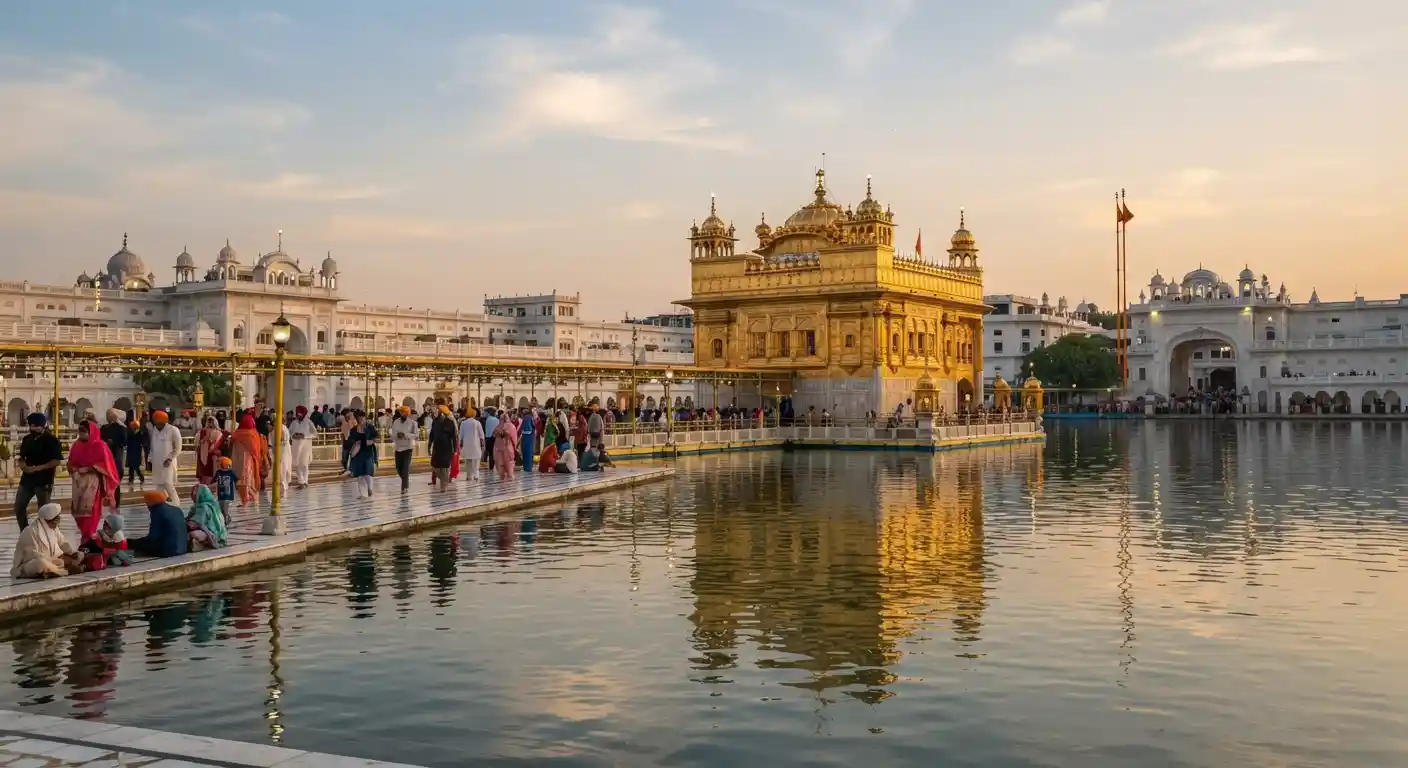
Known officially as Harmandir Sahib and popularly called the Golden Temple, this remarkable complex combines spirituality, architecture, history, hospitality, and community service. Unlike many major attractions that primarily draw seasonal tourists, the Golden Temple receives pilgrims, travelers, families, and visitors throughout the year.
Its appeal also fits naturally into the broader world of traveling the world, where travelers increasingly look beyond conventional attractions to discover places with deep cultural and historical significance.
Is the Golden Temple Really the Most Visited Place in the World?
The phrase “most visited place in the world” should be used carefully because there is no single universally accepted global ranking that measures every attraction and religious destination using exactly the same methodology.
However, the Golden Temple is unquestionably one of the world’s most heavily visited religious and cultural landmarks. Its combination of continuous religious activity, open access, major festivals, pilgrimage traditions, and community services creates an unusually high level of year-round visitation.
This distinction matters. A famous theme park may count ticketed visitors differently from a religious complex where people can enter freely, attend prayers, participate in worship, eat at the communal kitchen, or simply experience the surroundings.
For travelers researching globally significant destinations, the Golden Temple therefore deserves attention not only because of its visitor numbers but also because of the cultural experience it provides.
Where Is the Golden Temple?
The Golden Temple is located in Amritsar, Punjab, India. Amritsar is one of northern India’s best-known cultural and religious cities and has developed a major tourism infrastructure around its historical attractions.
The temple complex is situated in the heart of the city and is easily connected with other important attractions and transportation networks. Its location makes it an important destination for domestic pilgrims as well as international travelers exploring India.
Visitors interested in cultural tourism often combine the Golden Temple with other regional destinations. The experience can be particularly valuable for travelers who enjoy exploring places to visit around the world that offer something beyond conventional sightseeing.
Why Does the Golden Temple Attract So Many Visitors?
The Golden Temple’s enormous visitor appeal is not based on one factor. Several elements work together to make it a destination of exceptional importance.
1. Deep Religious Significance
Harmandir Sahib is the central place of worship for Sikhs around the world. For many Sikh visitors, traveling to the Golden Temple is not simply a vacation experience but an important spiritual journey.
The site’s religious importance creates consistent pilgrimage activity throughout the year. Major religious occasions can increase visitor numbers substantially, while ordinary days continue to attract large crowds.
2. Open and Welcoming Environment
One of the Golden Temple’s defining characteristics is its welcoming approach toward people from different religions, cultures, and nationalities. Visitors do not need to be Sikh to experience the complex.
This openness makes the destination particularly attractive to international travelers interested in understanding Sikh history, Indian culture, architecture, and religious traditions.
3. Extraordinary Architecture
The Golden Temple is visually distinctive. Its central shrine sits within the sacred Amrit Sarovar, creating a striking combination of water, marble pathways, decorative architecture, and the gold-covered upper structure.
The building reflects centuries of artistic development and incorporates architectural influences associated with the cultural environment of the Indian subcontinent.
For travelers interested in visual destinations, the Golden Temple offers a completely different experience from the landscapes featured in guides to the best nature places to visit or other outdoor destinations.
The Golden Temple and Amrit Sarovar
One of the most recognizable features of the complex is the Amrit Sarovar, the sacred pool surrounding the central shrine.
The water creates a reflective setting around the Golden Temple and contributes significantly to the site’s visual identity. Marble walkways surround the pool, allowing visitors and worshippers to move through the complex while observing the religious atmosphere.
The relationship between the shrine, water, surrounding architecture, and devotional activity is one reason photographs of the Golden Temple are so recognizable around the world.
For visitors who enjoy destinations with distinctive scenery, the experience also demonstrates why some of the world’s most memorable journeys are built around cultural environments rather than conventional attractions. Travelers researching peaceful places to visit may find the atmosphere particularly meaningful.
A Brief History of the Golden Temple
The history of the Golden Temple is closely connected with the development of Sikhism and the city of Amritsar.
The sacred site developed during the period of the Sikh Gurus, with the pool and religious complex becoming increasingly important to the Sikh community. The central shrine and surrounding structures evolved over time through construction, reconstruction, restoration, and continued community involvement.
The temple has also experienced periods of conflict and damage throughout its long history. Each period contributed another chapter to the site’s historical significance and its continuing importance to Sikh identity.
Today, the Golden Temple represents both a living religious institution and a major cultural landmark. It is not simply a preserved historical building; it remains an active place of worship.
The Golden Temple’s Famous Golden Exterior
The name “Golden Temple” comes from the gold-covered appearance of the upper portions of the central shrine.
The golden surface creates a dramatic visual effect, particularly when sunlight reflects from the structure or when the illuminated shrine appears against the darker evening sky.
This distinctive appearance has helped make the Golden Temple one of the most recognizable religious landmarks in the world. It also contributes to the destination’s popularity among photographers and travelers looking for memorable cultural experiences.
Langar: The Community Kitchen That Serves Everyone
One of the most important aspects of visiting the Golden Temple is experiencing langar, the Sikh tradition of serving free communal meals.
The Golden Temple complex operates a large-scale community kitchen that serves meals to visitors regardless of their religion, nationality, social position, or economic circumstances.
The principle behind langar is as important as the food itself. People sit together and share a meal, reinforcing ideas of equality, service, dignity, and community.
The enormous scale of this operation is also a fascinating example of volunteer coordination. Food preparation, cooking, serving, cleaning, ingredient management, and other tasks require substantial organization.
For visitors, langar can transform a sightseeing trip into a deeper cultural experience. It demonstrates how a religious institution can combine worship with practical community service.
What Makes Visiting the Golden Temple Different?
Many famous attractions are primarily designed around sightseeing. The Golden Temple operates differently because it remains a functioning place of worship.
Visitors may encounter prayers, devotional music, pilgrims walking around the sacred pool, volunteers serving meals, and people quietly reflecting throughout the complex.
This creates an atmosphere that can feel very different from conventional tourist destinations.
Travelers who enjoy cultural experiences may also compare the Golden Temple with destinations such as the best places to visit in Paris, Japan’s most memorable destinations, or historic areas such as Old Quebec City. Each offers a different understanding of history, culture, and place.
When Is the Best Time to Visit the Golden Temple?
The Golden Temple can be visited throughout the year, but the ideal time depends on what kind of experience a traveler wants.
For More Comfortable Weather
Cooler months are generally more comfortable for exploring Amritsar and spending extended periods outdoors. Winter can provide pleasant conditions for walking through the complex and exploring the surrounding city.
Travelers planning broader winter trips can also explore destinations such as the best places to visit in the USA during winter or European destinations highlighted in guides to the best European places to visit in winter.
For Major Religious Celebrations
Visitors who want to experience major Sikh celebrations may prefer periods associated with important religious occasions. These times can be especially vibrant, but they can also bring significantly larger crowds.
Anyone visiting during a major festival should plan transportation, accommodation, and time inside the complex carefully.
What Should Visitors Wear?
The Golden Temple is a religious site, so visitors should dress respectfully.
Clothing should cover the shoulders and knees, and visitors should follow the site’s expectations regarding head covering. Head coverings are an important part of the visitor experience, and appropriate coverings are generally available for people who need them.
Comfortable clothing is especially useful because visitors may spend considerable time walking around the complex.
Important Etiquette for First-Time Visitors
A respectful approach makes the experience more meaningful for everyone.
- Cover your head before entering the main religious areas.
- Wear respectful clothing.
- Remove your shoes where required.
- Follow instructions from volunteers and staff.
- Maintain a respectful voice inside religious spaces.
- Avoid disruptive photography.
- Respect people who are praying or participating in religious practices.
- Keep the complex clean.
- Follow local instructions regarding food, movement, and photography.
Golden Temple as a Global Cultural Destination
The importance of the Golden Temple extends far beyond Sikh religious life. It has become an internationally recognized symbol of Punjab, India, and Sikh heritage.
Its visitor base includes pilgrims, photographers, historians, students, families, cultural travelers, and people simply interested in experiencing a place with a unique atmosphere.
This broad appeal helps explain why the Golden Temple repeatedly appears in conversations about the world’s most visited and culturally significant destinations.
Travelers interested in comparing major global destinations can also explore coolest places to visit in the world, New Zealand’s top destinations, and Switzerland’s best places to visit.
How the Golden Temple Supports Amritsar’s Tourism Economy
The scale of visitation creates a significant connection between the religious complex and the wider city.
Hotels, restaurants, transportation providers, local shops, guides, artisans, and other businesses serve visitors arriving in Amritsar. The city’s identity as a pilgrimage and tourism destination has developed alongside the continued importance of the Golden Temple.
For travelers planning longer journeys, Amritsar can also serve as part of a broader India itinerary. This approach is similar to planning regional travel around destinations such as London’s shopping districts, Madrid at night, or destinations near Milan by train.
Golden Temple vs. Traditional Tourist Attractions
Comparing the Golden Temple with conventional tourist attractions requires understanding the difference between visitation and tourism.
A theme park, museum, landmark tower, or commercial attraction usually counts visitors through tickets, entrances, or reservations. A religious complex such as the Golden Temple serves a different purpose.
People may visit for worship, pilgrimage, community meals, education, photography, cultural interest, or tourism. Because of these overlapping purposes, raw visitor numbers should not automatically be used to declare one location the definitive “most visited place in the world.”
What can be said confidently is that the Golden Temple is among the world’s most significant high-traffic religious destinations and one of India’s most important cultural landmarks.
Why the Golden Temple Remains So Popular
The Golden Temple’s enduring popularity comes from a combination of factors that few destinations possess at the same scale:
- Deep spiritual importance.
- Global Sikh pilgrimage traditions.
- Open access for people of different backgrounds.
- Distinctive golden architecture.
- The peaceful setting of the Amrit Sarovar.
- The historic city of Amritsar.
- The community-centered langar tradition.
- Year-round religious activity.
- Strong cultural identity.
- International recognition.
These elements reinforce one another. Someone may initially arrive because of the architecture but leave with a deeper understanding of Sikh culture. Another visitor may arrive as a pilgrim and discover an appreciation for the site’s history and artistic traditions.
Other World Destinations Worth Exploring
The Golden Temple is one part of a much larger global travel landscape. Readers planning international trips can explore guides covering Greece in summer, Norway’s top destinations, British Columbia, and South Africa’s tourist destinations.
Travelers interested specifically in the United States can also explore popular places to visit in New York, family destinations in Florida, and places to visit in Phoenix.
Frequently Asked Questions
Is the Golden Temple the most visited place in the world?
The Golden Temple is frequently described as one of the world’s most visited religious sites, but there is no universally accepted global ranking that measures every attraction and religious destination using identical criteria. Its exceptionally high visitor numbers make it one of the world’s busiest spiritual landmarks.
What is the Golden Temple actually called?
The shrine is officially known as Harmandir Sahib, also commonly referred to as Sri Darbar Sahib. “Golden Temple” is the popular name used internationally because of the gold-covered appearance of the central shrine.
Can non-Sikhs visit the Golden Temple?
Yes. The Golden Temple welcomes visitors from different religions, nationalities, and backgrounds. Visitors are expected to respect the site’s religious customs and etiquette.
What is langar at the Golden Temple?
Langar is the Sikh tradition of providing free communal meals. At the Golden Temple, the practice operates on a very large scale and is supported by volunteers and community participation.
Where is the Golden Temple located?
The Golden Temple is located in Amritsar in the Indian state of Punjab.
Why is the Golden Temple so famous?
Its fame comes from its importance to Sikhism, distinctive architecture, historical significance, open and welcoming environment, sacred pool, and extraordinary tradition of community service.
Final Thoughts
The question of the most visited place in the world does not have a simple answer because different destinations measure visitation in different ways. Nevertheless, the Golden Temple deserves a prominent place in any discussion of the world’s most visited religious and cultural landmarks.
Its significance goes far beyond visitor statistics. Harmandir Sahib is a living place of worship, a symbol of Sikh heritage, an architectural landmark, and a powerful example of community service through the tradition of langar.
For travelers, the Golden Temple offers something that statistics alone cannot capture: an opportunity to experience history, faith, architecture, hospitality, and community in one remarkable destination.