
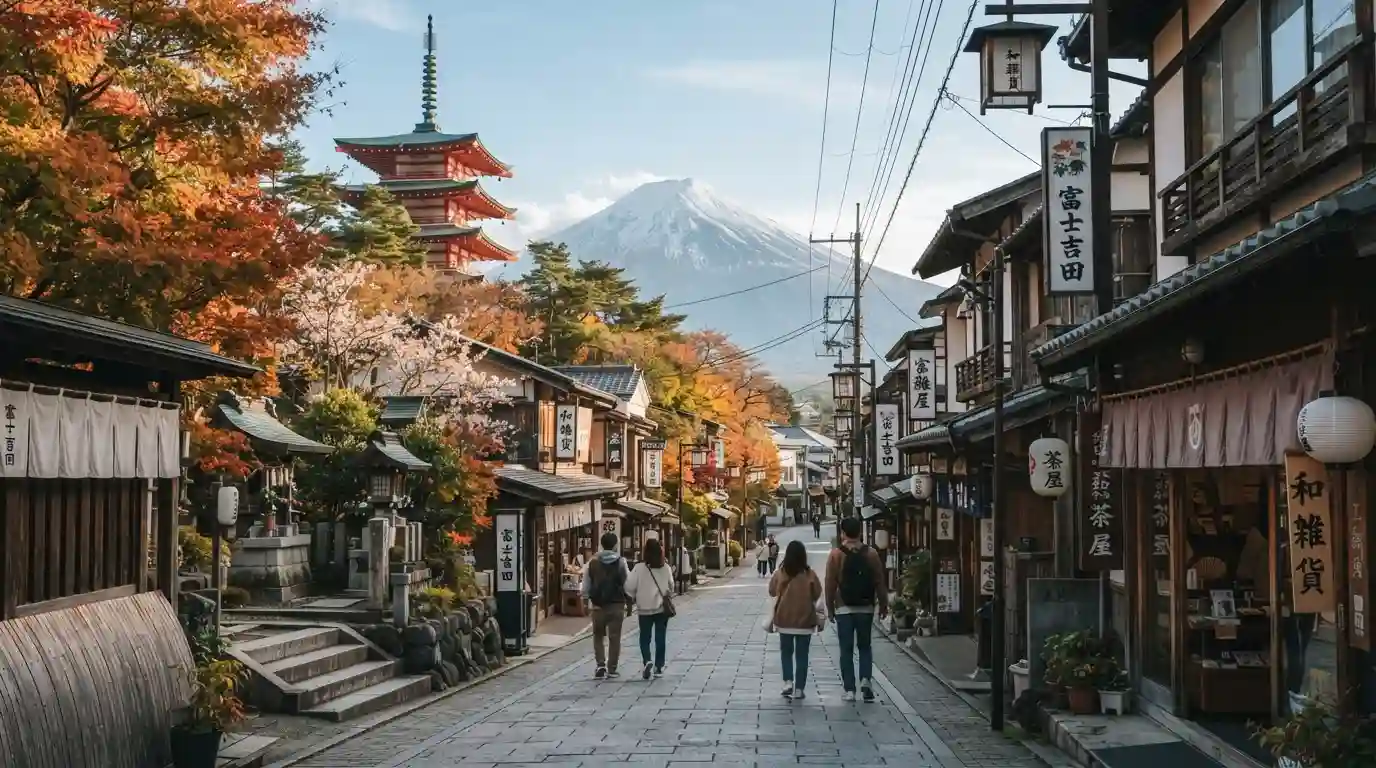
For a first trip, Tokyo and Kyoto are usually the strongest choices because they provide two very different views of Japan. Tokyo delivers energy, shopping, entertainment, technology, and contemporary culture, while Kyoto offers temples, gardens, historic streets, and a deeper connection to traditional Japan.
But they are far from the only options. Osaka is ideal for food and nightlife, Hokkaido is perfect for nature and winter experiences, and destinations such as Nara, Hiroshima, and Okinawa offer their own distinct character.
To help you choose, this guide explores some of the best places to visit in Japan and explains what makes each destination worth adding to your itinerary.
What Is the Best Place to Visit in Japan?
If you want one simple answer, Kyoto is one of the best choices for travelers seeking a classic Japanese experience. Its historic temples, traditional architecture, gardens, cultural districts, and seasonal beauty make it especially appealing for first-time visitors.
However, there is no single destination that works perfectly for every traveler. Tokyo may be better for someone who loves big-city experiences, while Hokkaido can be a better choice for outdoor adventures. Families may prefer a combination of Tokyo and Osaka, while couples might enjoy Kyoto, Hakone, or Okinawa.
The best destination therefore depends on your interests, travel season, budget, and the amount of time you have available.
1. Tokyo: Best for First-Time Visitors and Modern Japan
Tokyo is one of the easiest places to start a Japanese adventure. The capital combines towering skyscrapers, traditional shrines, shopping districts, museums, parks, restaurants, and entertainment neighborhoods in one enormous metropolitan area.
Shibuya is famous for its energetic streets and iconic crossing, while Shinjuku offers a huge selection of restaurants, shopping, nightlife, and urban attractions. Asakusa provides a more traditional atmosphere, particularly around Senso-ji and its surrounding streets.
Tokyo also works well for families because there are numerous museums, parks, entertainment attractions, and day-trip opportunities.
If you’re comparing Japan with other major international destinations, you may also enjoy our guide to the best place in Japan to visit and our broader guide to the best places to visit in Asia.
Why Visit Tokyo?
- Excellent choice for first-time visitors
- Huge variety of restaurants and shopping
- Modern Japanese culture and technology
- Historic temples and neighborhoods alongside skyscrapers
- Excellent base for exploring nearby destinations
2. Kyoto: Best for Traditional Japanese Culture
If your idea of Japan involves wooden streets, peaceful gardens, temples, traditional architecture, and seasonal scenery, Kyoto should be near the top of your list.
Kyoto was Japan’s imperial capital for centuries and remains one of the country’s most important cultural destinations. Visitors can explore historic temples, Buddhist and Shinto sites, traditional neighborhoods, gardens, and tea-related cultural experiences.
Fushimi Inari is known for its seemingly endless rows of vermilion torii gates, while Kiyomizu-dera offers one of the city’s most recognizable temple settings. The Arashiyama area is another popular stop, particularly for travelers interested in bamboo scenery and traditional surroundings.
Kyoto is particularly attractive during spring and autumn, when seasonal landscapes can transform the appearance of the city.
For travelers interested in quieter international destinations as well, our guide to less popular places to visit in Japan can help you explore beyond the major tourist centers.
3. Osaka: Best for Food, Nightlife, and Entertainment
Osaka is an excellent choice if food is one of the main reasons you travel. The city has a reputation for casual dining, street food, energetic neighborhoods, and a relaxed atmosphere.
Dotonbori is one of the most recognizable areas, particularly after dark when illuminated signs and busy restaurants create a lively urban scene. Osaka Castle provides a major historical attraction, while areas such as Umeda offer shopping, dining, and modern city experiences.
Osaka also makes a practical base for exploring nearby attractions. Families can combine a stay in Osaka with visits to major entertainment destinations, while food lovers can spend several days exploring local specialties.
4. Hokkaido: Best for Nature and Winter Adventures
For travelers who want a completely different side of Japan, Hokkaido is an outstanding choice. Japan’s northernmost major island is known for wide-open landscapes, mountains, lakes, forests, skiing, hot springs, and seasonal scenery.
Winter is especially important in Hokkaido. Ski destinations such as Niseko attract visitors looking for snow sports, while other areas offer winter landscapes and relaxing hot-spring experiences.
Summer reveals another side of the island, with green landscapes and colorful flower fields. Hokkaido can therefore work as both a winter adventure destination and a summer nature escape.
If you enjoy seasonal travel, compare Hokkaido with our guides to the best places to visit in the USA in winter, European places to visit in winter, and Toronto in winter.
5. Nara: Best for History and a Slower Pace
Nara is one of the best choices for travelers who want historic attractions without the scale of Tokyo or Osaka. The city was one of Japan’s earliest permanent capitals and contains important cultural landmarks.
Nara Park is particularly famous for its free-roaming deer and expansive green surroundings. Nearby temples and historic sites make it possible to combine nature, culture, and history during a relatively compact visit.
Nara also works well as a day trip from Kyoto or Osaka, making it easy to include without completely changing a larger Japan itinerary.
6. Hiroshima: Best for History and Reflection
Hiroshima offers an important historical experience. The city is closely associated with the atomic bombing of 1945 and today provides visitors with opportunities for reflection, remembrance, and education.
The Peace Memorial Park and surrounding sites form the heart of many visits. Hiroshima can also be combined with Miyajima, known for its scenic island setting and the famous Itsukushima Shrine.
For travelers who appreciate destinations with deeper historical and cultural significance, Hiroshima can add an important dimension to a Japan itinerary.
7. Mount Fuji and Hakone: Best for Scenic Landscapes
Mount Fuji is one of Japan’s most recognizable natural landmarks. The mountain and its surrounding region are especially appealing to travelers looking for dramatic landscapes, photography opportunities, lakes, traditional scenery, and outdoor experiences.
Hakone is another popular choice for travelers seeking mountain views and relaxation. The area is known for hot springs, scenic transportation routes, museums, and views of Mount Fuji when weather conditions cooperate.
Because weather can affect visibility, travelers should avoid building an itinerary around the assumption that Mount Fuji will always be clearly visible.
If scenic landscapes are your priority, you may also enjoy our guides to nature places to visit in Ontario, the best places for seeing nature, and the best places to visit in New Zealand.
8. Okinawa: Best for Beaches and a Tropical Escape
If you imagine Japan as temples and mountain landscapes, Okinawa may surprise you. This southern island region offers a distinctly different atmosphere, with beaches, clear waters, coral reefs, subtropical scenery, and a culture shaped by its own history.
Okinawa is a strong option for travelers who want to combine Japanese culture with a beach-focused holiday. Water activities, coastal sightseeing, and relaxed resort experiences can make it particularly attractive for couples and families.
The region can also work well as the relaxing final portion of a longer Japan trip after several busy days in Tokyo, Kyoto, or Osaka.
For more warm-weather inspiration, see our guides to places to visit in Florida with family, Key West for couples, and summer destinations for couples.
9. Kanazawa: Best for Traditional Arts and Local Culture
Kanazawa is an appealing alternative for travelers who want historic Japanese experiences without relying entirely on Kyoto. The city is known for traditional districts, gardens, crafts, and cultural attractions.
Kenroku-en is one of Japan’s best-known landscape gardens, while the historic Higashi Chaya district provides a glimpse into traditional entertainment and architecture.
Kanazawa is particularly useful for travelers who want to explore beyond Japan’s most heavily visited destinations and build a more varied itinerary.
10. Nagano: Best for Mountains, Nature, and Winter Travel
Nagano is another excellent option for travelers interested in mountains and outdoor activities. The region offers hiking opportunities, winter sports, traditional cultural attractions, and scenic countryside.
The area is also known for its connection to the Japanese Alps, making it appealing to travelers who want to spend more time outdoors rather than in large cities.
If you’re planning a seasonal trip, you can compare Japan’s mountain experiences with other winter destinations such as the Poconos in winter and West Virginia in fall.
How to Choose the Best Place to Visit in Japan
The best destination becomes much easier to choose when you start with your travel priorities.
| Traveler Type | Best Japan Destination | Why |
|---|---|---|
| First-time visitor | Tokyo | Wide range of attractions and easy transportation |
| Traditional culture | Kyoto | Temples, gardens, historic districts, and cultural experiences |
| Food lovers | Osaka | Street food, restaurants, and lively dining districts |
| Winter sports | Hokkaido | Snow, skiing, and winter scenery |
| History enthusiasts | Hiroshima | Important historical and cultural sites |
| Nature lovers | Hokkaido or Nagano | Mountains, forests, lakes, and outdoor activities |
| Beach travelers | Okinawa | Subtropical islands and coastal experiences |
| Scenic getaway | Hakone | Mount Fuji views, hot springs, and mountain scenery |
| Quiet cultural experience | Kanazawa | Gardens, crafts, and traditional neighborhoods |
Best Time to Visit Japan
Japan can be visited throughout the year, but the experience changes dramatically by season.
Spring
Spring is famous for cherry blossoms and generally pleasant conditions in many parts of the country. Popular destinations can become extremely busy during peak blossom periods, so travelers should plan accommodations and transportation carefully.
Summer
Summer brings warmer and more humid conditions to many areas, but it can be an excellent time for mountain destinations, festivals, and northern regions such as Hokkaido.
Autumn
Autumn is one of the most attractive seasons for travelers who want colorful foliage and comfortable sightseeing conditions. Kyoto, Tokyo, mountain areas, and other regions can look spectacular during the fall season.
If autumn travel is your priority, you can also explore our guides to top places to visit in spring and places to visit in the Midwest in fall.
Winter
Winter is ideal for snow sports, hot springs, winter scenery, and seasonal food. Hokkaido and mountain areas become especially attractive, while major cities offer a different experience with winter illuminations and indoor attractions.
How Many Days Do You Need in Japan?
Your ideal trip length depends on how much of the country you want to see.
- 5–7 days: Focus on Tokyo and one nearby destination.
- 8–10 days: Combine Tokyo, Kyoto, and Osaka.
- 11–14 days: Add destinations such as Nara, Hiroshima, Hakone, or Mount Fuji.
- 2–3 weeks: Consider combining major cities with Hokkaido, Okinawa, or less-visited regional destinations.
Trying to cover the entire country in one short vacation can make the trip unnecessarily tiring. It is usually better to explore fewer destinations properly than spend most of your vacation moving between train stations and airports.
Best Japan Itinerary for First-Time Visitors
A classic first-time itinerary can start in Tokyo, continue to Kyoto, and finish in Osaka. This route provides a balanced introduction to modern Japan, traditional culture, food, shopping, entertainment, and historic attractions.
A longer trip could add Hakone or Mount Fuji for scenery, Nara for history and culture, and Hiroshima for a deeper historical experience.
Travelers with more time can then decide whether they would rather head north toward Hokkaido or south toward Okinawa.
If you’re still comparing international destinations before making your decision, our guides to the best places to visit in Japan, the best places to visit in Switzerland, and the best places to visit in British Columbia offer additional travel inspiration.
Japan Travel Tips for First-Time Visitors
Plan Around Your Priorities
Japan has an enormous number of attractions, so choose your destinations according to what interests you most. Do not try to see everything on your first trip.
Allow Time for Transportation
Japan’s rail network makes intercity travel convenient, but moving between destinations still takes time. Build realistic travel periods into your itinerary.
Consider the Season
Your destination should match the season. Skiing in Hokkaido, cherry blossoms in spring, autumn foliage in Kyoto, and beach experiences in Okinawa all have different ideal conditions.
Explore Beyond Major Attractions
Japan rewards travelers who slow down. A quiet neighborhood, local restaurant, small shrine, traditional market, or scenic walking route can sometimes become more memorable than a famous landmark.
Keep Your Itinerary Flexible
Weather can affect outdoor plans, particularly around mountains and scenic viewpoints. Having alternative activities makes your trip more enjoyable when conditions change.
Is Japan Good for Families?
Yes. Japan can be an excellent family destination because it offers a wide variety of experiences for different ages.
Families can combine major cities with amusement parks, museums, aquariums, parks, cultural attractions, and nature destinations. Tokyo and Osaka offer particularly broad entertainment options, while Kyoto provides educational cultural experiences.
For families who want to compare Japan with other destinations, you may also want to explore places to visit in Kentucky with kids and top places to visit in Florida with family.
Is Japan Expensive to Visit?
Japan can accommodate different travel budgets. Accommodation ranges from budget hotels and hostels to luxury properties, while food can range from inexpensive casual meals to high-end dining.
Transportation is another major part of the budget. Planning your route carefully can help reduce unnecessary travel costs, particularly when combining multiple cities.
Travelers should also remember that the most expensive option is not always the best experience. Local restaurants, neighborhood accommodations, public transportation, and free attractions can provide excellent value.
Final Verdict: What’s the Best Place to Visit in Japan?
So, what’s the best place to visit in Japan? For travelers seeking traditional culture and historic atmosphere, Kyoto is one of the strongest choices. For first-time visitors who want modern Japanese life, entertainment, shopping, and endless attractions, Tokyo is hard to beat.
Osaka is ideal for food and nightlife, Hokkaido stands out for nature and winter adventures, Okinawa offers a tropical side of Japan, and destinations such as Nara, Hiroshima, Hakone, Kanazawa, and Nagano provide more specialized experiences.
Ultimately, the best place to visit in Japan is the destination that matches the kind of trip you want to have. If this is your first visit, a Tokyo–Kyoto–Osaka itinerary provides an excellent foundation. If you have more time, expand your journey with mountains, beaches, historic towns, or northern and southern Japan.
Frequently Asked Questions
What is the number one place to visit in Japan?
Kyoto is one of the strongest choices for travelers who want traditional Japanese culture, temples, gardens, historic neighborhoods, and seasonal scenery. Tokyo is another excellent choice for first-time visitors who prefer modern city experiences.
Is Tokyo or Kyoto better for a first trip to Japan?
Neither is universally better. Tokyo offers modern Japanese culture, entertainment, shopping, and enormous variety, while Kyoto provides a more traditional experience. Visiting both is ideal when your schedule allows.
What is the most beautiful place in Japan?
Beauty is subjective, but destinations around Mount Fuji, Kyoto, Hokkaido, and Okinawa are among the most visually appealing choices for different reasons, from mountain scenery and historic architecture to beaches and seasonal landscapes.
How long should I spend in Japan?
A week can provide a useful introduction to Japan, but 10 to 14 days allows travelers to experience several major destinations without rushing excessively.
What is the best month to visit Japan?
Spring and autumn are popular because of pleasant sightseeing conditions and seasonal scenery, but the best month depends on the region and activities you want to experience.