
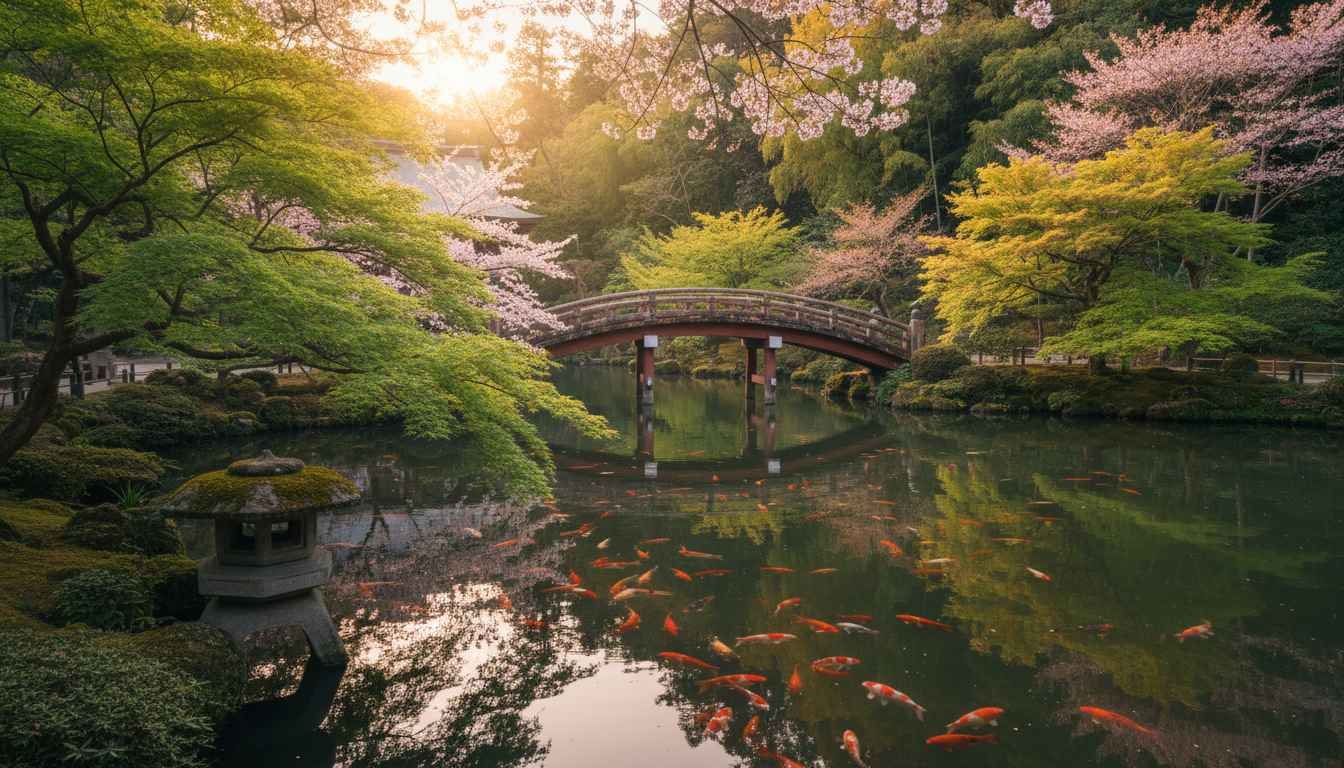
Japan is one of the world’s most rewarding travel destinations, combining ancient temples, modern cities, scenic landscapes, distinctive food, and deeply rooted cultural traditions. But with so many remarkable destinations, one question naturally comes up: what is the best place in Japan to visit?
For many first-time travelers, Kyoto is the strongest overall choice because it brings together historic temples, traditional neighborhoods, gardens, cultural experiences, and excellent access to other destinations. However, the right destination depends on what you want from your trip. Tokyo is ideal for big-city energy, Osaka is known for food and entertainment, Nara offers history and peaceful surroundings, while Hiroshima combines important history with beautiful island scenery.
If you are planning a wider international trip, you can also explore our guide to the best place to visit in Paris for another major cultural destination.
Why Kyoto Is One of the Best Places to Visit in Japan
Kyoto is often the first destination to consider when travelers want to experience traditional Japan. The city was Japan’s imperial capital for more than a thousand years, and its historic character remains visible through temples, shrines, gardens, wooden townhouses, traditional dining, and seasonal celebrations.
Visitors can spend their days exploring historic streets, visiting temples, walking through gardens, and discovering neighborhoods such as Gion and Higashiyama. Kyoto also works well as a base for exploring nearby destinations, making it particularly useful for travelers who want to experience several sides of Japan during one trip.
The city is especially appealing during spring and autumn, when seasonal scenery adds another dimension to its historic architecture. Travelers who enjoy planning trips around changing seasons can also read our guide to top places to visit in spring.
Tokyo: The Best Choice for Modern Japan
If your idea of Japan involves skyscrapers, shopping districts, technology, nightlife, pop culture, museums, and an enormous variety of restaurants, Tokyo may be the best place for your trip.
Tokyo offers an unusual contrast between modern urban life and historic landmarks. Travelers can move from busy commercial districts to quiet shrines and gardens within the same day. Areas such as Asakusa, Shibuya, Shinjuku, Harajuku, and Ginza each offer a different perspective on the city.
Tokyo is also a practical starting point for first-time visitors because it provides extensive transportation connections and easy access to several nearby destinations.
Osaka: Best for Food, Nightlife, and Entertainment
Osaka is an excellent choice for travelers who want a more energetic and food-focused experience. The city has a reputation for casual dining, lively streets, shopping, entertainment, and a friendly atmosphere.
Dotonbori is one of the city’s best-known areas for experiencing Osaka after dark, while Osaka Castle provides a historic landmark and a different pace from the busy commercial districts.
Osaka also pairs naturally with Kyoto and Nara. A traveler can stay in Osaka and make convenient day trips to nearby cultural destinations, creating a varied itinerary without constantly changing hotels.
For travelers who enjoy combining destinations, this approach can be especially useful when building a broader travel plan. Our travel center guide also highlights the importance of planning convenient stops and practical travel arrangements during longer journeys.
Nara: Best for History, Temples, and a Slower Pace
Nara is an excellent destination for travelers who want to slow down and spend more time around historic landmarks and nature. It was one of Japan’s earliest permanent capitals and remains closely associated with important Buddhist temples, shrines, traditional architecture, and Nara Park.
One of Nara’s most recognizable experiences is seeing the free-roaming deer around Nara Park. The city also offers important cultural sites, including Todaiji Temple and its enormous Buddha statue.
Nara is particularly easy to combine with Kyoto and Osaka, making it a strong addition to a first-time Japan itinerary rather than a destination that necessarily requires a long standalone stay.
Hiroshima: Best for History and Meaningful Travel
Hiroshima offers a very different experience from Tokyo, Kyoto, and Osaka. The city is internationally associated with its history and peace memorial sites, but modern Hiroshima also provides access to scenic landscapes, islands, food, and cultural experiences.
The Hiroshima Peace Memorial Park and Atomic Bomb Dome are important places for visitors interested in understanding the city’s history. Nearby Miyajima adds a completely different atmosphere with its famous shrine, coastal scenery, and mountain landscape.
Hiroshima can therefore provide a balanced combination of reflection, history, nature, and local food within the same trip.
Hakone: Best for Hot Springs and Mountain Scenery
Hakone is a strong choice for travelers who want to step away from major cities and enjoy Japan’s natural side. The area is known for hot springs, mountain scenery, traditional accommodations, and views associated with Mount Fuji when conditions are favorable.
Hakone works particularly well as a stop between Tokyo and the Kansai region. Spending a night in a traditional inn can also give travelers an opportunity to experience a slower style of Japanese hospitality.
Hokkaido: Best for Nature and Outdoor Adventures
Travelers who prefer wide-open landscapes, outdoor activities, cooler weather, and seasonal scenery should consider Hokkaido. Japan’s northern island offers a very different environment from the densely populated urban areas of Tokyo and Osaka.
Hokkaido can be particularly attractive for skiing, hiking, wildlife experiences, national parks, and food-focused travel. It is a better choice for visitors who have additional time and want to explore beyond Japan’s classic first-time route.
Okinawa: Best for Beaches and Island Experiences
Okinawa provides another side of Japan entirely. Its subtropical environment, beaches, islands, marine activities, and distinctive local culture make it a compelling option for travelers who want relaxation alongside sightseeing.
Rather than choosing Okinawa for a traditional temple-focused trip, consider it when your priorities include beaches, warm weather, snorkeling, diving, coastal scenery, and a slower island atmosphere.
Which Place in Japan Is Best for First-Time Visitors?
There is no single answer for every traveler. The best destination depends on the type of experience you want.
- Best overall: Kyoto
- Best for modern city life: Tokyo
- Best for food and entertainment: Osaka
- Best for ancient history: Nara
- Best for meaningful historical travel: Hiroshima
- Best for hot springs and mountain scenery: Hakone
- Best for outdoor adventures: Hokkaido
- Best for beaches and island relaxation: Okinawa
Best Japan Itinerary for First-Time Travelers
For a first visit, a route combining several destinations can be more rewarding than spending the entire trip in one city.
7-Day Japan Itinerary
- Days 1–3: Tokyo
- Day 4: Travel toward Kyoto
- Days 5–6: Kyoto
- Day 7: Nara or Osaka
This itinerary gives first-time visitors a useful introduction to modern Japan, traditional culture, food, historic sites, and urban life.
10-Day Japan Itinerary
- Days 1–3: Tokyo
- Day 4: Hakone
- Days 5–7: Kyoto
- Day 8: Nara
- Days 9–10: Osaka
A longer itinerary allows you to experience more regional differences without making the trip feel excessively rushed.
When Is the Best Time to Visit Japan?
Japan can be visited throughout the year, but the ideal season depends on your priorities.
Spring is popular for cherry blossoms and comfortable sightseeing conditions. Summer brings festivals, greenery, and opportunities for mountain and coastal activities, although some areas can be hot and humid. Autumn is excellent for colorful foliage and pleasant travel conditions. Winter is particularly attractive for skiing, snow scenery, winter food, and hot-spring experiences.
If seasonal travel is your priority, planning your destinations around the time of year can make the overall experience significantly better.
How to Choose the Right Japanese Destination
Before booking accommodation, think about what you actually want from the trip. Travelers interested in history and traditional architecture will usually get more from Kyoto and Nara. Those who want shopping, nightlife, and modern attractions may prefer Tokyo and Osaka. Nature lovers should consider Hakone or Hokkaido, while beach-focused travelers may find Okinawa more suitable.
It is also important to consider travel time. Japan’s rail network makes multi-city travel practical, but moving between distant regions can still consume valuable vacation hours. A well-planned route is usually better than trying to see every major destination in one trip.
Tips for Planning a Japan Trip
- Choose your main destinations before booking hotels.
- Group nearby destinations together to reduce unnecessary travel.
- Allow enough time to explore neighborhoods rather than only famous attractions.
- Consider seasonal weather before deciding where to go.
- Mix major cities with at least one quieter destination.
- Leave some flexibility for food, shopping, and unexpected discoveries.
- Research local transportation before arriving in each city.
- Respect local customs, neighborhoods, temples, shrines, and public spaces.
Final Thoughts
So, what is the best place in Japan to visit? For many first-time travelers, Kyoto is the strongest all-around choice because it combines history, culture, food, traditional neighborhoods, gardens, temples, and convenient access to other major destinations.
However, Japan is much more than Kyoto. Tokyo delivers an unforgettable modern-city experience, Osaka brings food and entertainment, Nara offers ancient history and a peaceful atmosphere, Hiroshima provides meaningful historical experiences, while Hakone, Hokkaido, and Okinawa reveal Japan’s natural diversity.
The best trip is ultimately the one that matches your interests. Instead of asking only which destination is the most famous, consider what you want to remember when you return home. Build your itinerary around those experiences, give yourself enough time to explore, and Japan can become far more than a sightseeing destination—it can become one of the most memorable journeys you take.
For additional destination inspiration, you can also explore PathVoice’s main travel and lifestyle content, revisit the guide to the best place to visit in Paris, and explore places to visit in spring when planning seasonal travel.