
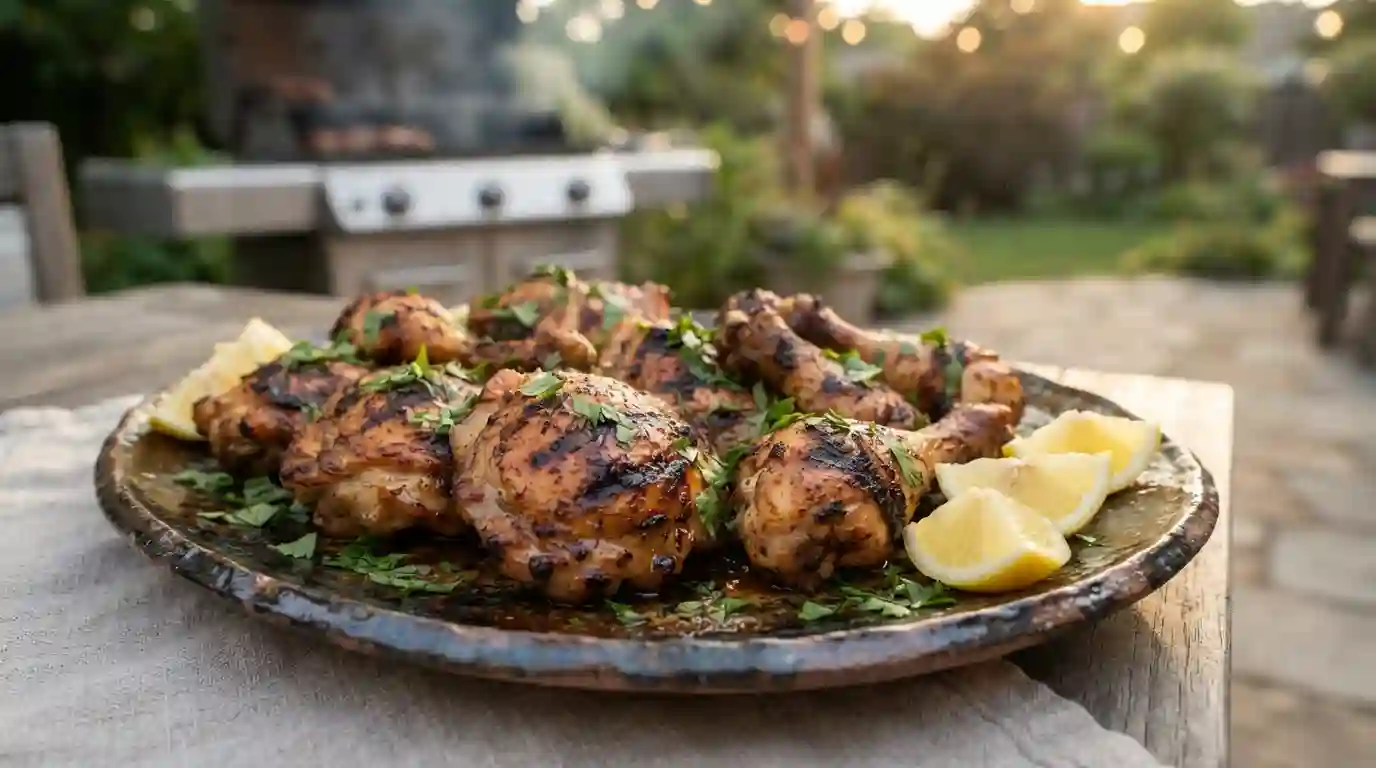
The good news is that you do not need complicated ingredients or professional grilling equipment. With the right preparation, a reliable marinade, controlled grill heat, and a little patience, you can make delicious grilled chicken at home.
If you are also planning other homemade meals, you can explore these healthy breakfast tips and learn more about eating in a proper way for ideas that complement a balanced meal.
Why Grilled Chicken Can Be Difficult to Get Right
Chicken is relatively lean, particularly when you use boneless breast meat. That means it can quickly become dry if it is exposed to excessive heat for too long. At the same time, undercooked chicken is unsafe to eat, so the goal is to create enough heat for thorough cooking without turning the outside into a dry, tough layer.
The thickness of the chicken also matters. A very thick breast can take much longer to cook than a thin piece, while smaller pieces can become overcooked quickly. Consistent sizing makes the entire grilling process easier to control.
Choose the Right Chicken Cuts
Chicken thighs are naturally forgiving because they contain more fat and connective tissue, while chicken breasts are popular because they are lean and easy to portion. Chicken tenders, drumsticks, and wings can also work well on the grill when the heat is managed carefully.
For a beginner-friendly grilled chicken recipe, boneless, skinless thighs are an excellent choice because they are less likely to dry out. If you prefer chicken breast, consider using pieces with similar thickness so they cook at approximately the same rate.
1. Prepare the Chicken Before Grilling
Good preparation starts before the grill is turned on. Trim excessive fat or unwanted connective tissue and pat the chicken dry with paper towels. Removing excess surface moisture helps the chicken brown instead of simply steaming on the grill.
If the pieces are very thick, gently flatten them to create a more even thickness. This simple step can significantly improve consistency because the thinner sections will not finish cooking long before the center.
2. Use a Flavorful Marinade
A marinade can add flavor and help improve the eating experience. A simple combination of oil, an acidic ingredient, herbs, spices, garlic, and salt can create a versatile base for grilled chicken.
For example, you can combine olive oil with lemon juice, minced garlic, paprika, black pepper, salt, and dried herbs. For a richer flavor, add a small amount of yogurt or another suitable ingredient that complements chicken.
Marinate the chicken in the refrigerator rather than leaving it on the counter. If you want to use marinade as a finishing sauce, reserve a clean portion before it touches raw chicken. Never simply pour used raw-chicken marinade over cooked food without appropriate cooking.
3. Give the Chicken Enough Marinating Time
For everyday cooking, allowing chicken to marinate for a few hours gives the seasoning time to work into the surface. Extremely long marinating is not always better, especially when the marinade contains strong acidic ingredients.
The goal is balanced flavor rather than an overpowering marinade. If you are preparing the chicken for a family meal, you can make the marinade earlier in the day and keep the chicken refrigerated until it is ready for the grill.
4. Preheat the Grill Properly
A cold or poorly heated grill makes it harder to develop attractive browning and can cause chicken to stick. Preheat the grill before adding the meat and make sure the cooking surface is clean.
Once the grill is hot, lightly oiling the cooking surface can help reduce sticking. Avoid using excessive oil because dripping fat can cause flare-ups.
5. Create Two Heat Zones
One of the most useful grilling techniques is creating a hotter area and a cooler area. On a gas grill, this can be done by adjusting burners. On a charcoal grill, arrange the coals so that one side has stronger direct heat and another side provides gentler cooking.
The hotter zone is useful for developing color and grill marks. The cooler zone gives you a place to move chicken if the exterior is browning too quickly before the center has finished cooking.
6. Avoid Constantly Flipping the Chicken
Chicken does not need to be flipped every few seconds. Place it on the hot grill and give it enough time to develop a good sear before turning it.
Frequent movement can interfere with browning and may cause pieces to stick or tear. Instead, watch the chicken carefully and turn it when the first side has developed a nicely browned surface.
7. Control the Heat to Prevent Burning
Marinades containing sugar, honey, or sweet sauces can brown quickly. If the grill is extremely hot, the outside may burn before the inside is properly cooked.
If you notice excessive browning or flare-ups, move the chicken to a cooler part of the grill. This indirect heat technique gives the center more time to cook without aggressively darkening the exterior.
8. Use a Meat Thermometer
One of the most important tips for grilled chicken is to check the internal temperature rather than relying only on appearance. Chicken should reach a safe minimum internal temperature of 165°F (73.9°C) when measured with a food thermometer.
Color alone is not a dependable way to determine whether chicken is safely cooked. A thermometer gives you a much more reliable indication and can also help prevent unnecessary overcooking.
9. Do Not Cut the Chicken Open Repeatedly
It can be tempting to cut into the thickest piece to see whether it is cooked. However, repeatedly slicing the chicken releases juices and makes it harder to judge the final texture.
Instead, use a food thermometer to check the thickest portion. Once the chicken reaches the appropriate temperature, remove it from the grill.
10. Let the Chicken Rest
Resting is a simple step that is often overlooked. After grilling, transfer the chicken to a clean plate and allow it to rest for several minutes before slicing.
This gives the juices time to redistribute and makes the chicken easier to slice without immediately losing moisture across the cutting board.
11. Slice Against the Grain
When serving chicken breast or other larger cuts, look at the direction of the muscle fibers and slice across them rather than along them. Cutting across the grain can make each bite feel more tender and easier to chew.
Use a sharp knife and make clean slices rather than repeatedly sawing through the meat. This also makes grilled chicken look more appealing when served on a platter.
12. Add Fresh Finishing Flavors
Grilled chicken can taste even better with a fresh finishing element. A squeeze of lemon, chopped parsley, cilantro, fresh herbs, or a light sauce can brighten the smoky flavor.
You can also serve the chicken with grilled vegetables, a fresh salad, rice, or another side dish. If you enjoy experimenting with homemade meals, you may also like this chicken roll recipe for another way to prepare chicken.
13. Pair Grilled Chicken With Balanced Sides
A complete meal does not have to be complicated. Grilled vegetables, leafy salads, roasted potatoes, rice, corn, or fresh fruit can all work well alongside grilled chicken.
For people focused on fitness and protein-rich meals, grilled chicken can also fit naturally into a broader meal plan. You can find additional ideas in this guide to the best trainer for bodybuilding and these tips for making a lean body.
14. Keep Raw and Cooked Chicken Separate
Food safety is just as important as flavor. Use separate clean plates and utensils for cooked chicken. Do not place cooked chicken on a plate that previously held raw chicken unless the plate has been thoroughly washed.
The same principle applies to tongs, cutting boards, knives, and other utensils. Keeping raw poultry separate from ready-to-eat food helps reduce the risk of cross-contamination.
15. Handle Leftovers Correctly
If you have leftover grilled chicken, refrigerate it promptly rather than leaving it on the table for an extended period. Store it in a covered container and use it in salads, sandwiches, wraps, bowls, or other meals.
Leftover chicken can be especially convenient for quick lunches. If you are interested in building better everyday eating habits, this healthy breakfast guide can also provide inspiration for planning simple meals.
Common Grilled Chicken Mistakes to Avoid
- Putting chicken on a cold grill.
- Using pieces with dramatically different thicknesses.
- Cooking over extremely high heat for the entire process.
- Flipping the chicken constantly.
- Burning a sugary marinade before the chicken is finished.
- Judging doneness only by color.
- Cutting into the chicken repeatedly while it cooks.
- Skipping the resting period.
- Using the same utensils for raw and cooked chicken.
- Leaving cooked chicken at room temperature for too long.
How to Make Grilled Chicken More Flavorful
If your grilled chicken tastes bland, the solution is usually not simply adding more sauce at the end. Build flavor throughout the process. Season the chicken properly, allow enough marinating time, develop a good sear, and finish with fresh herbs or a complementary sauce.
You can also experiment with different flavor profiles. Try smoky paprika and garlic for a barbecue-style result, lemon and herbs for a lighter Mediterranean-inspired flavor, or chili and lime for a brighter and spicier option.
How to Keep Chicken Juicy on the Grill
The biggest secret is avoiding unnecessary overcooking. Choose suitable cuts, maintain controlled heat, and use a thermometer rather than guessing. A two-zone grill is particularly helpful because it allows you to move chicken away from direct heat when the exterior is cooking faster than the center.
Resting the meat after cooking also helps create a better final texture. If you regularly prepare grilled chicken for fitness-focused meals, combine it with appropriate portions of vegetables and carbohydrates rather than relying on chicken alone.
Easy Grilled Chicken Recipe Formula
For a simple starting point, use the following formula:
- Choose boneless chicken thighs or evenly sized chicken breasts.
- Pat the chicken dry and trim it as needed.
- Season or marinate with oil, salt, spices, herbs, and an acidic ingredient.
- Keep the chicken refrigerated while it marinates.
- Preheat the grill.
- Create direct and indirect heat zones.
- Grill the chicken until well browned, turning when appropriate.
- Move pieces to indirect heat if the outside is browning too quickly.
- Check the thickest part with a food thermometer.
- Remove the chicken when it reaches 165°F.
- Rest for several minutes before slicing and serving.
What to Serve With Grilled Chicken
Grilled chicken works with almost any combination of fresh and cooked sides. Consider pairing it with a simple green salad, grilled vegetables, roasted potatoes, rice, corn, or homemade bread.
If you are planning a larger outdoor meal, simple homemade desserts can finish the menu. For example, you can explore this homemade cake recipe or learn more about a blueberry angel food cake dessert.
Grilling Tips for a Family Cookout
When cooking for several people, prepare the chicken ahead of time and keep raw poultry refrigerated until it is ready to go on the grill. Organize clean plates, utensils, sauces, and side dishes before cooking begins.
This makes the cooking process easier and reduces the temptation to reuse utensils that have touched raw chicken. If you are planning an outdoor gathering, keeping hot foods hot and cold foods properly chilled is also important.
For a more active outdoor day, grilled chicken can pair nicely with other lifestyle activities. You might also enjoy these ideas about morning jogging, relaxing at the beach, and daring sports.
Final Tips for Better Grilled Chicken
The best chicken grill recipe does not depend on a complicated ingredient list. Focus on preparation, consistent thickness, balanced seasoning, proper grill heat, and safe internal temperature.
Use a thermometer instead of guessing, give the chicken time to rest, and keep raw and cooked food separate. Once these basic techniques become part of your routine, you can confidently experiment with different marinades, spices, sauces, and side dishes.
For more homemade meal inspiration, you can also explore this grilled chicken recipe guide, discover healthy breakfast ideas, or try other recipes available throughout PathVoice.