
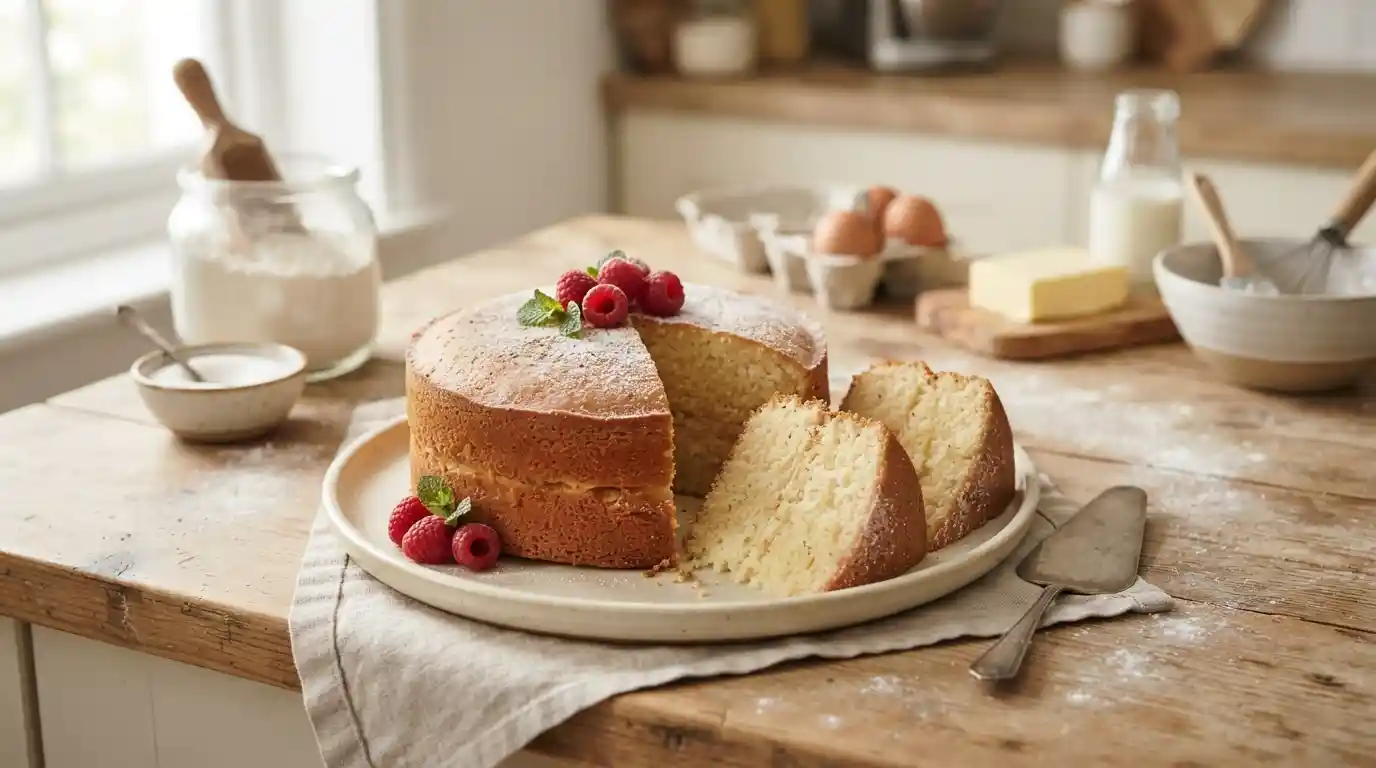
This easy homemade cake recipe is designed for beginners and experienced home bakers alike. It explains how to prepare the batter, choose the right baking pan, control the oven temperature, avoid common mistakes, and finish the cake with a simple topping. Whether you are preparing dessert for your family, celebrating a birthday, or simply want something sweet with tea or coffee, this recipe gives you a reliable starting point.
If you enjoy simple homemade food, you can also explore our tips for making chicken grill recipes or try a comforting chicken roll with cheese when you want a savory option.
Why Make Cake at Home?
A homemade cake gives you more control over the ingredients, sweetness, texture, and flavor. You can adjust the recipe to suit your preferences and make the cake as simple or decorative as you like.
Another advantage is freshness. A cake baked at home can be served while it is still fresh and soft, and you can choose your own frosting, fruit, nuts, chocolate, or other toppings.
For people who are new to baking, a basic cake is also a useful recipe to learn. Once you understand how ingredients interact and how the batter should look before baking, you can experiment with many variations.
Ingredients for a Simple Homemade Cake
For a basic vanilla-style homemade cake, prepare the following ingredients:
- 2 cups all-purpose flour
- 1 cup granulated sugar
- 1 cup milk
- 1/2 cup unsalted butter, softened
- 2 large eggs
- 2 teaspoons vanilla extract
- 2 teaspoons baking powder
- 1/4 teaspoon salt
For a richer cake, you can add a small amount of additional butter or use a simple frosting after the cake has cooled. If you prefer a lighter dessert, keep the topping minimal and let the texture of the cake remain the main feature.
Equipment You Will Need
You do not need professional bakery equipment to make this recipe. A few basic kitchen tools are enough:
- Mixing bowls
- Measuring cups and spoons
- Electric hand mixer or whisk
- Rubber spatula
- 8- or 9-inch round cake pan
- Oven
- Cooling rack
- Parchment paper
Having the ingredients measured before you begin makes the process easier and reduces the chance of forgetting an ingredient halfway through preparation.
How to Make Homemade Cake Step by Step
1. Prepare the Oven
Start by preheating your oven to 350°F (175°C). Allow the oven to reach the desired temperature before placing the cake inside.
Proper preheating matters because cake batter needs a consistent baking environment from the beginning. If the oven is still warming up when the pan goes inside, the cake may not rise or bake evenly.
2. Prepare the Cake Pan
Grease an 8- or 9-inch cake pan with a thin layer of butter. You can also place parchment paper on the bottom of the pan to make removing the finished cake easier.
A properly prepared pan helps prevent the cake from sticking and makes the final presentation much cleaner.
3. Combine the Dry Ingredients
In a medium bowl, combine the flour, baking powder, and salt. Stir the ingredients together so the baking powder is evenly distributed throughout the flour.
This step helps create a consistent texture because the leavening ingredient needs to be distributed throughout the batter rather than concentrated in one area.
4. Cream the Butter and Sugar
Place the softened butter and sugar in a large mixing bowl. Beat them together until the mixture becomes lighter and creamy.
Do not use butter that is completely melted. Softened butter is easier to combine with sugar and helps create the right consistency for the batter.
5. Add the Eggs
Add the eggs one at a time, mixing after each addition. Scrape the sides of the bowl with a spatula if necessary.
Adding the eggs gradually helps maintain a smooth mixture. Once the eggs are incorporated, add the vanilla extract and mix briefly.
6. Add the Dry Ingredients and Milk
Gradually add the dry ingredients to the butter mixture. Alternate between adding some of the flour mixture and some of the milk.
Mix gently until the ingredients are just combined. Avoid excessive mixing because overworked batter can produce a heavier cake.
7. Transfer the Batter to the Pan
Pour the finished batter into the prepared cake pan. Use a spatula to spread it evenly and gently smooth the surface.
Give the pan a very light tap on the counter if you notice large air pockets, but avoid aggressively banging the pan.
8. Bake the Cake
Place the pan in the preheated oven and bake for approximately 30 to 35 minutes. Baking time can vary depending on your oven, pan size, and the thickness of the batter.
Begin checking the cake toward the end of the recommended baking period. Insert a toothpick into the center. If it comes out clean or with only a few moist crumbs, the cake is ready.
9. Let the Cake Cool
Remove the cake from the oven and allow it to cool in the pan for several minutes. Then carefully transfer it to a cooling rack.
Do not immediately add frosting to a hot cake. Heat can cause frosting to melt and slide away from the surface.
How to Tell When a Cake Is Done
The most reliable way to check a homemade cake is to look at several signs rather than depending only on the clock.
- The top should look set.
- The edges should begin to pull slightly away from the pan.
- The center should not appear liquid or visibly wet.
- A toothpick inserted into the center should come out clean or with a few moist crumbs.
If the top becomes dark before the center is finished, check your oven temperature and consider loosely covering the cake with foil during the remaining baking time.
Common Homemade Cake Mistakes
Using Cold Ingredients
Very cold butter and eggs can make it harder to create a smooth batter. When possible, allow refrigerated ingredients to come closer to room temperature before mixing.
Overmixing the Batter
Mixing too aggressively or for too long after adding the flour can make the finished cake dense. Mix only until the ingredients are incorporated.
Opening the Oven Too Often
Repeatedly opening the oven during baking can interfere with the cake’s rise. Try to keep the oven door closed during the early portion of baking and check the cake when it is close to being finished.
Incorrect Measurements
Baking depends on balanced proportions. Use measuring cups and spoons carefully rather than estimating important ingredients.
Frosting a Hot Cake
Always allow the cake to cool before applying frosting. Otherwise, the topping can become runny and difficult to spread.
Easy Ways to Customize Your Cake
Once you have mastered a basic homemade cake, there are many ways to create different flavors without changing the basic method.
Chocolate Cake
Replace part of the flour with unsweetened cocoa powder and pair the finished cake with chocolate frosting or a simple chocolate glaze.
Fruit Cake
Add suitable fresh or dried fruit to the batter. Berries, chopped apples, raisins, or other ingredients can create a different texture and flavor.
Lemon Cake
Add finely grated lemon zest to the batter for a bright citrus flavor. A simple lemon glaze can provide additional sweetness after the cake cools.
Carrot Cake
Finely grated carrots, warm spices, and a creamy topping can turn the basic concept into a more substantial dessert.
If you enjoy experimenting with food at home, you may also like our guide to making a healthy breakfast, especially when planning a complete homemade menu.
Simple Cake Topping Ideas
You do not need an elaborate decoration to make a homemade cake look appealing. A few simple toppings can completely change its presentation.
- Powdered sugar
- Vanilla frosting
- Chocolate frosting
- Fresh berries
- Chopped nuts
- Shaved chocolate
- Simple glaze
- Whipped cream
For a casual family dessert, a light dusting of powdered sugar may be enough. For birthdays or celebrations, frosting and decorative toppings can create a more festive appearance.
How to Store Homemade Cake
Once the cake has completely cooled, store it in an airtight container or cover it properly to help maintain its texture.
Storage requirements can vary depending on the ingredients and frosting used. Cakes containing perishable toppings or fillings should be handled differently from a simple unfrosted cake.
If you are preparing the cake in advance, keep it protected from air and moisture loss. A properly covered cake is less likely to become dry before serving.
Tips for a Soft and Moist Cake
Follow these practical tips for a better result every time:
- Measure ingredients carefully.
- Preheat the oven before baking.
- Use softened rather than melted butter.
- Do not overmix after adding flour.
- Use an appropriately sized cake pan.
- Avoid opening the oven repeatedly.
- Check the center before removing the cake.
- Allow the cake to cool before decorating.
- Store the finished cake properly.
Homemade Cake for Family Gatherings
A simple cake can become part of many family occasions, from weekend meals to birthdays and holiday gatherings. Because the recipe is flexible, you can prepare a basic version for everyday dessert or add decorations for a special event.
Homemade food also gives you the opportunity to build an entire meal around your preferences. For more lifestyle and food inspiration, explore the site’s latest blog content and related lifestyle topics.
If you are planning an outdoor family day after your meal, you can also explore ideas such as relaxing at the beach or browse places to visit with friends.
More Lifestyle Ideas to Explore
Cooking and food are only one part of a balanced lifestyle. Readers interested in everyday wellness can also explore morning jogging and practical ideas for maintaining an active routine.
Families may also enjoy our article about caring for kids or ideas involving brothers and sisters playing with toys.
For people who enjoy travel after discovering new recipes, there are also guides covering destinations such as popular places to visit in New York, family destinations in Florida, and places to visit across the USA in winter.
You can also explore summer destinations for couples when planning a getaway or discover places to visit in the United States during fall.
Frequently Asked Questions
Can I make a homemade cake without an electric mixer?
Yes. A whisk or sturdy spatula can be used, although mixing may require more effort. The important thing is to combine the ingredients properly without overmixing the batter.
Why did my homemade cake become dense?
Dense cake can result from overmixing, inaccurate measurements, insufficient leavening, or baking conditions that are not suitable for the recipe. Mixing gently after adding flour can help.
Can I use a different cake pan?
Yes, but changing the pan size can change the baking time and cake thickness. A deeper or smaller pan may require different baking conditions than the recommended pan.
How do I know whether the cake is fully baked?
Check the center with a toothpick and look for a set surface and lightly separated edges. The toothpick should come out clean or with a few moist crumbs.
Can I decorate the cake after it cools?
Yes. In fact, allowing the cake to cool completely before frosting is recommended because warm cake can cause frosting to melt.
Can I make this cake ahead of time?
Yes. Prepare the cake in advance, allow it to cool completely, and store it properly in an airtight container or suitable covering until you are ready to serve it.
Final Thoughts
A good homemade cake starts with simple ingredients and careful preparation. Measure everything accurately, prepare the pan properly, mix the batter gently, bake it in a fully preheated oven, and give the finished cake enough time to cool before decorating.
Once you are comfortable with this basic recipe, you can experiment with chocolate, fruit, citrus flavors, different toppings, and decorative styles. The same fundamental baking skills can help you create many homemade desserts while giving you more control over flavor and presentation.
For more everyday food and lifestyle inspiration, continue exploring PathVoice and its collection of practical articles.