That is why a useful US list of places not to visit should not simply label entire cities or regions as dangerous. A better approach is to identify destinations and travel situations where extra planning is necessary, conditions can change quickly, or inexperienced visitors may underestimate the risks.
If you are planning a domestic trip, also consider seasonal alternatives. For example, travelers interested in scenic destinations can explore guides to places to visit in the USA during winter, fall destinations in the United States, and places to visit in the Northeast to build an itinerary around more suitable conditions.
What Does “Places Not to Visit” Really Mean?
A destination appearing on a list of places to approach cautiously does not automatically mean it is permanently unsafe or unsuitable. Travel conditions can change by season, neighborhood, time of day, weather pattern, road status, local events, and planned activity.
For example, a desert destination can be enjoyable during a cooler season but become physically demanding during extreme summer heat. A mountain destination can be accessible during one season and difficult during another. Likewise, a popular attraction can be perfectly reasonable when visitors follow established routes but considerably riskier when people ignore warnings or enter restricted areas.
The most useful question is therefore not simply, “Which places should I never visit?” Instead, ask: What conditions could make this destination unsuitable for my trip?
1. Death Valley During Extreme Summer Heat
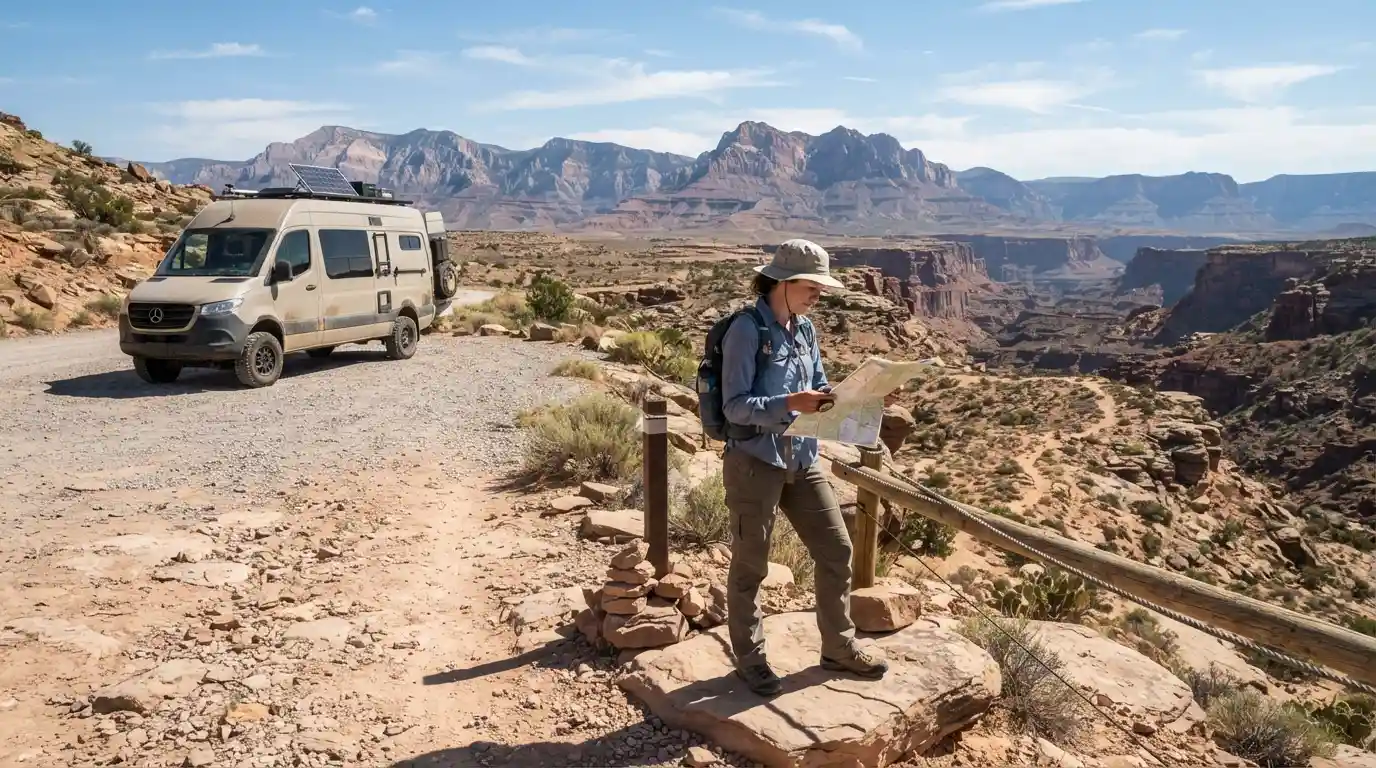
Death Valley is one of America’s most dramatic landscapes, but its desert environment demands serious preparation. Extreme temperatures can turn ordinary sightseeing or hiking into a dangerous activity, particularly during the hottest part of the year.
Visitors who arrive without adequate water, vehicle preparation, weather awareness, and a realistic activity plan can quickly find themselves in difficult conditions. Long walks away from a vehicle are especially inappropriate when temperatures are extreme.
This does not make Death Valley a destination to permanently avoid. Instead, it is a place where timing matters enormously. Travelers should understand the seasonal climate, check current conditions, plan their route, and avoid activities that exceed their preparation or experience.
2. Grand Canyon Inner-Canyon Hiking in Peak Heat
The Grand Canyon is one of the country’s most spectacular destinations, but the difference between enjoying the rim and undertaking a demanding inner-canyon hike is substantial.
Visitors sometimes underestimate the difficulty of hiking downhill and assume that reaching the river is comparable to a normal day hike. The return journey can be considerably more demanding, especially when temperatures are high.
For travelers interested in Arizona scenery without committing to a strenuous backcountry itinerary, carefully planned viewpoints, rim trails, and shorter activities can provide a more appropriate experience.
Those considering a wider western road trip may also want to review California destinations for an RV trip or explore places near Orange County, California as alternatives for a different style of travel.
3. Yellowstone Thermal Areas Without Proper Precautions
Yellowstone is another destination that should never be judged simply by photographs. Its geothermal landscape contains hot springs, geysers, steam vents, and other features that can be hazardous when visitors leave designated paths.
The safest approach is to remain on established boardwalks and trails, follow posted instructions, and maintain appropriate distances from wildlife. A beautiful thermal pool may look inviting in a photograph, but appearance does not indicate that an area is safe to enter.
Yellowstone is absolutely capable of being an outstanding vacation destination when visitors respect its environment. The issue is not the park itself; the issue is entering hazardous areas or treating a wild environment like a conventional urban attraction.
4. Remote Alaska Without Wilderness Preparation
Alaska offers spectacular scenery, but remote travel can involve long distances, limited services, unpredictable weather, difficult terrain, and wildlife encounters. Visitors accustomed to highly developed tourist destinations may underestimate how much self-sufficiency some Alaskan adventures require.
Remote hiking should be approached differently from a short walk around a city attraction. Travelers should understand their route, communication options, transportation limitations, weather conditions, equipment requirements, and emergency planning.
For visitors who want dramatic scenery without committing to an advanced wilderness itinerary, structured tours and established visitor areas can provide a more manageable experience.
5. Backcountry Areas Beyond Your Experience Level
Some of the most beautiful locations in the United States are also among the least forgiving. Backcountry trails, remote mountain routes, desert wilderness, and isolated forests can become problematic when visitors underestimate distance, weather, elevation, navigation, or rescue times.
A common mistake is choosing a route because photographs make it look easy. Online images rarely communicate heat, altitude, steep climbs, unstable terrain, lack of water, or limited cell coverage.
If your goal is simply to enjoy scenery, there is nothing wrong with selecting an established trail, visitor center, scenic drive, or guided experience instead of attempting a demanding route.
6. Coastal Areas During Severe Storm Conditions
Coastal destinations are among the most popular vacation choices in the United States, but weather can dramatically change the travel experience. Hurricanes, storm surge, flooding, strong winds, and rough surf can create conditions that are inappropriate for recreational travel.
The key lesson is to evaluate the timing of your trip rather than permanently avoiding a coastal destination. A location that is excellent during stable weather may be unsuitable during an active storm system.
Travelers considering Florida can compare different types of destinations through guides such as Florida destinations for families, places near Fort Myers, and Key West destinations for couples.
7. Isolated Areas After Dark
A destination that feels comfortable during daylight hours may offer a completely different environment at night. This applies to isolated parks, poorly lit areas, unfamiliar streets, empty parking areas, and remote attractions.
Visitors should avoid assuming that every attraction is appropriate for nighttime exploration. Before heading out after dark, consider lighting, transportation, parking arrangements, local conditions, and whether other visitors are present.
Urban travel also benefits from planning. Travelers exploring large metropolitan areas should research their specific neighborhood, accommodation location, transportation options, and planned activities rather than judging an entire city based on a broad reputation.
8. Parts of Major Cities That Require More Research
Large American cities contain many different neighborhoods, commercial districts, residential communities, tourist areas, and entertainment zones. It is therefore misleading to describe an entire city as a place travelers should avoid.
Instead, research the specific area where you intend to stay or visit. Check transportation options, hotel location, parking arrangements, nighttime activity, and current local information.
Travelers visiting New York, for example, can compare different trip styles through resources covering popular places to visit in New York, Manhattan destinations, and New York attractions and travel ideas.
9. Desert Destinations Without Vehicle Planning
Desert travel can create a false sense of simplicity. A paved road and clear sky may make a destination appear easy to navigate, but long distances between services can create problems when a vehicle develops an issue or travelers underestimate their water and fuel requirements.
Before driving through a remote desert region, check road conditions, fuel availability, weather, communication options, and the distance between services. Carry appropriate supplies and avoid relying entirely on a phone signal.
Travelers looking for a different type of U.S. vacation can consider destinations featured in Arkansas travel and exploration ideas or explore New Mexico destinations in winter when seasonal conditions are more appropriate.
10. Mountain Destinations During Unfavorable Weather
Mountain landscapes can change quickly. Snow, ice, storms, poor visibility, strong winds, and rapidly changing temperatures can make roads and trails considerably more challenging.
Visitors should never assume that a route is safe simply because another traveler completed it under different conditions. Weather, road maintenance, trail status, and personal experience all matter.
For travelers interested in seasonal scenery, researching destinations specifically for the time of year is more useful than relying on a generic year-round list. For example, West Virginia in fall and winter travel planning illustrate how strongly season can influence a trip.
11. Places With Severe Winter Conditions
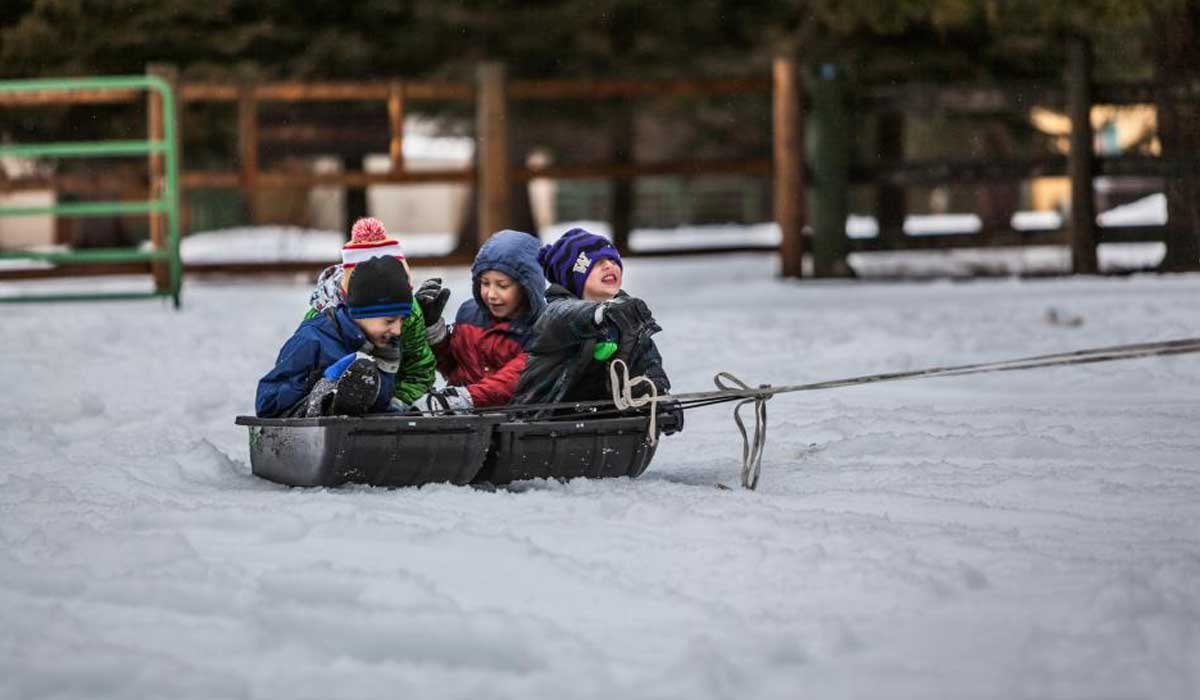
Winter travel can be beautiful, but heavy snow, freezing temperatures, icy roads, limited daylight, and temporary closures can turn an ambitious itinerary into a difficult journey.
Before traveling during winter, check forecasts and road conditions and make sure your vehicle and clothing are appropriate. Build flexibility into the itinerary so that a storm does not force you to continue driving or hiking when conditions become unsafe.
Travelers who enjoy winter scenery can compare destinations through guides such as Poconos winter destinations and U.S. winter travel ideas.
12. Crowded Attractions When You Have No Flexible Schedule
Overcrowding is not necessarily a safety emergency, but it can significantly reduce the quality of a vacation. Major attractions can experience heavy traffic, long queues, limited parking, expensive accommodation, and packed viewing areas during peak periods.
If your schedule is rigid, research expected demand before choosing a destination. Sometimes visiting during shoulder season or choosing a nearby alternative can provide a more comfortable experience.
For example, travelers interested in California can explore San Diego travel ideas and Southern California during winter rather than building an itinerary around only the most crowded attractions.
How to Decide Whether a US Destination Is Right for You
Instead of asking whether a place belongs on a permanent “do not visit” list, evaluate several practical factors before booking.
Check the Season
Temperature, storms, snowfall, wildfire conditions, flooding, and daylight hours can dramatically affect a destination. A place that works well in spring may be much harder during midsummer or winter.
Research the Exact Area
Do not judge an entire state or city from a general reputation. Identify the exact neighborhood, trail, attraction, road, park section, or accommodation area you intend to use.
Match the Activity to Your Experience
A scenic overlook and a backcountry hike are not equivalent activities. Choose routes and activities that match your experience, physical preparation, equipment, and comfort level.
Check Current Conditions
Weather, road closures, trail conditions, wildfire activity, flooding, and temporary restrictions can change quickly. Check current information shortly before departure and again before beginning an outdoor activity.
Have a Backup Plan
A flexible itinerary can make travel safer and less stressful. If a trail closes or severe weather arrives, having another activity available means you do not have to take unnecessary risks simply to preserve the original schedule.
Safer Alternatives to a Difficult Itinerary
If your original destination seems too demanding for your current plans, you do not necessarily need to cancel the entire vacation. Consider shortening the route, choosing a developed visitor area, booking a guided activity, changing the season, or selecting a nearby destination.
For travelers interested in family-oriented travel, Kentucky destinations for families can provide another planning direction. Travelers looking toward the Northeast can explore New England summer destinations, while those interested in the South can research Texas destinations for adults.
Final Thoughts on the US List of Places Not to Visit
The United States does not have a simple permanent list of places that every traveler should avoid. The better approach is to recognize that destination suitability depends on conditions, timing, experience, preparation, and personal travel goals.
Extreme desert heat, demanding canyon hikes, geothermal hazards, remote wilderness, severe winter weather, coastal storms, and poorly planned nighttime exploration can all create situations where a trip becomes unnecessarily risky.
That does not mean these destinations should automatically be removed from every itinerary. It means travelers should understand the conditions before going, follow local safety instructions, respect closures and warnings, and be willing to change plans when circumstances change.
If you are still building your itinerary, compare multiple destination guides rather than relying on a single “places not to visit” list. Resources covering Upstate New York, Phoenix, and the Midwest in fall can help you identify destinations that better match your preferred season and travel style.
The best travel plan is not necessarily the one with the most famous destinations. It is the one that matches the traveler, the season, the conditions, and the level of preparation required.