
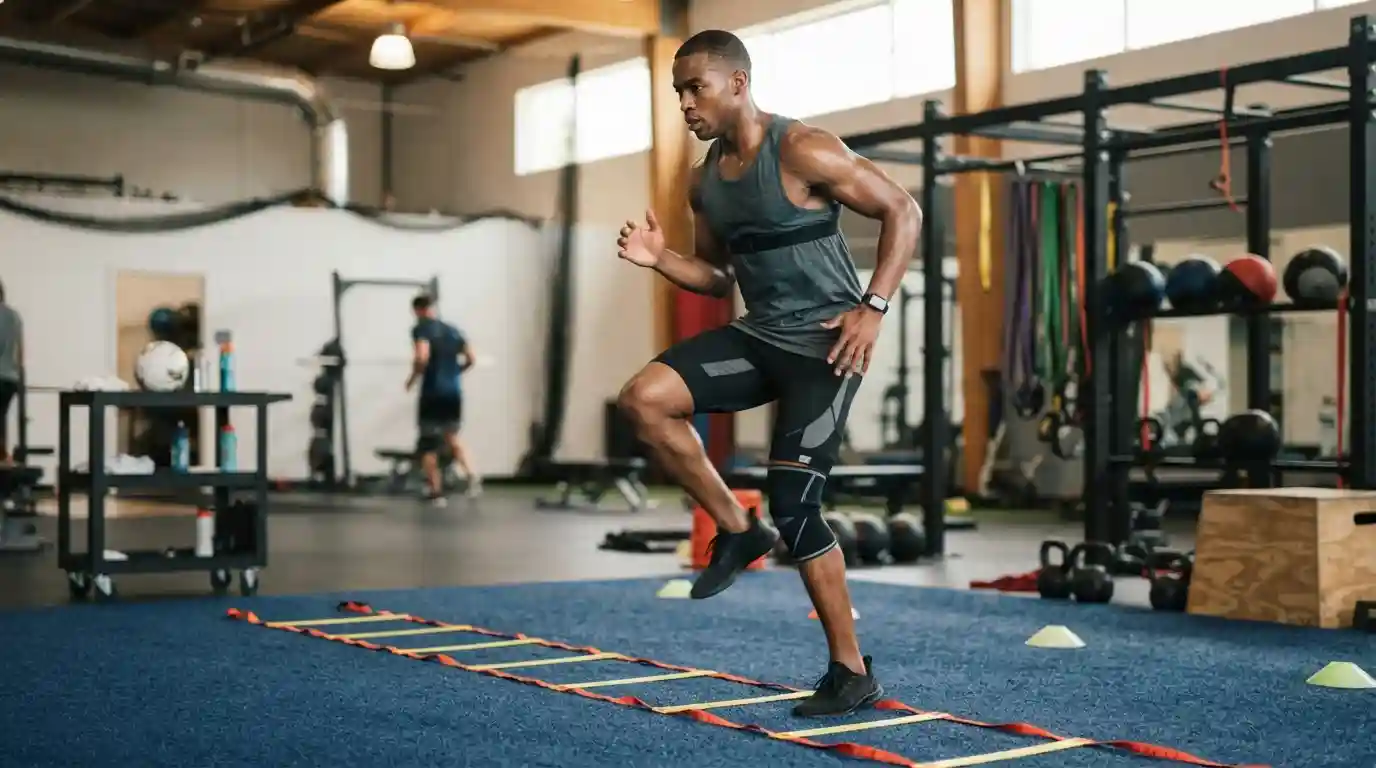
Whether you are beginning a new fitness routine, improving a specific sporting skill, or looking for better equipment, the key is to evaluate products and programs according to your actual goals. This guide explores the areas associated with Burlingham Sports while also explaining what athletes should consider when building a more effective performance strategy.
For readers interested in broader athletic topics, Tahari Sport and NTL Sports provide useful comparisons within the wider sports-content cluster.
What Is Burlingham Sports?
Burlingham Sports is described as a sports-oriented platform focused on athletic equipment, training programs, performance technology, and athlete support. Its positioning combines physical products with training and performance concepts rather than treating sporting equipment as an isolated purchase.
This broader approach is important because athletic performance rarely depends on one piece of equipment alone. Training consistency, technique, physical conditioning, recovery, and appropriate gear all contribute to an athlete’s overall experience.
For anyone researching a sports brand, it is useful to look beyond marketing language and assess practical factors such as equipment specifications, intended use, durability, comfort, safety considerations, coaching credentials, membership terms, and customer support.
Sports Equipment and Performance Gear
Sports equipment is one of the most important areas to evaluate when developing an athletic routine. The right gear should match the sport, the athlete’s experience level, body mechanics, training environment, and frequency of use.
Equipment can range from sport-specific items to protective accessories and general training tools. A tennis player, runner, cyclist, basketball player, and strength athlete will naturally have very different equipment requirements.
Before purchasing any product, consider:
- The sport or activity the equipment is designed for.
- Fit, comfort, and ease of movement.
- Material quality and expected durability.
- Safety and protective features.
- Maintenance requirements.
- Whether the product suits your current skill level.
- Whether the cost makes sense for your training frequency.
Athletes looking for additional inspiration can also explore Burlingham Sports alongside other sports-focused resources available on PathVoice.
Why the Right Training Approach Matters
Equipment alone cannot replace structured training. A useful athletic program should have a clear objective and a progression that matches the participant’s current abilities.
For beginners, this may mean establishing basic movement patterns, improving mobility, and developing consistency. More experienced athletes may focus on sport-specific conditioning, speed, strength, endurance, technique, or competition preparation.
Personalized coaching can also help athletes identify weaknesses and adjust their routines. Instead of repeatedly performing the same exercises, a structured approach allows training volume, intensity, and recovery to change according to progress.
If your primary goal is improving body composition alongside athletic performance, tips for building a lean body can complement a broader performance plan. Those interested specifically in strength development may also benefit from exploring bodybuilding trainer guidance.
Performance Technology in Modern Sports
Technology has become increasingly integrated into athletic training. Wearable devices, activity trackers, motion sensors, digital training platforms, and other tools can provide information that helps athletes understand their routines.
Depending on the technology, athletes may be able to monitor metrics such as workout duration, heart rate, distance, pace, repetitions, or other performance indicators.
The most useful technology is not necessarily the device with the largest number of features. Instead, athletes should choose tools that provide information they can actually understand and use.
Technology can be particularly helpful when it supports rather than replaces sound coaching and practical judgment. Data should be interpreted within the context of the athlete’s goals, training history, and recovery needs.
For readers interested in technology more broadly, responsive-device testing offers another perspective on how devices can be evaluated for practical performance and usability.
Safety Should Be Part of Every Training Plan
Athletic improvement should not come at the expense of safety. Proper equipment, appropriate progression, warm-ups, recovery, and attention to technique all play important roles in reducing avoidable training problems.
Protective equipment should be selected according to the sport and the risks involved. Fit is particularly important because equipment that is uncomfortable or poorly fitted may interfere with movement and concentration.
Athletes should also avoid increasing training intensity too quickly. Progression should give the body sufficient time to adapt, particularly after a long period of inactivity.
Sports that involve greater physical risk require additional preparation. PathVoice’s guide to daring sports provides broader context for activities where preparation and appropriate equipment are especially important.
Building Strength, Speed, and Endurance
Different sports require different combinations of physical qualities. Some athletes need explosive power, while others depend heavily on endurance, coordination, agility, or technical precision.
A balanced athletic program can include several training components:
- Strength training: Develops the ability to produce force and support demanding movements.
- Conditioning: Helps improve the ability to sustain physical activity.
- Mobility work: Supports useful ranges of motion and movement quality.
- Skill practice: Develops sport-specific technique and coordination.
- Recovery: Gives the body time to adapt to training demands.
Cardiovascular activities can also provide an accessible foundation. Regular jogging, for example, can support general fitness when incorporated appropriately into an individual’s routine. PathVoice’s morning jogging guide explores the activity from a general wellness perspective.
Choosing Equipment for Different Sports
The best equipment depends heavily on the activity. A product that works well for one sport may be unsuitable for another, which is why athletes should avoid choosing gear solely because it is popular or visually appealing.
Tennis and Racquet Sports
Racquet selection can influence comfort, control, and handling. Factors such as weight, grip size, balance, and playing style should be considered when selecting equipment.
Team Sports
Team-sport athletes may need footwear, protective equipment, training accessories, and sport-specific gear. The requirements can vary considerably depending on the position and playing environment.
Sports enthusiasts can also explore PathVoice’s coverage of women’s hockey competition in the USA for another example of organized athletic competition.
Cycling
Cyclists need equipment that supports both performance and safety. Helmet fit, visibility, bicycle setup, clothing, and route conditions all deserve attention.
Readers interested in cycling events can explore the site’s coverage of a cycling competition in Spain.
How to Evaluate a Sports Brand
When researching a sports company or equipment provider, it is useful to create a simple evaluation checklist rather than relying entirely on promotional claims.
Product Quality
Look at construction, materials, specifications, expected use, and available product information. If safety equipment is involved, check that the product is appropriate for its intended activity.
Training Credentials
If a company provides coaching or training programs, investigate the qualifications and experience of the coaches. A professional presentation should be supported by clear information about the people delivering the service.
Customer Support
Good customer service can be particularly important when buying technical sports equipment. Clear policies, responsive communication, warranty information, and straightforward returns can make the purchasing process easier.
Pricing and Membership Terms
If a service uses memberships or recurring payments, review the pricing structure carefully. Understand what is included, how billing works, cancellation terms, and whether additional costs apply.
These checks are useful whether you are evaluating Burlingham Sports or another athletic provider.
Sports Gadgets and Training Accessories
Modern athletes have access to an expanding range of sports gadgets. Some tools are designed for tracking performance, while others make workouts more convenient or help athletes organize their routines.
The most useful accessory is one that solves a specific problem. Before buying a gadget, ask whether it provides information or functionality that will genuinely improve your training experience.
PathVoice also covers broader gadget topics, including how to choose a gadget that suits your budget and how to evaluate upcoming gadgets.
Creating a More Effective Athletic Routine
A sustainable training routine should be realistic enough to maintain over time. Athletes sometimes make the mistake of creating highly demanding schedules that are difficult to follow consistently.
A better approach is to establish measurable goals and build gradually. For example, a runner may work toward a specific distance, while a strength athlete may focus on technique and progressive resistance.
Keep track of your progress, but avoid treating every workout as a test. Recovery and consistency are just as important as intensity.
Nutrition can also support an active lifestyle. Basic dietary habits should complement training rather than become unnecessarily complicated. PathVoice’s guide to eating properly provides another general resource for readers working on healthier routines.
Community Can Improve Athletic Motivation
Training with other people can make physical activity more engaging. A supportive sports community can provide accountability, shared goals, practical advice, and friendly competition.
For some athletes, community participation also creates opportunities to discover new sports. Trying different activities can improve general fitness while preventing training from becoming repetitive.
Those interested in more adventurous athletic activities can explore resources about daring sports, while readers looking for broader outdoor inspiration may enjoy beach activities and relaxation.
Is Burlingham Sports Right for Your Athletic Goals?
Whether Burlingham Sports is suitable for you depends on what you need from a sports provider. Someone searching for equipment may prioritize product specifications, durability, fit, and price. An athlete looking for training may focus more heavily on coaching structure, program flexibility, and measurable progress.
The best decision comes from comparing your objectives with the actual products and services available. Avoid choosing equipment or training programs simply because they sound advanced. Look for clear information that demonstrates how the offering fits your particular needs.
It can also be helpful to compare several athletic resources before committing. PathVoice’s coverage of Tahari Sport, NTL Sports, and other sports-related topics can help readers explore different aspects of athletic performance.
Final Thoughts
Burlingham Sports represents a broad athletic concept built around equipment, training, performance technology, and athlete support. The bigger lesson for athletes is that better performance comes from combining appropriate equipment with structured training, sensible progression, safety, recovery, and consistency.
Whether you are a beginner establishing a fitness routine or an experienced athlete refining your performance, take time to understand what you actually need before investing in equipment or programs. A thoughtful approach makes it easier to separate useful athletic tools from features that simply sound impressive.
With clear goals, appropriate gear, consistent practice, and a commitment to sustainable progress, athletes can create a training environment that supports long-term improvement rather than chasing short-term results.