
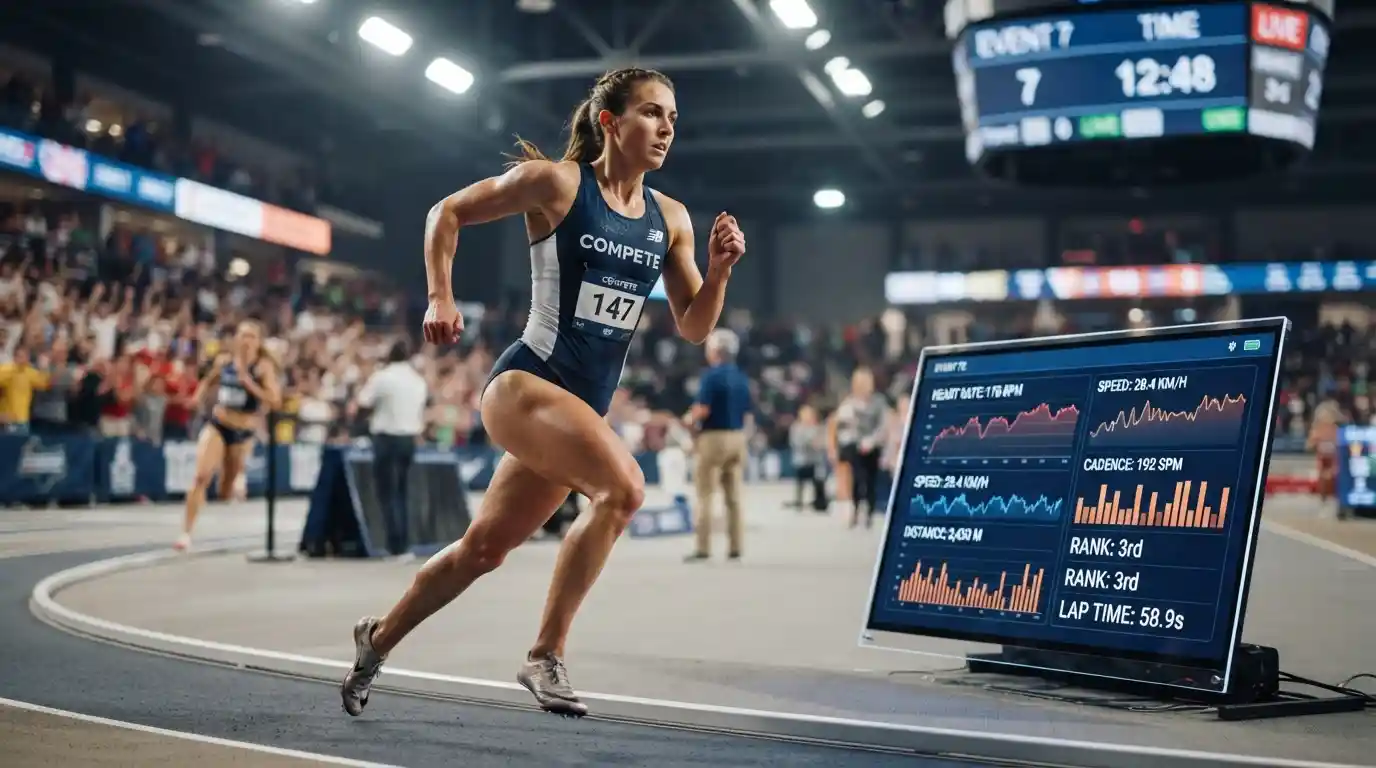
Whether you are interested in competitive gaming, organized tournaments, fitness development, or simply following sporting activity, understanding what a platform like NTL Sports offers can help you decide how it fits into your routine. The most useful approach is to look beyond the excitement and consider the practical elements: accessibility, performance information, competition structure, community features, and responsible participation.
This guide explores the main characteristics associated with NTL Sports and explains how sports enthusiasts can approach digital competition more effectively.
What Is NTL Sports?
NTL Sports is presented as a digital sports platform built around competitive participation and sports engagement. Its overall concept combines the excitement of competition with tools intended to help users follow activity, review performance, and interact with other enthusiasts.
The appeal of this type of platform comes from the combination of information and participation. Instead of treating sports as something users only watch, digital sports environments can encourage people to become more involved through rankings, statistics, competitions, community discussions, and performance-oriented features.
For readers interested in developing their physical performance as well as their competitive mindset, resources such as bodybuilding trainer guidance can complement a broader sports-focused routine.
Why Competitive Sports Platforms Are Becoming More Popular
Technology has changed the way people experience sports. Smartphones, responsive websites, live data, digital communities, and performance dashboards have made it easier to remain connected with competitions throughout the day.
A modern sports platform can provide several layers of engagement. A user might follow a competition, compare performance statistics, discuss a match with other fans, or use available information to identify areas that need improvement.
This digital approach is particularly appealing to people who enjoy measurable progress. Instead of relying entirely on memory or subjective impressions, performance information can help competitors recognize patterns and establish more focused goals.
Sports technology also overlaps with broader technology trends. Readers interested in the technical side of digital experiences can explore responsive device testing to understand why cross-device compatibility matters for modern platforms.
Key Features to Look for in NTL Sports
The value of any digital sports platform depends on how effectively its features support the user’s actual goals. Several areas are especially important when evaluating an experience such as NTL Sports.
1. Competitive Opportunities
Competition is at the heart of sports. Tournaments, rankings, challenges, and structured events can give participants clear objectives and measurable milestones.
A well-organized competitive environment can also make participation more engaging because users have something specific to work toward. Instead of simply playing without direction, competitors can focus on improving their results and progressing through defined stages.
Readers interested in the broader world of athletic competition can also explore daring sports and competitive activities for a wider perspective on how different sports create excitement and challenge.
2. Performance Tracking
Performance tracking is one of the most useful concepts in competitive sports. Statistics can help athletes identify strengths, weaknesses, consistency issues, and areas that deserve additional attention.
For example, instead of simply knowing that a competitor performed poorly in one event, detailed information may help identify whether the problem involved consistency, decision-making, endurance, timing, or another measurable factor.
This approach creates a feedback loop: compete, review performance, identify an opportunity for improvement, train, and compete again.
Fitness-focused readers may also benefit from practical tips for developing a lean body, particularly when physical conditioning is part of their wider competitive goals.
3. Real-Time Information
Timely information can make a significant difference in sports engagement. Live updates can help users stay aware of matches, results, schedules, rankings, and other developments without having to search repeatedly for information.
Real-time information is particularly valuable during tournaments because events can move quickly. A platform that presents information clearly can make it easier for users to understand what is happening and remain engaged with an ongoing competition.
4. Community Interaction
Sports are naturally social. Athletes compete against one another, coaches share knowledge, and fans exchange opinions and experiences.
Digital communities can extend that interaction beyond the physical venue. Discussion areas, live conversations, shared strategies, and user feedback can create a stronger sense of participation.
A healthy sports community should encourage constructive discussion rather than turning every disagreement into unnecessary conflict. Respect for competitors and responsible communication are important parts of any sustainable competitive environment.
How Analytics Can Improve Competitive Performance
Analytics are increasingly important across modern sports. Even basic statistics can reveal information that is difficult to recognize during active competition.
Suppose a competitor repeatedly performs well during the early stages of an event but loses consistency later. Performance records may encourage that person to examine endurance, preparation, pacing, or concentration.
Similarly, a player may discover that a particular strategy produces better results against certain opponents. Tracking those outcomes over time can support more informed decision-making.
The goal of analytics should not be to overwhelm competitors with numbers. Instead, useful statistics should answer practical questions:
- What am I doing well?
- Where am I losing consistency?
- Which strategies produce better results?
- What should I practice next?
- Am I improving over time?
This data-driven approach can be applied across many sports. For example, readers interested in athletic development can also review the benefits of morning jogging as part of a broader fitness routine.
NTL Sports and Tournament Participation
Tournaments introduce an additional level of intensity because competitors have a defined objective and a limited opportunity to perform.
Successful tournament participation requires more than technical ability. Preparation, concentration, emotional control, time management, and strategic thinking can all influence performance.
Competitors should therefore approach tournaments with a clear plan. Reviewing previous performances, identifying common mistakes, and setting realistic goals can make preparation more productive.
The competitive environment can also be useful for measuring progress. A participant may discover that skills that seemed difficult several months ago become routine after consistent practice.
For readers interested in another competitive discipline, women’s hockey competition in the USA provides an example of how organized competition combines athletic ability, teamwork, strategy, and pressure.
The Importance of Accessibility Across Devices
Modern users expect digital platforms to work smoothly across smartphones, tablets, laptops, and desktop computers. Sports platforms are no exception.
Responsive design allows users to move between devices without losing access to important information. This is especially useful when following competitions while traveling or when users do not have access to their primary computer.
Good mobile usability should include readable text, intuitive navigation, fast-loading pages, appropriately sized controls, and layouts that adapt to different screen sizes.
These principles are also relevant to other digital experiences. Readers exploring technology can learn more from Windows features and useful technology tricks.
Building a Better Competitive Routine
A digital sports platform is most useful when it becomes part of a broader routine rather than replacing preparation itself.
A practical competitive routine can include five stages:
- Set a measurable goal. Decide what you want to improve.
- Practice consistently. Focus on skills that directly support the goal.
- Compete regularly. Use structured competition to test your progress.
- Review performance. Examine results and identify recurring problems.
- Adjust your approach. Use what you learned to improve the next training cycle.
This process helps turn competition into a learning experience. Winning can provide confidence, while losing can provide information about what needs additional work.
Those working on general fitness can also explore healthy breakfast ideas and healthy eating practices as complementary parts of a balanced routine.
Technology and the Future of Sports Engagement
Sports technology continues to evolve. Artificial intelligence, wearable devices, cloud computing, real-time analytics, mobile applications, and connected platforms are changing how people train and follow competition.
These developments could make performance information increasingly accessible to amateur athletes as well as professionals.
Technology can also make sports communities more connected. A competitor in one location may be able to communicate with another competitor elsewhere, compare approaches, and participate in events that would previously have been difficult to access.
For technology enthusiasts, the wider development of connected digital experiences is also visible in topics such as network technology and connectivity.
Responsible Participation Matters
Excitement should never replace good judgment. Competitive digital platforms can encourage users to spend significant amounts of time following events, interacting with communities, or pursuing higher rankings.
Maintaining balance is therefore important. Users should establish reasonable limits, protect their account information, use strong passwords, and avoid sharing unnecessary personal details.
Competitive activity should also remain enjoyable. A ranking or result can be useful feedback, but it should not become the only measure of progress.
NTL Sports Compared With Traditional Sports Experiences
Traditional sports provide physical interaction, face-to-face teamwork, coaching, and the atmosphere of a live venue. Digital platforms offer different advantages, including accessibility, information availability, online communities, and convenient performance tracking.
The two experiences do not necessarily need to compete with one another. Digital tools can support traditional training by helping athletes monitor progress and stay connected with sports communities.
For people who enjoy both fitness and competitive entertainment, this combination can create a more complete sports lifestyle.
Those interested in broader sporting experiences can also explore cycling competition in Spain and Burlingham Sports for additional perspectives on competition and athletic performance.
Who Can Benefit From a Sports Platform?
A digital sports platform can appeal to several types of users.
Competitive Athletes
Athletes can use performance information and competition structures to identify areas for improvement and measure progress over time.
Sports Enthusiasts
Fans who enjoy following competitions can benefit from easier access to sports information, rankings, discussions, and updates.
Fitness-Minded Users
People building healthier routines can use sports content as motivation while combining competitive interests with physical activity.
Technology Enthusiasts
Users interested in sports technology may appreciate the way digital platforms combine data, responsive interfaces, analytics, and community features.
How to Get More Value From Competitive Sports Content
Simply consuming sports information is not always enough to produce meaningful improvement. The information becomes more useful when it is converted into action.
Start by choosing one or two measurable objectives. Instead of trying to improve everything simultaneously, focus on a specific weakness. Track relevant results, compare performance across multiple sessions, and make small adjustments.
It is also helpful to combine digital information with practical training. A performance dashboard may show that a particular area needs improvement, but actual practice is what turns that insight into a new skill.
For people interested in physical conditioning, different demanding sports can also provide inspiration for setting new activity goals.
Final Thoughts on NTL Sports
NTL Sports represents the broader shift toward digitally connected sports experiences where competition, information, performance tracking, and community interaction can exist together.
The strongest value of a platform like this comes from using its features with a clear purpose. Competition can provide motivation, analytics can reveal patterns, community interaction can provide knowledge, and technology can make sports information easier to access.
At the same time, users should maintain realistic expectations and treat digital tools as part of a broader sports routine. Consistent practice, physical preparation, strategic thinking, responsible participation, and continuous learning remain essential.
For anyone exploring the relationship between sports, fitness, technology, and competition, NTL Sports provides an interesting example of how digital platforms are becoming increasingly connected to the modern sporting experience.