
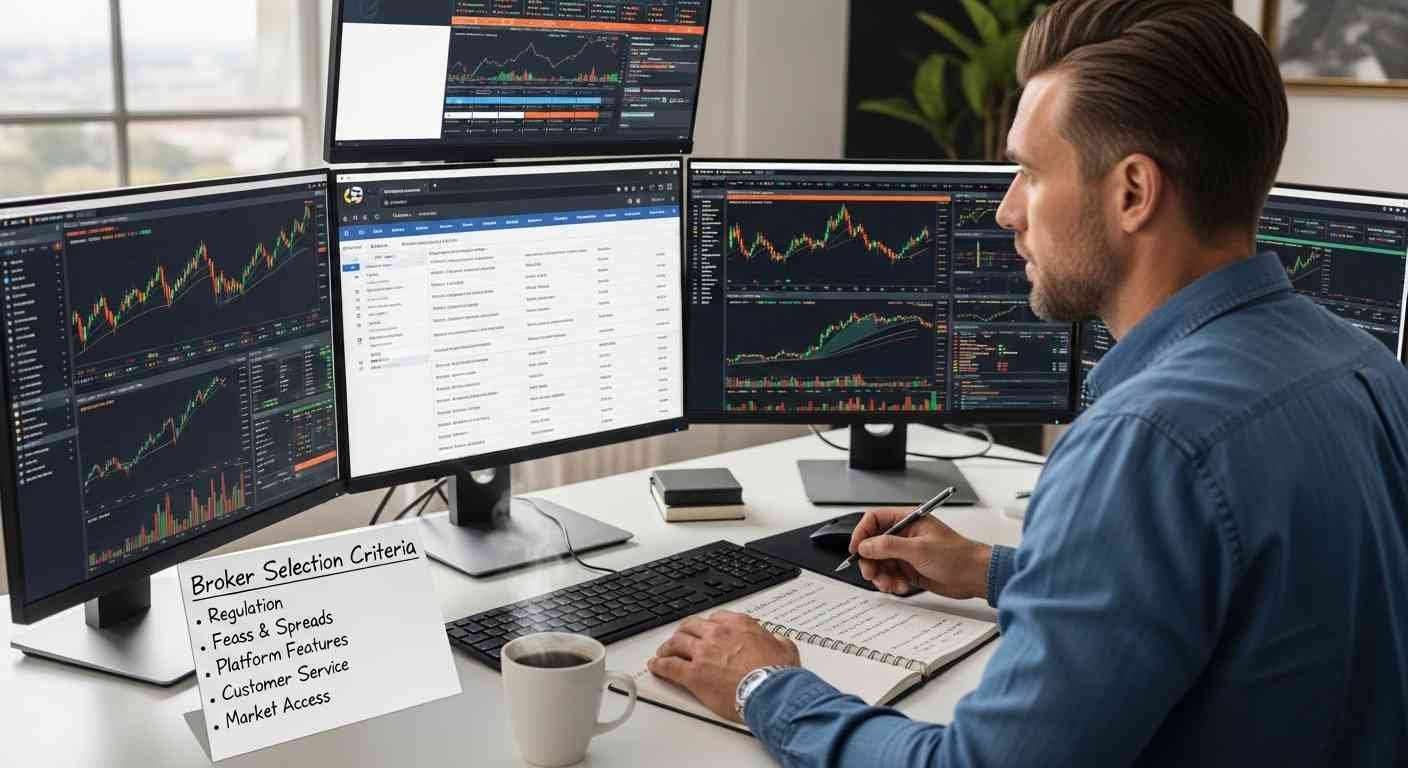
The Market Context
Retail trading has evolved rapidly, driven by the convergence of low-latency infrastructure and real-time market data. The traditional barriers to entry have diminished as cloud-based platforms and mobile-first solutions enable individual traders to access institutional-grade tools. This shift necessitates a more analytical approach to evaluating brokers beyond marketing claims, emphasizing transparency and operational rigor. Understanding market microstructure, liquidity access, and execution methodology is now central to selecting a trading partner that aligns with strategic objectives.
Regulatory Infrastructure
Licensing frameworks serve as the foundational metric for brokerage reliability. Traders must assess the jurisdictional oversight of potential brokers, including adherence to fund segregation protocols, periodic audits, and capital adequacy requirements. Regulatory compliance not only mitigates counterparty risk but also ensures recourse mechanisms in the event of operational failure. The presence of multiple licenses across jurisdictions is often indicative of a firm’s commitment to standardized risk and compliance frameworks.
The Latency Equation
Execution speed and slippage significantly influence trading outcomes, particularly for strategies sensitive to microsecond delays. High-frequency order routing, direct market access, and colocated servers reduce latency exposure, while inconsistent fill quality can erode profitability. Evaluating historical execution reports, average order-to-fill times, and the robustness of aggregation algorithms allows traders to quantify operational efficiency. Brokers that prioritize latency transparency provide measurable performance data rather than relying solely on marketing metrics.
“Institutional-grade execution is no longer exclusive to Wall Street; platforms like reliable trading platform are bridging the gap for retail traders through low-latency aggregation.”
User Experience Protocols
User interface design is increasingly critical as retail traders manage multi-asset portfolios across devices. Platforms that offer responsive mobile applications, integrated charting libraries, and real-time analytics enable seamless decision-making under market stress. Additionally, the quality of technical support, ease of navigation, and API availability influence overall usability. Objective evaluation should focus on task efficiency metrics, including order entry speed, chart customization flexibility, and multi-device synchronization fidelity.
Risk Management Features
Effective risk management infrastructure is non-negotiable for sustainable trading. Mechanisms such as negative balance protection, guaranteed stop-loss orders, and margin monitoring reduce exposure to extreme market events. Traders must assess the granularity of risk controls, including position limits, margin call notifications, and scenario simulation tools. Platforms that quantify systemic and idiosyncratic risks through stress-testing protocols offer measurable safeguards, providing a data-driven lens for capital preservation.
Hidden Fees Audit Checklist
Fee structures often conceal indirect costs that impact net returns. Traders should systematically audit spreads, overnight funding charges, inactivity penalties, and slippage-related expenses. Conducting a transaction-level analysis over representative market conditions can reveal cumulative cost implications. Implementing a standardized checklist ensures that fee transparency is objectively verified, preventing unanticipated erosion of capital and supporting informed broker selection.
Future Outlook
Artificial intelligence and algorithmic automation are projected to further reshape retail trading infrastructure by 2026. Predictive analytics, adaptive execution strategies, and AI-driven risk monitoring will reduce latency constraints and enhance trade precision. As machine learning models integrate seamlessly into front-end platforms, the distinction between institutional and retail capabilities will continue to blur. Traders should prepare to evaluate brokers not only on current performance metrics but also on their technological adaptability and forward-looking infrastructure strategies.