For a homeowner, TIV may involve the value of a building and its contents. For a business, the calculation can be considerably broader and may include buildings, machinery, equipment, stock, furniture, improvements, and other property covered by the policy. Depending on the insurance arrangement, business income or other covered exposures may also form part of the overall valuation.
Getting TIV right matters because an inaccurate valuation can create two very different problems. A value that is too low may leave an organization exposed after a major loss, while an unnecessarily high value can result in paying for more insurance capacity than is actually required.
This guide explains what TIV means, how it is calculated, what can be included, how it affects premiums and claims, and how property owners and businesses can keep their insurance values up to date.
What Does TIV Mean in Insurance?
TIV means Total Insurable Value. In simple terms, it is the combined value of the property and covered exposures that an insurance policy is intended to protect.
The exact components of TIV can vary according to the policy, type of property, insurer, and coverage structure. However, the concept is generally designed to give the insurer a realistic picture of the financial value exposed to a covered loss.
For example, a commercial property owner may need to consider:
- The building itself
- Machinery and equipment
- Furniture and fixtures
- Business inventory
- Tenant improvements or building improvements
- Outdoor property or additional structures
- Other property specifically included by the policy
- Business income exposure where applicable
Because different policies define covered property differently, TIV should not automatically be treated as the same thing as the property’s market value or its purchase price.
Why Is Total Insurable Value Important?
TIV helps insurers understand the size of the exposure they are taking on. It can therefore influence underwriting, policy limits, premiums, deductibles, and the way certain property insurance conditions operate.
For a property owner, the most important issue is accuracy. If the amount used for insurance purposes does not reasonably reflect the cost or value of the property that needs protection, the policy may not provide the expected financial protection after a serious loss.
This is particularly important for businesses with multiple locations, large inventories, specialized machinery, or rapidly changing replacement costs.
Business owners reviewing their broader financial exposure may also benefit from understanding topics such as financial services revenue streams and business services revenue streams, because insurance protection is only one part of overall financial risk management.
TIV vs. Property Market Value
One of the most common misunderstandings is assuming that TIV is simply the market value of a property.
That is not necessarily the case.
Market value reflects what a property might sell for under particular market conditions. Insurance valuation can instead focus on the amount needed to repair, rebuild, replace, or otherwise restore covered property according to the terms of the policy.
For example, land can contribute substantially to the market value of a property, but land itself may not need to be rebuilt after a fire. Meanwhile, construction materials, labor, specialized equipment, debris removal, and other expenses can influence the amount needed to restore a property.
This distinction is one reason property owners should not simply copy a property’s purchase price into an insurance valuation.
What Can Be Included in TIV?
The components of TIV depend on the insurance policy and the type of property being insured. A commercial property may have a much more complicated valuation than a small residential property.
Buildings
The building is often one of the largest components of an insurance valuation. The relevant figure may need to account for the cost of rebuilding or repairing the structure rather than simply its current market selling price.
Construction materials, labor, architectural work, permits, demolition, debris removal, and other applicable costs can affect the amount required to restore a damaged building.
Contents and Equipment
Businesses may have substantial value tied up in equipment, computers, machinery, furniture, fixtures, tools, and other operational assets.
Specialized equipment can be particularly important because replacement costs may differ significantly from the original purchase price.
Inventory
Retailers, manufacturers, distributors, and other businesses may need to account for inventory when determining their total exposure.
Inventory levels can change throughout the year, which means a valuation that was accurate several years ago may no longer represent the actual exposure.
Improvements and Additional Structures
Property improvements, additions, detached structures, storage areas, specialized installations, and other covered property can also affect the total insured value.
Businesses operating from leased premises should pay particular attention to which improvements are their responsibility and which assets are covered under their own insurance arrangement.
Business Income Exposure
Some commercial insurance arrangements also consider business income exposure when establishing the overall amount at risk. This is especially relevant when a physical loss could interrupt normal operations.
Understanding the financial side of business risk can also be useful when reviewing financial services growth strategies or business services growth strategies.
How Is TIV Calculated?
There is no single universal formula that applies to every insurance policy. The calculation depends on what is being insured and how the policy defines covered property.
A simplified approach may look like this:
TIV = Building Value + Contents + Equipment + Inventory + Other Covered Property + Applicable Additional Exposures
The numbers used in this calculation should be based on an appropriate valuation method rather than rough estimates.
For example, imagine a small manufacturing company has:
- A building valued for insurance purposes at $1.8 million
- Machinery worth $900,000
- Inventory of $500,000
- Furniture, computers, and other equipment worth $150,000
- Other covered property worth $100,000
The combined property exposure would be approximately $3.45 million before considering any additional policy-specific exposures or valuation adjustments.
The actual insurance arrangement may use different valuation methods, limits, deductibles, or conditions, so this type of calculation should be treated as an illustration rather than a universal insurance formula.
Replacement Cost and TIV
Replacement cost can be an important consideration when establishing an appropriate insurance valuation.
The cost of rebuilding a structure can change because of construction labor, materials, transportation, code requirements, contractor availability, and other factors. A building that cost a certain amount to construct several years ago may require substantially more money to rebuild today.
This is why simply relying on an old construction figure can create a valuation gap.
Property owners should also distinguish replacement cost from actual cash value. Actual cash value generally accounts for depreciation, while replacement-cost coverage is designed around the cost of replacing or repairing covered property subject to the policy’s terms and limits.
Does TIV Affect Insurance Premiums?
Yes, TIV can influence the amount of insurance premium because it helps represent the level of property exposure being insured.
A larger insured exposure can mean that the insurer is potentially responsible for a larger loss, although premium pricing is influenced by many factors beyond TIV.
These factors can include:
- Property location
- Construction type
- Occupancy
- Loss history
- Deductibles
- Security and fire protection
- Coverage terms
- Industry or business activity
- Risk management practices
- Policy limits and endorsements
Therefore, increasing or decreasing TIV should not be viewed as a simple way to reduce premiums. The goal should be to establish an accurate valuation that reasonably matches the exposure the policy is intended to protect.
Businesses evaluating their wider financial strategy may also find related discussions about business service investment returns and business services and ROI useful when considering how risk protection fits into broader operating costs.
What Happens If TIV Is Too Low?
Underestimating TIV can create a serious coverage problem.
Suppose a company believes its building, equipment, and inventory represent a $2 million exposure, but the actual amount required to replace the covered property after a major loss is closer to $2.8 million.
The company could face a substantial financial gap depending on the policy’s terms, limits, valuation conditions, and applicable coverage provisions.
This is why businesses should not treat TIV as a number that can remain unchanged indefinitely.
Construction costs, inventory, equipment, business expansion, renovations, and other changes can alter the exposure over time.
What Happens If TIV Is Too High?
Overestimating TIV can create a different problem.
If the insured value is significantly higher than the actual exposure, the policyholder may be paying for insurance capacity that is not necessary for the covered property.
A higher TIV does not automatically mean that every claim will result in a larger payment. Claims are generally governed by the actual policy language, applicable limits, valuation provisions, deductibles, exclusions, and the amount of covered loss.
The objective should therefore be accuracy rather than simply choosing the highest possible number.
TIV and Insurance Claims
TIV can become particularly important when a major property loss occurs.
Consider a business with a building, equipment, and inventory that are collectively insured based on a stated valuation. A serious fire then causes extensive damage.
The final claim settlement will depend on the policy’s terms and the nature of the loss. However, an inaccurate property valuation can make the claim process more complicated and may expose the policyholder to unexpected costs.
Policyholders should remember that TIV is not necessarily the amount an insurer will automatically pay on every claim. A policy may contain separate limits for specific categories of property, deductibles, sublimits, coinsurance provisions, exclusions, and other conditions.
How Coinsurance Can Make Accurate Valuation More Important
Some property insurance policies contain coinsurance provisions that require the insured to carry insurance equal to a specified percentage of the property’s applicable value.
If the insured carries significantly less coverage than required under such a provision, the amount payable for certain losses may be reduced according to the policy’s calculation.
This is one reason accurate property valuation should be treated as an important part of insurance planning rather than a routine administrative number.
For businesses dealing with complex financial exposure, reviewing business investment and ROI considerations can also help put insurance costs into the context of broader operating decisions.
TIV in Commercial Insurance
TIV is especially relevant to commercial property insurance because businesses can have multiple types of insured assets.
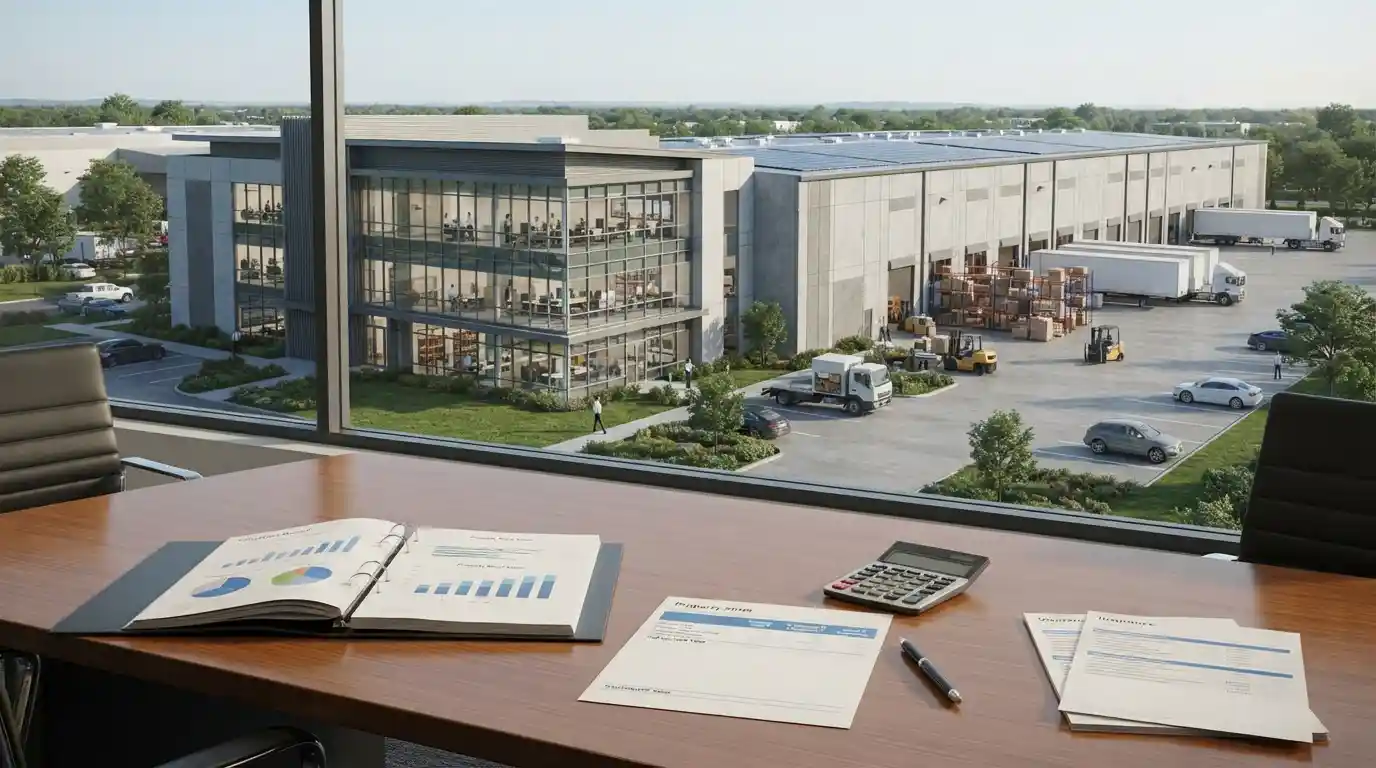
A manufacturing facility, for example, may have a building, production equipment, raw materials, finished goods, office furniture, computers, specialized installations, and other property.
A retailer may have a different exposure involving its building improvements, fixtures, stock, point-of-sale equipment, and other business property.
A company with multiple locations can have an even more complex valuation because each location may have different construction characteristics, inventories, equipment, and risks.
Businesses can also experience significant financial consequences when property damage interrupts normal operations. That makes accurate exposure assessment an important part of wider business continuity planning.
TIV for Residential Property
The same general concept can apply to residential insurance, although the calculation may be less complicated than for a large commercial operation.
A homeowner may need to consider the dwelling, personal property, detached structures, and other covered assets according to the policy.
Homeowners should not automatically use the property’s real estate market value as the insurance value. The amount needed to rebuild a home can differ from its market value because land value, location, local demand, and other market factors do not necessarily correspond to rebuilding costs.
Regularly reviewing coverage becomes particularly important after renovations, additions, major purchases, or significant changes in construction costs.
Common TIV Calculation Mistakes
Using the Original Purchase Price
The price paid for a property may not represent the amount required to rebuild or replace the covered property.
Ignoring Construction Cost Changes
Labor and material costs can change significantly over time. An outdated valuation may therefore underestimate the amount required to restore a property.
Forgetting Equipment
Businesses sometimes focus on the building while overlooking machinery, technology, furniture, tools, and specialized equipment.
Underestimating Inventory
Inventory can fluctuate considerably, particularly for seasonal businesses. Using a low point rather than a realistic exposure level can create problems.
Failing to Include Improvements
Renovations and upgrades can increase the amount of property that needs protection.
Never Reviewing the Valuation
One of the biggest mistakes is treating TIV as a permanent figure. Business operations and property values change, so insurance valuations should be reviewed when material changes occur.
How Often Should TIV Be Reviewed?
There is no universal schedule that fits every policy, but an annual review is a sensible starting point for many property owners and businesses.
A review should also be considered after major events such as:
- Purchasing new equipment
- Expanding a building
- Completing renovations
- Increasing inventory
- Opening another location
- Changing business operations
- Replacing older machinery
- Making major technology investments
- Experiencing significant changes in construction costs
Businesses experiencing growth should be especially careful. A company can expand significantly while its insurance valuation remains based on information from several years earlier.
For example, companies evaluating expansion may also be interested in small-business growth strategies and business services marketing strategies. Although these subjects are different from insurance valuation, both highlight the importance of keeping business planning aligned with operational changes.
How Businesses Can Improve TIV Accuracy
Businesses can take several practical steps to maintain more reliable insurance valuations.
Maintain an Asset Register
Keep an updated record of buildings, equipment, machinery, furniture, technology, inventory, and other significant assets.
Document Major Purchases
Keep invoices, purchase records, specifications, photographs, and other documentation for expensive equipment and property.
Track Renovations
Major improvements should be recorded because they can increase the amount of property that needs to be insured.
Review Inventory Exposure
Businesses with changing inventory levels should consider how their insurance arrangement handles fluctuations throughout the year.
Review Valuation Assumptions
Do not simply carry forward an old valuation. Review the assumptions behind the numbers and determine whether they still reflect current conditions.
Consider Professional Valuation Support
For complex commercial properties, a qualified valuation professional may provide a more reliable assessment than a simple internal estimate.
TIV and Business Risk Management
Insurance is one component of a broader risk management strategy. Businesses should consider what could happen if property is damaged, equipment becomes unavailable, inventory is lost, or operations are interrupted.
Accurate insurance values can help create a clearer picture of the financial exposure associated with those risks.
This broader perspective can also be useful when examining industrial business impacts, consumer products and services, and advanced business growth strategies.
Related Insurance Considerations
TIV should not be evaluated in isolation. The appropriate insurance structure depends on the type of property, business activity, location, risk profile, and policy wording.
Readers researching insurance-related subjects can also explore insurance coverage considerations, specialized insurance coverage, home insurance considerations, and insurance coverage questions.
These topics illustrate an important point: insurance needs vary substantially between individuals, properties, businesses, and specialized assets.
TIV Example for a Business
Imagine a company operates from a commercial building with the following approximate insured exposures:
| Asset | Illustrative Value |
|---|---|
| Building | $2,000,000 |
| Machinery | $750,000 |
| Inventory | $450,000 |
| Office equipment and furniture | $100,000 |
| Other covered property | $200,000 |
| Illustrative TIV | $3,500,000 |
This $3.5 million figure represents an illustrative combined exposure. It does not automatically mean that every claim would be paid up to $3.5 million.
The actual outcome would depend on the policy terms, coverage limits, deductibles, exclusions, valuation provisions, applicable conditions, and the amount of covered damage.
Questions to Ask When Reviewing TIV
When reviewing an insurance valuation, property owners and businesses can ask:
- What assets are included in the TIV calculation?
- Which assets are excluded?
- Is the building valuation based on an appropriate replacement-cost approach?
- Have recent renovations been included?
- Has new equipment been added?
- Has inventory changed significantly?
- Are there separate limits for specific property?
- Does the policy contain a coinsurance provision?
- Are business income exposures included separately?
- When was the valuation last reviewed?
These questions can help identify gaps before a loss occurs rather than after a claim has already been filed.
Final Thoughts on TIV Meaning in Insurance
The TIV meaning in insurance is straightforward: Total Insurable Value represents the overall value of covered property and applicable insured exposures used in an insurance arrangement.
Its importance, however, goes beyond a simple number. TIV can influence how insurers evaluate risk and how businesses determine whether their insurance protection is reasonably aligned with their property exposure.
The most effective approach is not to maximize or minimize TIV artificially. Instead, property owners should aim for an accurate valuation based on the assets and exposures that actually need protection.
Regular reviews, accurate asset records, updated replacement-cost information, and professional valuation support where appropriate can all help reduce the risk of an outdated insurance valuation.
For businesses, accurate TIV should ultimately be viewed as part of a wider financial and operational risk-management process. Keeping the valuation aligned with real-world changes can make insurance planning more practical and help businesses better understand the financial consequences of a major property loss.