Finnicum Hometown Insurance Agency is an independent insurance agency based in Magnolia, Ohio. The agency focuses on personalized service and works with multiple insurance companies to help customers find coverage suited to their individual needs.
This guide explains what Finnicum Insurance offers, why an independent agency can be useful, the major coverage areas to consider, and the questions you should ask before choosing or reviewing an insurance policy.
What Is Finnicum Insurance?
Finnicum Insurance refers to Finnicum Hometown Insurance Agency, a locally operated insurance agency serving customers in Ohio. The agency has a long history in the Magnolia community and provides both personal and business insurance solutions.
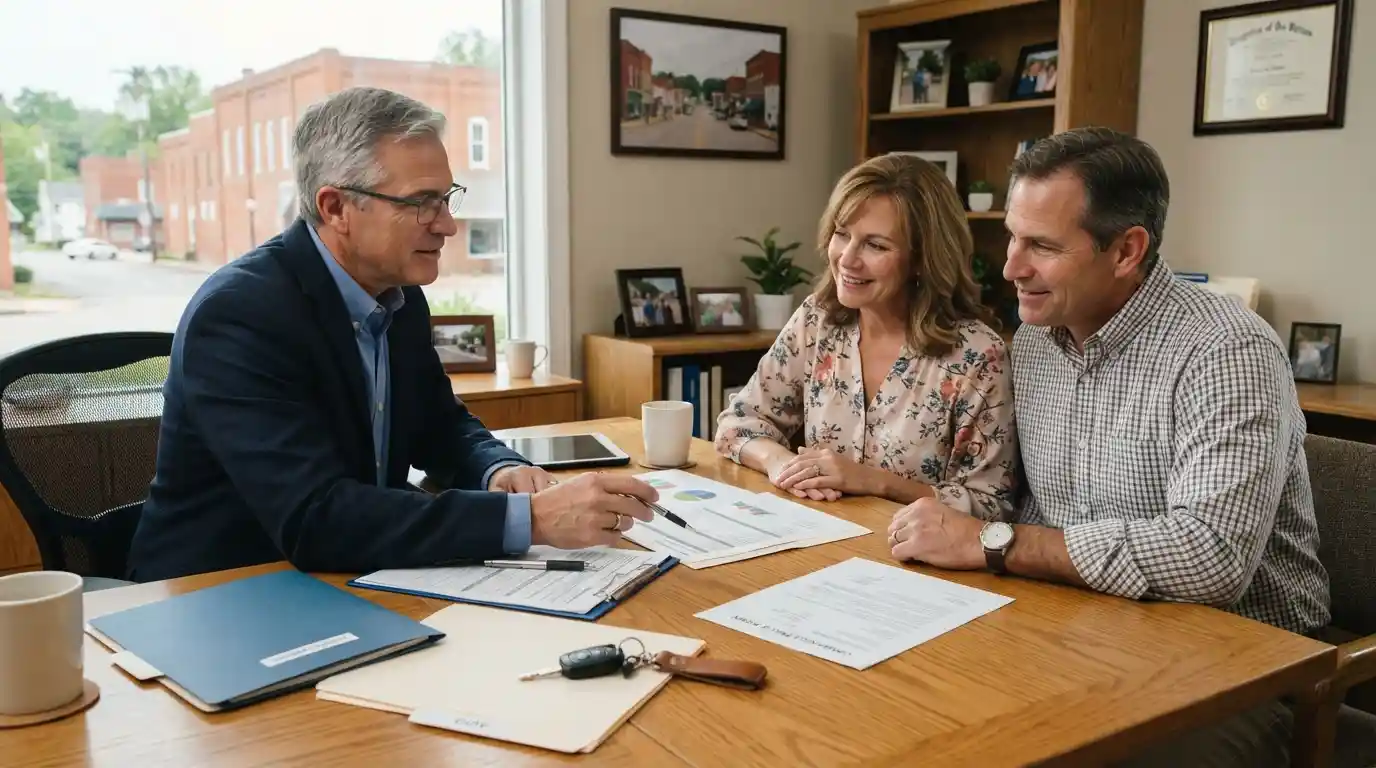
Unlike an insurance company that generally sells its own policies, an independent insurance agency can represent multiple insurance companies. This gives customers an opportunity to compare available coverage options rather than approaching the decision from the perspective of a single carrier.
For consumers who are reviewing several types of protection at once, this approach can be particularly useful. A household may need home insurance, auto insurance, life insurance, umbrella coverage, or protection for recreational vehicles, while a business owner may require contractor, farm, restaurant, or other commercial coverage.
Insurance should always be evaluated according to the specific risks involved. A useful starting point is understanding the difference between total insured value and other insurance terminology before comparing policy limits and premiums.
Why Work With an Independent Insurance Agency?
One of the main advantages of working with an independent agency is choice. Instead of being limited to one insurance company’s products, customers may have access to different policies, coverage structures, and price points.
That does not automatically mean that the cheapest policy is the best option. Insurance decisions should consider exclusions, deductibles, limits, endorsements, claims service, and the type of risks actually covered.
Personalized Coverage Decisions
Every household has different insurance requirements. A homeowner with valuable possessions, multiple vehicles, recreational equipment, or a second property may need a different combination of policies than someone renting an apartment.
A personalized review can help identify gaps that may otherwise be overlooked. This is particularly important when property values, household assets, vehicles, or liability exposure change over time.
Multiple Insurance Options
An independent agency can compare insurance solutions from different providers. That can be useful when a customer has unusual coverage requirements or wants to evaluate whether an existing policy still provides appropriate protection.
For example, homeowners may need to consider flood protection, valuable possessions, water backup, additional living expenses, personal liability, and other risks beyond the basic structure of a home.
Personal Insurance Options to Consider
Personal insurance is designed to protect individuals, families, homes, vehicles, and other personal assets. The appropriate combination depends on the customer’s circumstances and the risks involved.
Home Insurance
Homeowners insurance can protect a residence and qualifying personal property against covered losses. It can also provide liability protection when covered circumstances result in injury or property damage involving another person.
Homeowners should pay attention to more than the property’s market value. Rebuilding costs, personal belongings, temporary living expenses, liability exposure, and valuable possessions can all influence the amount and type of coverage required.
Anyone researching home-related insurance should also understand specialized issues such as home insurance protection and how coverage may respond to different types of property risks.
Auto Insurance
Auto insurance is another major part of personal risk management. Drivers should review liability limits, physical damage coverage, deductibles, uninsured or underinsured motorist protection where applicable, and coverage for specific vehicles.
Auto insurance becomes even more important when a household owns multiple vehicles, recreational vehicles, motorcycles, classic cars, or other specialized transportation.
Vehicle owners can also benefit from reviewing related automotive topics, including automotive service and vehicle care and professional auto service considerations.
Life Insurance
Life insurance can provide financial support to beneficiaries following the policyholder’s death. The amount of protection needed depends on factors such as income, debts, family responsibilities, future financial obligations, and existing assets.
Parents, business owners, and individuals with significant financial responsibilities may want to periodically review whether their current life insurance protection still matches their circumstances.
Watercraft and Recreational Vehicle Insurance
People who own boats, motorcycles, recreational vehicles, snowmobiles, or off-road vehicles may need specialized insurance rather than relying entirely on standard household or auto policies.
Specialized vehicles can create different liability and physical-damage exposures. Coverage should therefore be reviewed according to how the vehicle is used, where it is stored, and the risks associated with its operation.
Liability Protection Matters
Property damage is only one part of insurance risk. Liability can become a major financial concern when another person claims that you caused an injury or damaged their property.
Homeowners insurance may include personal liability protection, but higher-net-worth households or people with significant assets may need to consider additional liability protection.
Umbrella and Excess Liability Coverage
Umbrella or excess liability coverage can provide additional liability limits above certain underlying policies. This type of protection can be particularly relevant for households with substantial assets or increased exposure to liability claims.
Insurance terminology can sometimes make these decisions difficult. For a broader understanding of insurance concepts, readers can review questions about insurance acceptance and coverage as part of their overall insurance research.
Legal and Financial Exposure
Liability claims can involve legal expenses as well as potential settlement or judgment amounts. That is why insurance planning should consider the financial consequences of a serious claim rather than focusing only on the monthly premium.
Understanding legal exposure is also useful when reviewing insurance protection. Readers researching broader legal issues can explore legal assistance and consumer legal considerations and general legal guidance for urgent situations.
Flood and Water Damage Coverage
Water-related losses can create significant property damage, but not every type of water event is handled the same way under an insurance policy.
Homeowners should distinguish between risks such as plumbing leaks, sewer or drain backups, storm-related damage, and flooding. Policy wording, exclusions, endorsements, deductibles, and limits can vary, so assumptions about coverage can create serious problems after a loss.
Flood exposure deserves particular attention because homeowners should not assume that a standard homeowners policy automatically provides every form of flood protection.
Protecting Valuable Possessions
Households sometimes own jewelry, collectibles, artwork, electronics, specialty equipment, or other expensive possessions that may have specific limits under a standard homeowners policy.
If an item has substantial financial or sentimental value, homeowners should determine whether the standard policy provides sufficient protection or whether additional coverage may be appropriate.
A detailed inventory of valuable possessions can also make the insurance review process easier. Keep receipts, appraisals, photographs, serial numbers, and other relevant records where appropriate.
Business Insurance Through an Independent Agency
Insurance needs are not limited to individuals and families. Business owners also face risks involving property, employees, customers, vehicles, professional activities, equipment, and operations.
Finnicum’s business insurance offerings are relevant to organizations that need protection tailored to their operations. The appropriate coverage depends heavily on the type of business and its specific risk profile.
Contractor Insurance
Contractors can face risks involving job sites, tools, equipment, vehicles, employees, customers, and completed work. A properly structured insurance program can help address different categories of exposure.
Farm Insurance
Farms often combine residential, commercial, agricultural, equipment, property, and liability risks. Farm insurance therefore needs to reflect how the property and equipment are actually used.
Businesses should also evaluate their broader financial position when determining how much risk they can comfortably retain. Topics such as financial services and revenue management can provide useful context for understanding the relationship between financial planning and business risk.
Restaurant and Specialty Business Insurance
Restaurants, wineries, veterinary offices, and other specialized businesses may face risks that differ significantly from those of a typical office-based company.
Specialized insurance can help business owners address the particular property and liability exposures associated with their operations. Coverage should be reviewed whenever a business changes its premises, services, equipment, employees, or revenue model.
How to Review Your Insurance Coverage
Insurance should not be treated as a set-it-and-forget-it purchase. A policy that was appropriate several years ago may no longer match the customer’s current circumstances.
A practical insurance review should consider the following areas:
- Changes in home value or rebuilding costs
- New vehicles or changes in vehicle ownership
- Major purchases and valuable possessions
- Marriage, divorce, or changes in household responsibilities
- New drivers in the household
- Changes in income or assets
- New recreational equipment
- Rental properties or second homes
- Changes in business operations
- Changes in liability exposure
Understanding financial terminology can also make these conversations easier. For example, reviewing Finnicum Insurance coverage considerations alongside other insurance-related information can help readers identify areas they need to discuss with an insurance professional.
Why Location Matters for Insurance
Insurance is influenced by location because risks can vary between communities, counties, and states. Property characteristics, weather exposure, local regulations, vehicle use, and other factors can influence coverage requirements and pricing.
Finnicum Hometown Insurance Agency operates from Magnolia, Ohio, and serves customers throughout the surrounding area and across Ohio. Local knowledge can be valuable because an agency familiar with its community may better understand the types of risks customers commonly encounter.
What to Ask Before Choosing Coverage
Before purchasing or changing insurance, ask clear questions about what the policy does and does not cover.
- What risks are covered?
- What exclusions should I know about?
- What are the policy limits?
- What deductibles apply?
- Are valuable possessions subject to special limits?
- Do I need additional liability protection?
- Are flood or water-related losses covered?
- Does my current coverage reflect recent changes in my life?
- Would bundling certain policies make sense?
- What should I review at renewal?
Finnicum Insurance and Long-Term Coverage Planning
The value of an insurance agency is not limited to the moment a policy is purchased. Insurance needs can evolve as people buy homes, change vehicles, start businesses, acquire assets, or experience major changes in their personal lives.
An ongoing review can help identify coverage gaps before they become costly problems. Customers should also keep their insurer or agency informed when important circumstances change.
For businesses, insurance planning can become part of a broader growth strategy. Resources covering business growth and service planning and business service revenue considerations can provide additional context for owners thinking about operational risk.
Understanding Insurance Beyond the Premium
Premium price is important, but it should not be the only factor used to compare policies. A lower premium may come with higher deductibles, lower limits, narrower coverage, or additional exclusions.
The better question is whether the policy provides appropriate protection for the risks that matter most to you.
This is particularly important for homeowners and business owners who could face substantial financial consequences following a major loss. A thoughtful insurance review focuses on the potential size of the loss, the likelihood of the risk, and the amount of financial exposure the policyholder is comfortable retaining.
Final Thoughts on Finnicum Insurance
Finnicum Insurance provides an independent-agency approach to personal and business insurance, with a focus on personalized service and a broad range of coverage options. For customers in Magnolia and throughout Ohio, the agency’s independent model can make it easier to discuss different insurance needs and evaluate available solutions.
The most effective insurance strategy is not necessarily the policy with the lowest premium. It is the policy structure that appropriately addresses the customer’s risks, financial responsibilities, assets, and long-term needs.
Whether you are reviewing homeowners insurance, auto coverage, life insurance, business protection, or liability coverage, a periodic policy review can help ensure that your protection keeps pace with your circumstances.
For readers researching insurance more broadly, related topics such as specialized insurance protection, home insurance considerations, and insurance valuation terminology can help build a stronger understanding of how different coverage decisions fit together.
Insurance is ultimately about preparing for uncertainty. The right conversation, the right limits, and regular policy reviews can help turn insurance from a routine expense into a meaningful part of personal and business risk management.