
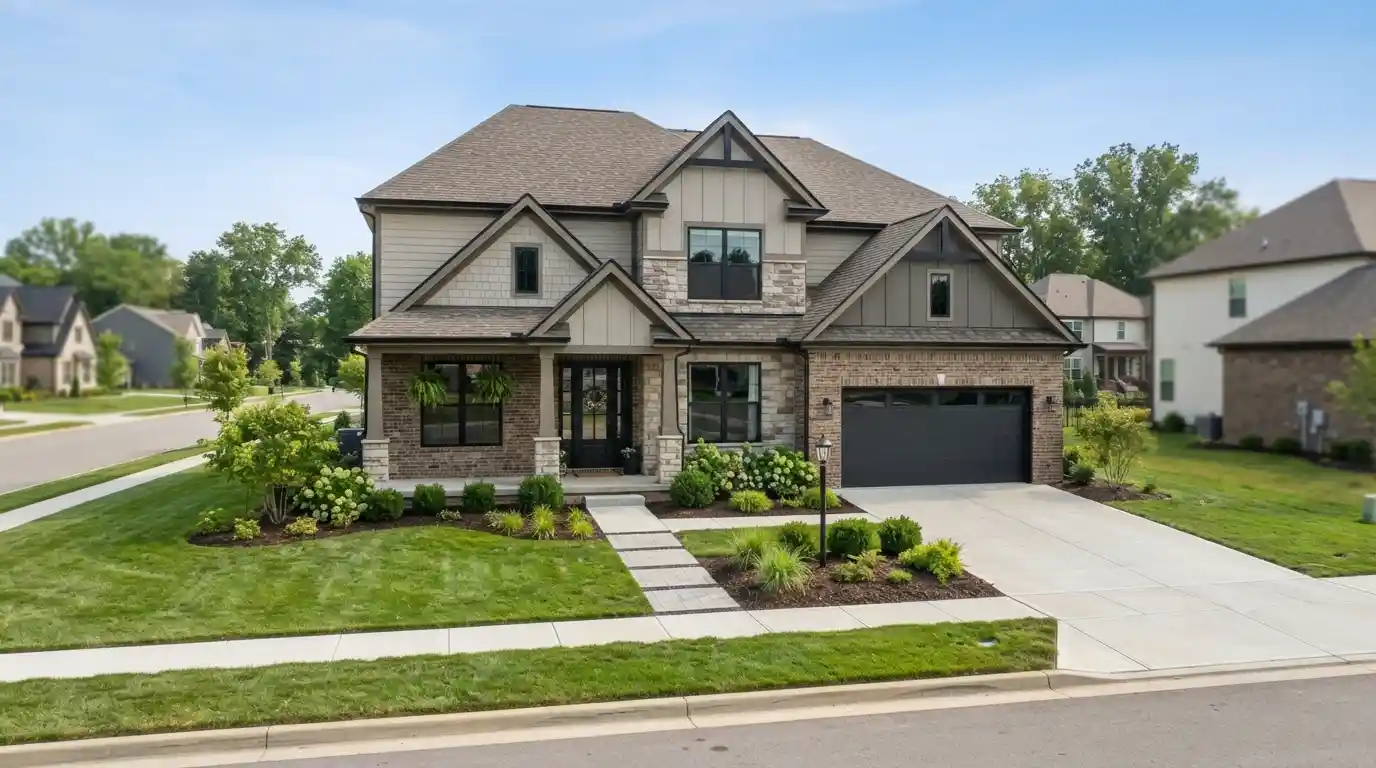
This guide explains how Meritage home insurance fits into the home-buying process, what homeowners should evaluate before choosing coverage, and how to avoid common mistakes when protecting a newly constructed property.
What Is Meritage Home Insurance?
Meritage Home Insurance generally refers to homeowners insurance options associated with the Meritage home-buying experience. The purpose of homeowners insurance is to provide financial protection against covered losses involving the home, personal property, and certain liability risks.
For a new homeowner, insurance is more than another closing requirement. It is a financial protection tool that can help reduce the impact of unexpected property damage or liability claims.
Homebuyers researching different insurance concepts may also benefit from understanding TIV meaning in insurance, particularly when thinking about the total value associated with an insured property.
It is also useful to compare the subject with other insurance topics already covered on PathVoice, including insurance coverage and protection considerations and how insurance acceptance and coverage questions can affect consumers.
Why Homeowners Insurance Matters for a New Meritage Home
A newly constructed home may look low-risk because its systems, appliances, roof, and major components are new. That does not mean the property is immune to unexpected events.
Fire, severe weather, theft, water-related incidents, liability claims, and other covered events can create significant expenses. Insurance can provide a financial safety net when a qualifying loss occurs.
New homeowners should therefore consider insurance during the early stages of the purchase rather than waiting until the final days before closing.
Protecting the Structure
One of the most important functions of homeowners insurance is protecting the physical structure of the home against covered risks. The policy limit should be appropriate for the cost of rebuilding the insured structure rather than simply matching the home’s purchase price.
Construction costs, labor, materials, local building requirements, and other factors can influence the amount needed to rebuild. This is one reason homeowners should review coverage carefully instead of choosing a policy solely because it has the lowest premium.
Protecting Personal Belongings
A homeowners policy may also provide coverage for personal property subject to its terms, limits, deductibles, and exclusions.
Furniture, electronics, clothing, appliances, and other belongings can add up quickly after moving into a new home. Keeping an inventory of valuable possessions can make it easier to understand whether standard limits are sufficient.
Liability Protection
Homeowners can also face liability risks. If a visitor is injured on the property or the homeowner is legally responsible for certain damage or injury, liability coverage may help with covered expenses according to the policy.
Homeowners with substantial assets may also want to understand how additional liability protection works. This is particularly important when considering the broader role of financial protection and financial services in a household’s overall planning.
What Does a Typical Homeowners Policy Cover?
Exact coverage varies by insurer and policy, so homeowners should always read the policy documents rather than assuming every risk is covered. Nevertheless, homeowners insurance commonly addresses several major areas.
- Dwelling coverage: Protection for the insured structure against covered causes of loss.
- Other structures: Coverage may apply to certain structures on the property that are separate from the main home.
- Personal property: Coverage may protect belongings subject to policy limits and conditions.
- Personal liability: Protection may apply when the homeowner is legally responsible for covered injury or property damage.
- Additional living expenses: Some policies may help with qualifying temporary living costs after a covered loss makes the home uninhabitable.
Understanding the difference between coverage categories is important because a policy can provide meaningful protection while still excluding specific events or placing limits on certain property.
What May Not Be Covered?
One of the biggest mistakes homeowners make is assuming that a homeowners policy covers every possible type of damage.
Policies commonly contain exclusions, limitations, conditions, and deductibles. Certain risks may require separate insurance or additional endorsements depending on the homeowner’s location and circumstances.
For example, flood damage is typically treated differently from many standard homeowners insurance claims. Homeowners in areas exposed to flooding should investigate whether separate flood coverage is appropriate.
Similarly, earthquake-related losses may require separate coverage in areas where earthquake risk is significant.
Understanding exclusions is just as important as understanding the benefits. A lower premium is not necessarily a better deal if the policy leaves major risks unprotected.
Meritage Home Insurance and the Home-Buying Process
Insurance is closely connected with the mortgage and closing process. Buyers typically need evidence of homeowners insurance before completing a financed home purchase.
This makes the insurance decision an important part of preparing for closing. Instead of treating insurance as paperwork that can be handled at the last minute, buyers should review quotes and coverage early enough to identify problems before the closing deadline.
Understanding the broader cost of purchasing a home can also help. Insurance is only one component of the overall financial picture, alongside the mortgage, taxes, closing costs, and other recurring expenses.
Homebuyers interested in broader financial planning can also explore financial-services growth and planning concepts and revenue and financial planning considerations as part of a wider understanding of financial management.
Should You Choose the Insurance Option Offered Through the Home-Buying Process?
A convenient insurance option can save time, especially when buying a newly constructed home. However, convenience should not be the only factor used to make the decision.
Before accepting any insurance option, compare the important details rather than looking only at the monthly or annual premium.
Compare the Coverage Limits
Check the dwelling limit, personal property coverage, liability limit, and other applicable limits. Make sure the coverage reflects the property’s characteristics and your financial situation.
Compare Deductibles
The deductible is the amount the policyholder may have to pay toward a covered loss before insurance contributes according to the policy.
A higher deductible may reduce the premium, but it also means the homeowner needs greater cash reserves when a covered claim occurs.
Compare Exclusions
Two policies can have similar premiums while providing different protection. Review exclusions and special limitations carefully.
Compare Available Discounts
Ask whether discounts may be available based on home characteristics, security systems, bundling, claims history, construction features, or other qualifying factors.
Homeowners should also keep their broader insurance needs in mind. For example, the PathVoice article on specialized insurance coverage illustrates why different types of property and risks can require different insurance solutions.
How Much Does Meritage Home Insurance Cost?
There is no single price that applies to every Meritage homeowner. Insurance premiums can vary substantially based on the property’s location, replacement cost, coverage limits, deductible, claims history, construction characteristics, selected insurer, and other underwriting factors.
The home’s location can be particularly important. Weather exposure, local insurance conditions, construction costs, and regional claims patterns can all influence premiums.
The size and characteristics of the home can also affect the cost. A larger property may require higher dwelling coverage, while certain upgrades or features may influence underwriting.
Instead of asking only, “What is the cheapest Meritage home insurance?” buyers should ask whether the quoted policy provides an appropriate balance between price, protection, exclusions, deductibles, and service.
How to Get Better Value From Your Home Insurance
Lowering the premium can be useful, but reducing coverage without understanding the consequences can create a larger financial problem later.
1. Compare Multiple Options
Where practical, compare more than one insurance option. Look at the actual policy terms rather than comparing premiums alone.
2. Choose a Deductible You Can Afford
Do not select an extremely high deductible simply because it reduces the premium. Make sure you could comfortably handle that out-of-pocket expense after an unexpected covered event.
3. Review Your Coverage Every Year
Your insurance needs can change. Major purchases, renovations, new valuables, changes in occupancy, and changes in the local insurance market can all justify a policy review.
4. Keep an Updated Home Inventory
Photograph important belongings and retain receipts or other useful records for expensive items. Store important documentation somewhere safe and accessible.
5. Ask About Risk-Reduction Measures
Security systems, smoke detectors, water-leak detection equipment, impact-resistant improvements, and other protective measures may influence eligibility for certain discounts depending on the insurer.
Home Insurance vs. Other Types of Insurance
Homeowners insurance should not be confused with every other type of property or financial protection. Different policies exist for different risks.
For example, general insurance protection, specialized property coverage, and insurance acceptance questions address different consumer needs.
The same principle applies when considering financial services. A household should think about insurance as one component of a broader financial strategy rather than as an isolated purchase.
Readers interested in financial-sector topics can also review business-service investment considerations, business strategy and financial performance concepts, and ROI-focused financial decision-making for broader context around evaluating costs and value.
Common Mistakes New Homeowners Should Avoid
Choosing Only on Price
The cheapest quote may not provide the protection you actually need. Always compare limits, deductibles, exclusions, endorsements, and service expectations.
Using the Purchase Price as the Only Coverage Measure
The purchase price and rebuilding cost are not necessarily the same thing. Land value, market conditions, labor, materials, and construction requirements can affect the cost of rebuilding.
Ignoring Flood or Earthquake Exposure
Standard homeowners insurance does not automatically mean every natural disaster is covered. Review your location-specific risks before assuming you are fully protected.
Forgetting Personal Property Limits
High-value jewelry, collectibles, electronics, artwork, and other expensive possessions may have special limits under some policies. Ask whether additional coverage is appropriate.
Waiting Until the Closing Deadline
Last-minute insurance decisions can create unnecessary pressure. Start reviewing coverage early enough to resolve documentation or underwriting issues before closing.
Questions to Ask Before Buying Meritage Home Insurance
- What exactly is included in the dwelling coverage?
- How was the dwelling coverage limit determined?
- What deductible applies to different types of claims?
- Which common risks are excluded?
- Is flood coverage included or separate?
- Is earthquake coverage included or separate?
- What personal property limits apply?
- Are high-value belongings subject to special limits?
- What liability coverage is included?
- Are additional living expenses covered after a qualifying loss?
- Are discounts available?
- Can the policy be reviewed or adjusted after closing?
How Insurance Fits Into Your Overall Homeownership Budget
Homeowners should calculate the full cost of ownership rather than focusing only on the purchase price or mortgage payment.
A realistic household budget can include mortgage principal and interest, property taxes, homeowners insurance, utilities, maintenance, HOA costs where applicable, and an emergency reserve.
This broader approach can make insurance decisions easier because homeowners can choose a deductible and coverage structure that fit their actual financial capacity.
Those interested in financial planning and business-related financial topics can explore financial services growth and financial-services revenue considerations for additional financial context.
Is Meritage Home Insurance Right for You?
Meritage Home Insurance can be a convenient option for buyers who want to simplify the insurance portion of the new-home purchasing process. The key question, however, is not simply whether the insurance is convenient. It is whether the selected policy provides appropriate protection at a price that fits the homeowner’s budget.
Buyers should compare coverage limits, deductibles, exclusions, available endorsements, discounts, and service considerations before making a final decision.
A new home represents a substantial investment. Taking time to understand the insurance policy can help protect that investment and reduce unpleasant surprises when a covered loss occurs.
Final Thoughts
Meritage home insurance can play an important role in protecting a newly purchased home, but homeowners should approach the decision as a coverage evaluation rather than simply another closing requirement.
The strongest approach is to understand what the policy protects, identify important exclusions, choose practical coverage limits, select a deductible you can afford, and review the policy regularly as your circumstances change.
By taking these steps before closing and continuing to review coverage after moving in, homeowners can build a more reliable financial protection strategy for the property they worked hard to purchase.