
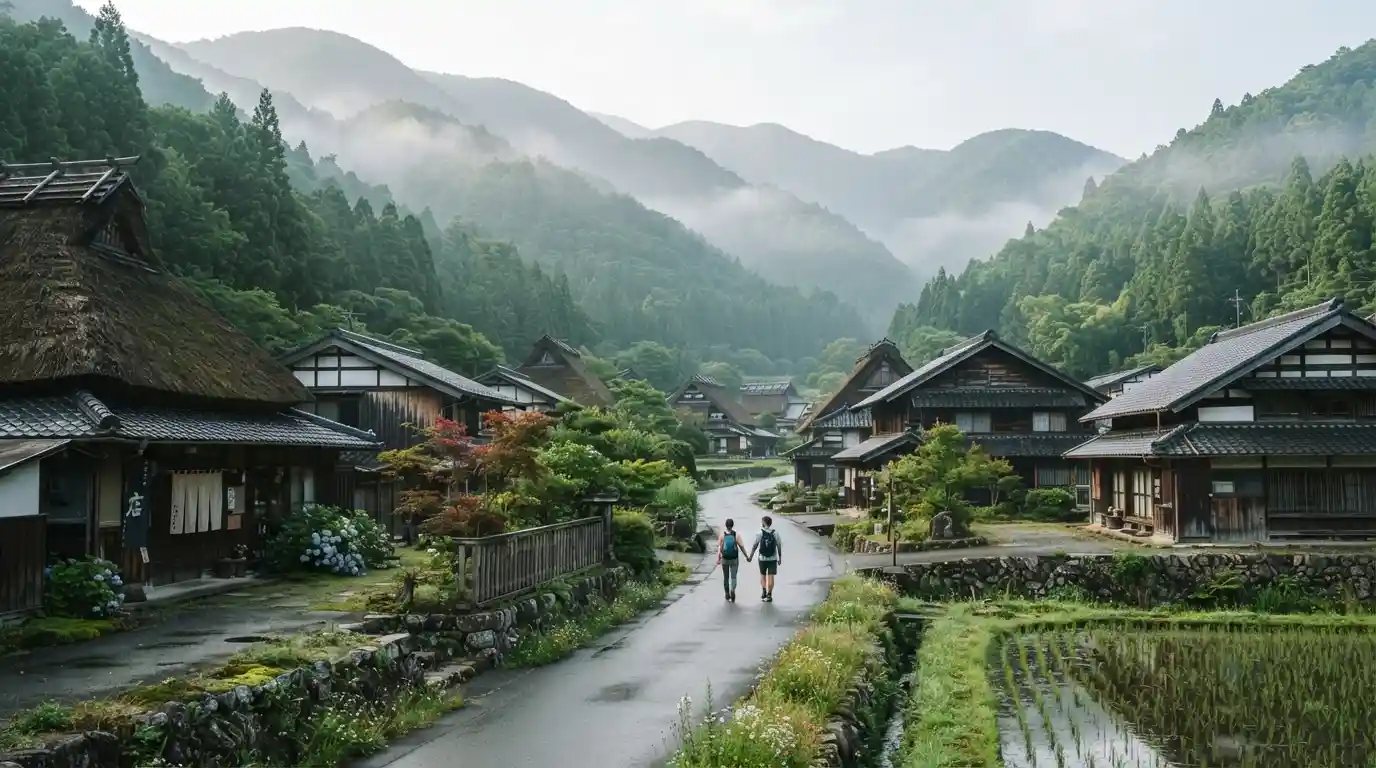
If you are searching for the best places to visit in Southeast Asia, the right destination depends on what you want from the trip. Some places are ideal for beaches and island escapes, while others stand out for history, food, nature, nightlife, family attractions, or cultural experiences.
Why Visit Southeast Asia?
Southeast Asia offers an unusual combination of variety and accessibility. Within a relatively compact region, travelers can experience bustling metropolitan areas, mountain landscapes, tropical coastlines, rainforest environments, historic towns, and centuries-old cultural traditions.
The region can also suit different travel styles. Budget-conscious travelers can find destinations with a wide range of accommodation and dining options, while luxury travelers can choose upscale resorts, sophisticated hotels, private tours, and premium experiences.
For broader inspiration, explore this guide to Southeast Asia destinations alongside other travel ideas covering places to visit with friends and summer destinations for couples.
1. Bangkok, Thailand
Bangkok is an energetic introduction to Southeast Asia, combining historic landmarks with modern shopping districts, street-food culture, riverside neighborhoods, and an extensive urban entertainment scene.
Visitors can spend a day exploring temples and historic areas before moving into modern neighborhoods filled with restaurants, cafés, markets, and shopping centers. Bangkok also works well as a starting point for exploring other parts of Thailand.
Travelers planning a Thailand-focused itinerary can also explore places to visit in Thailand for additional destination ideas.
2. Singapore
Singapore is a strong choice for travelers who want a highly organized city experience with architecture, gardens, food, shopping, cultural neighborhoods, and family attractions.
The city-state is particularly convenient for short trips because many major attractions are relatively easy to combine in one itinerary. Visitors can move between modern landmarks, historic districts, waterfront areas, and food-focused neighborhoods without needing a long intercity journey.
If you want to combine Singapore with another country, consider planning a regional itinerary around Singapore and Malaysia.
3. Kuala Lumpur, Malaysia
Kuala Lumpur offers a blend of modern architecture, diverse cuisine, cultural neighborhoods, shopping, and easy access to attractions around Malaysia. Its urban landscape makes it an interesting stop for travelers who enjoy city exploration.
The city is also useful as part of a broader Malaysia itinerary. Travelers can combine metropolitan experiences with coastal destinations, heritage towns, highland environments, and nature-focused excursions.
A Singapore-Malaysia combination can be especially practical for travelers who want to experience two distinct Southeast Asian destinations in one trip. The regional itinerary covered in Singapore and Malaysia can provide additional planning inspiration.
4. Bali, Indonesia
Bali remains a popular choice for travelers looking for a mixture of beaches, cultural experiences, scenic landscapes, wellness retreats, and distinctive local traditions. Different parts of the island offer noticeably different experiences.
Beach-focused travelers may prefer coastal areas, while visitors interested in culture and scenery can explore inland communities, temples, rice terraces, and surrounding landscapes.
Bali can also fit into a wider Asia itinerary for travelers comparing tropical destinations with other island and coastal experiences across the region.
5. Ho Chi Minh City, Vietnam
Ho Chi Minh City is an exciting destination for travelers interested in food, history, architecture, shopping, and fast-moving urban culture. The city combines historic influences with a modern commercial environment.
Food is an important part of the experience, with everything from casual street stalls to restaurants offering regional Vietnamese specialties. Travelers can also use the city as a base for excursions beyond the urban center.
6. Hanoi, Vietnam
Hanoi offers a different atmosphere from Ho Chi Minh City, with historic neighborhoods, traditional architecture, lakes, markets, cafés, and a strong connection to Vietnamese cultural heritage.
The city is particularly appealing to travelers who enjoy walking through distinctive neighborhoods and discovering local food and everyday life. It can also serve as part of a longer Vietnam itinerary that includes natural and coastal destinations.
7. Phuket, Thailand
Phuket is one of Southeast Asia’s best-known island destinations. Its combination of beaches, resorts, restaurants, boat excursions, viewpoints, and entertainment makes it suitable for travelers seeking a classic tropical getaway.
Travelers can choose between lively areas and quieter surroundings depending on the type of holiday they want. Phuket also provides access to other islands and coastal attractions in southern Thailand.
8. Chiang Mai, Thailand
Chiang Mai offers a different side of Thailand, with mountain scenery, temples, markets, cultural attractions, and a slower pace than Bangkok’s busy urban environment.
It is a useful destination for travelers who want to combine city exploration with nature and cultural experiences. The surrounding region also provides opportunities for outdoor activities and scenic excursions.
9. Palawan, Philippines
Palawan is a compelling choice for travelers searching for dramatic tropical scenery. Clear waters, limestone formations, beaches, lagoons, and island landscapes make the region especially attractive to nature and beach enthusiasts.
Travelers visiting the Philippines should consider the season when planning an itinerary because weather conditions can affect island activities and transportation. For another Philippines-focused idea, see places to visit in the Philippines during the rainy season.
10. Manila, Philippines
Manila provides a more urban introduction to the Philippines, with historic districts, museums, shopping, restaurants, and a large metropolitan environment.
Many travelers use Manila as an arrival or departure point before continuing toward the country’s beaches and islands. It can also be worthwhile for visitors interested in understanding the country’s history and contemporary urban culture.
11. Cebu, Philippines
Cebu combines city attractions with access to beaches, marine activities, waterfalls, and other natural experiences. This makes it useful for travelers who do not want to choose exclusively between an urban trip and an island vacation.
The surrounding region can support an itinerary involving snorkeling, diving, coastal exploration, and outdoor adventures. Travelers looking for broader Philippine inspiration can also explore Philippine cultural and leisure destinations.
12. Siem Reap, Cambodia
Siem Reap is closely associated with the extraordinary temple complex of Angkor, making it an important destination for travelers interested in history, archaeology, architecture, and Southeast Asian heritage.
The destination offers more than temple visits, with markets, restaurants, cultural experiences, and opportunities to explore the surrounding area. A few days can allow travelers to combine major historic attractions with relaxed local exploration.
13. Luang Prabang, Laos
Luang Prabang appeals to travelers looking for a quieter cultural experience. Historic architecture, temples, markets, riverside scenery, and surrounding natural landscapes give the destination a distinct character.
It is particularly suitable for travelers who prefer slower-paced journeys rather than large metropolitan environments. Combining Luang Prabang with other Southeast Asian destinations can create a balanced itinerary between cities, nature, and cultural sites.
14. Hanoi and Northern Vietnam
Travelers with more time should consider extending a Hanoi visit into northern Vietnam. The region is known for dramatic scenery, distinctive local communities, mountain environments, and opportunities for longer excursions.
This type of itinerary works well for travelers who want more than a conventional city break. It can also provide a useful contrast with the tropical island environments found elsewhere in Southeast Asia.
15. Boracay, Philippines
Boracay is another destination to consider for travelers who prioritize beaches, water activities, resorts, restaurants, and relaxed island days. Its compact size makes it convenient for travelers who want a straightforward beach-focused getaway.
It can be paired with a broader Philippines trip, particularly for visitors who want to experience both urban culture and island environments.
16. Bali and Indonesia’s Island Experiences
Travelers who enjoy Bali may want to expand their trip beyond a single island. Indonesia offers a huge variety of landscapes and cultures, allowing visitors to build itineraries around beaches, volcanoes, wildlife, diving, cultural heritage, or adventure travel.
The same principle applies across Southeast Asia: rather than trying to see everything in one trip, choose destinations that complement each other. A city-and-island combination can often provide more variety without making the itinerary unnecessarily complicated.
How to Choose the Best Southeast Asian Destination
For Beaches and Island Escapes
Consider destinations such as Bali, Phuket, Palawan, Cebu, and Boracay if your priority is coastal scenery, swimming, island activities, and resort-style travel.
For History and Culture
Hanoi, Siem Reap, Luang Prabang, Bangkok, and other historic destinations can be especially rewarding for travelers who want temples, heritage sites, traditional neighborhoods, museums, and cultural experiences.
For Food
Southeast Asia is one of the world’s most exciting regions for food-focused travel. Bangkok, Singapore, Kuala Lumpur, Hanoi, and Ho Chi Minh City each offer distinctive culinary traditions and a broad range of dining experiences.
Travelers who enjoy combining food with travel can also find inspiration in general travel planning ideas and healthy eating tips.
For Couples
Island resorts, scenic cities, cultural destinations, and quieter coastal areas can all work for couples. The best choice depends on whether you prefer relaxation, adventure, food, sightseeing, or a combination of experiences.
For additional warm-weather ideas beyond Southeast Asia, see summer destinations for couples and Key West destinations for couples.
Best Time to Visit Southeast Asia
There is no single perfect travel season for the entire region. Southeast Asia covers several countries and climate zones, so weather patterns vary considerably between destinations.
Before booking flights and accommodation, check the seasonal conditions for each destination on your specific itinerary. Island trips can be particularly sensitive to weather, while major cities may remain attractive throughout much of the year.
Travelers interested in seasonal trip planning can also compare winter travel destinations, spring travel ideas, and summer destinations.
Tips for Planning a Southeast Asia Trip
- Choose fewer destinations: Avoid packing too many countries into a short trip.
- Consider travel time: Account for flights, transfers, ferries, and ground transportation.
- Research seasonal weather: Weather can affect beaches, hiking, boat trips, and outdoor activities.
- Mix experiences: Combining a major city with an island or cultural destination can create a more varied itinerary.
- Book popular accommodation early: Well-known resorts and centrally located hotels can fill quickly during busy periods.
- Leave flexibility: A little free time allows you to discover markets, restaurants, neighborhoods, and unexpected attractions.
- Respect local customs: Dress appropriately at religious sites and follow local rules and cultural expectations.
Build a Multi-Country Southeast Asia Itinerary
One of the advantages of Southeast Asia is the ability to create a trip around several different experiences. For example, a traveler might combine Singapore with Malaysia for a city-focused journey, then choose Thailand for beaches and cultural exploration.
Another itinerary could combine Vietnam’s major cities with Cambodia for a history-focused trip. Travelers interested in tropical scenery could instead focus on the Philippines or Indonesia and spend more time exploring islands rather than moving between large cities.
If you are planning a wider international journey, additional destination guides such as New Zealand, Switzerland, and New Zealand travel ideas can help you compare different styles of international travel.
Final Thoughts
The best places to visit in Southeast Asia depend on the type of experience you want. Bangkok and Singapore are excellent choices for urban exploration, while Kuala Lumpur combines city attractions with access to wider Malaysian experiences. Bali and Phuket appeal to travelers seeking tropical escapes, while Palawan, Cebu, and Boracay provide different ways to experience the Philippines.
For culture and history, destinations such as Hanoi, Siem Reap, and Luang Prabang can add depth to a Southeast Asian itinerary. Rather than trying to visit every major destination, choose a few places that match your interests and allow enough time to experience each one properly.
With thoughtful planning, Southeast Asia can support almost any style of trip, from a short city break and relaxing beach holiday to a longer multi-country adventure filled with food, culture, nature, and unforgettable landscapes.