
My grandmother used to say that the mind and spirit are like two stubborn horses – if you don’t guide them, they’ll run wild. That wisdom sticks with me, especially when dealing with mental health challenges. One approach that has quietly stood the test of time is the mental health novena, a structured nine-day spiritual practice intended to promote emotional balance and inner calm. While skeptics might roll their eyes, many find solace and a sense of control through this intentional focus on prayer, reflection, and self-care.
Before you jump in, remember that a mental health novena isn’t a replacement for professional treatment. Think of it as an extra tool in your wellness toolkit. For those navigating stress, anxiety, or depression, this method can complement therapy, meditation, or counseling, adding a ritualistic layer of mindfulness and hope. If you want to explore tailored approaches and holistic guidance, Macros Inc offers programs that blend physical and mental wellness strategies.
Warning
Engaging in a mental health novena requires commitment and emotional readiness. If you’re in a fragile state or experiencing severe mental health symptoms, consult a professional first. Spiritual practices can be supportive but are not a substitute for therapy, medication, or emergency care.
What Is a Mental Health Novena?
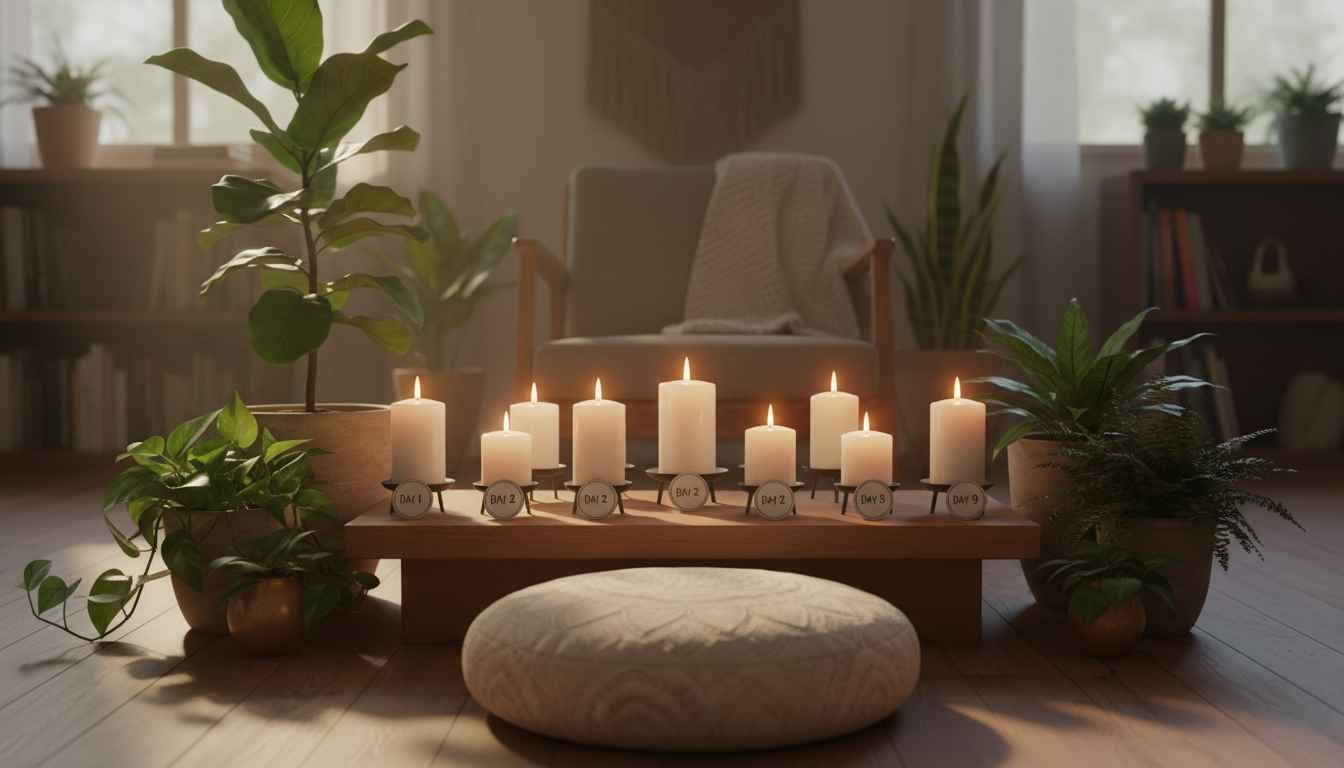
A novena, in religious tradition, is a nine-day cycle of prayer. When applied specifically to mental health, the practice focuses on intentions like inner peace, resilience, and emotional stability. Each day is dedicated to reflecting on specific mental and emotional states, offering prayers, journaling, or performing acts of kindness. Think of it as a mental reset button that trains your brain to focus on recovery and self-compassion.
Core Principles of the Practice
While approaches vary, most mental health novenas emphasize three core principles: mindfulness, intention, and reflection. Mindfulness encourages you to be present in the moment, noticing your thoughts without judgment. Intention sets a clear goal for each day – like patience, courage, or self-love. Reflection allows you to process your emotions and track subtle changes in mood and perspective over the nine days.
How to Structure Your Nine Days
There’s no single “correct” format, but here’s a practical structure that balances spiritual focus with emotional growth:
Day 1: Clarity
Focus on understanding your current mental state. Write down your feelings, fears, and hopes. Set an intention for clarity throughout the novena.
Day 2: Acceptance
Practice self-acceptance. Acknowledge your struggles without judgment. A brief meditation or prayer can help reinforce self-compassion.
Day 3: Gratitude
List three things you are grateful for each morning. Gratitude primes your brain to notice positive aspects of life, even amidst mental health challenges.
Day 4: Forgiveness
Release past resentments – toward yourself or others. Emotional baggage often amplifies anxiety and depression. Journaling can be especially effective today.
Day 5: Patience
Focus on tolerance for your journey. Remind yourself that mental health is a process, not an immediate fix. Short breathing exercises help anchor this patience.
Day 6: Resilience
Identify personal strengths and past victories. Write affirmations to reinforce your ability to withstand future emotional challenges.
Day 7: Compassion
Direct kindness outward and inward. Perform a small act of service or offer yourself gentle encouragement when negativity arises.
Day 8: Hope
Visualize a positive future. Imagine a day where your mind feels lighter, and note small, achievable steps toward that vision.
Day 9: Renewal
Reflect on the past eight days and consider how you’ve shifted emotionally or spiritually. Celebrate any progress, no matter how minor, and set intentions for continued growth.
Tools and Resources to Enhance Your Novena
Incorporating tangible tools can deepen your practice. Here’s a curated list of resources to support a mental health novena:
- Journals: Daily reflection helps track emotional shifts and offers a safe space for self-expression.
- Meditation Apps: Tools like Calm or Headspace can enhance mindfulness exercises.
- Prayer Cards or Affirmation Decks: Quick visual reminders can reinforce focus and positivity throughout the day.
- Support Groups: Sharing your experience with others provides accountability and social support.
- Holistic Programs: Services like Macros Inc integrate fitness, nutrition, and mindfulness to strengthen mental resilience.
Potential Drawbacks or Who Should Avoid This?
While a mental health novena can be transformative, it’s not for everyone. Those with severe depression, suicidal thoughts, or unmanaged anxiety should prioritize professional care over spiritual exercises. Over-reliance on prayer without actionable support may delay necessary intervention. Additionally, some people may find structured rituals restrictive or stressful rather than calming.
Balancing Novena with Evidence-Based Care
Combining spiritual practices with medical or psychological treatment can be powerful. Therapy, medication, exercise, and nutrition are critical foundations for mental well-being. The novena acts as a complementary practice – enhancing mindfulness, emotional clarity, and spiritual resilience. It’s a framework, not a cure-all, and its real strength lies in creating intentional space for reflection and self-care.
Final Thoughts
The mental health novena is more than a religious ritual – it’s a structured approach to nurturing your mind and spirit. My grandmother would have smiled knowing that her wisdom lives on in modern practices that blend reflection, intention, and hope. For those willing to commit nine days to intentional mental care, this practice can foster clarity, patience, and resilience, while offering a ritualized reminder that you are not alone in your journey.