Whether you are preparing for a weekend trip, exploring unfamiliar terrain, or upgrading equipment that has seen several seasons of use, choosing practical gear matters. From durable clothing and footwear to navigation tools, lighting, hydration systems, backpacks, and weather-ready accessories, a thoughtful setup can make a significant difference.
This guide explores the latest categories of hunting gear worth considering and explains how to build a practical outdoor kit without buying equipment simply because it is new or heavily marketed.
What Makes Modern Hunting Gear Useful?
The best gear is not necessarily the most expensive gear. Its value comes from solving real problems in the field. A useful piece of equipment should make an outdoor task easier, safer, more comfortable, or more efficient without adding unnecessary weight or complexity.
Outdoor activities often involve changing weather, uneven terrain, long distances, limited daylight, and unpredictable conditions. That makes preparation particularly important. The same principle applies to other demanding outdoor pursuits and daring sports and outdoor activities, where appropriate equipment can contribute to a better experience.
When evaluating new hunting equipment, consider durability, comfort, weather resistance, portability, ease of use, and whether the item actually fits your style of outdoor activity.
1. Durable Hunting Clothing
Clothing is one of the most important parts of an outdoor setup. Modern hunting clothing is available in lightweight, insulated, waterproof, and layered designs that can be adapted to different conditions.
Instead of relying on one heavy garment, layering can provide greater flexibility. A moisture-managing base layer can help regulate comfort, while an insulating middle layer can provide warmth. A weather-resistant outer layer can then help protect against wind and rain.
Look for clothing that allows comfortable movement and does not create unnecessary bulk. Pockets, reinforced areas, adjustable cuffs, and durable fabrics can also be useful when spending extended periods outdoors.
2. Weather-Ready Footwear
Footwear deserves careful attention because hunters may spend hours walking across mud, grass, rocks, forest trails, or uneven ground. A comfortable pair of outdoor boots should provide appropriate support for the terrain while helping protect feet from moisture and changing temperatures.
Before buying new footwear, consider where you normally hunt. Lightweight boots may work well for warmer conditions and easier terrain, while insulated or waterproof options may be more appropriate for colder or wetter environments.
Breaking in footwear before a long outdoor trip is also important. New boots that have not been worn beforehand can become uncomfortable over extended distances.
3. Backpacks Built for Organization
A well-designed backpack can turn a collection of loose equipment into an organized outdoor system. Modern packs often feature multiple compartments, adjustable straps, hydration compatibility, and attachment points for commonly carried accessories.
Choose a capacity that matches the length of your trip. An oversized backpack can encourage unnecessary packing and create additional weight, while a bag that is too small may make it difficult to carry essential supplies.
Keep frequently needed items accessible without sacrificing weight distribution. Heavier objects should generally be packed in a way that keeps the load stable and comfortable while walking.
4. Navigation and Communication Equipment
Navigation should never be treated as an afterthought when traveling through unfamiliar outdoor environments. Depending on the location and conditions, hunters may use maps, compasses, GPS devices, or other navigation tools.
Technology can make navigation more convenient, but electronic equipment should not always be treated as the only solution. Batteries can run out, devices can malfunction, and environmental conditions can interfere with normal operation.
Understanding basic navigation skills can therefore be just as valuable as carrying modern technology. This broader approach to preparation is useful for anyone following practical travel and outdoor preparation tips.
5. Reliable Lighting
A dependable light source is one of the simplest pieces of equipment to overlook. A quality headlamp or flashlight can be useful when starting before sunrise, returning after dark, organizing equipment in low light, or dealing with unexpected delays.
Consider carrying spare batteries or a secondary light source when conditions warrant it. A headlamp can be especially convenient because it leaves both hands available for other tasks.
Choose equipment based on durability, battery life, weather resistance, and ease of operation rather than appearance alone.
6. Hydration and Food Storage
Long periods outdoors require practical hydration and nutrition planning. A reusable water bottle, hydration reservoir, or other suitable container can help ensure that water remains accessible throughout the day.
Food should also be packed in a way that protects it from moisture and accidental damage. Simple, energy-dense foods can be easier to carry than bulky meals, particularly when walking long distances.
Good preparation is not limited to hunting. Anyone planning an outdoor day can benefit from learning healthy food preparation ideas and building meals around their expected activity level.
7. First-Aid and Emergency Supplies
A first-aid kit should have a place in any serious outdoor pack. The exact contents can vary according to trip length, location, group size, weather, and individual needs.
Basic supplies may include bandages, wound-care materials, antiseptic products, gloves, and other appropriate first-aid essentials. It is also useful to know how to use the items you carry instead of simply keeping an unopened kit in your backpack.
Emergency preparation should also account for communication, navigation, weather changes, and unexpected delays. These considerations become especially important in remote environments.
8. Optics and Observation Equipment
Optics can be useful for observing distant terrain and wildlife without unnecessarily approaching it. Depending on the activity, binoculars or other appropriate observation equipment can help users examine landscapes while maintaining distance.
When selecting optics, consider magnification, field of view, weight, durability, and performance in the lighting conditions you are likely to encounter.
Outdoor observation can also make nature-focused trips more rewarding. For inspiration, explore nature-oriented destinations and outdoor experiences.
9. Weather Protection
Weather can change quickly, especially during extended outdoor trips. A forecast may provide useful information, but it should not replace practical preparation.
Pack clothing and equipment appropriate for the conditions you could realistically encounter. Rain protection, insulation, sun protection, and moisture management can all become important depending on the season.
Protecting equipment from moisture can also be worthwhile. Waterproof bags, protective covers, and carefully organized storage can help keep important supplies usable when conditions deteriorate.
10. Technology for Outdoor Preparedness
Technology has become increasingly common in outdoor recreation. GPS devices, rechargeable lights, weather tools, communication equipment, cameras, and other electronic accessories can make planning and navigation more convenient.
However, technology should support outdoor skills rather than replace them completely. Understanding how to navigate, manage equipment, conserve battery power, and respond to changing conditions remains important.
If you enjoy exploring technology more broadly, PathVoice also covers subjects such as choosing useful gadgets for your budget and new and emerging gadgets.
11. Vehicle and Off-Road Equipment
For hunters who travel to outdoor areas by vehicle, preparation should extend beyond the backpack. Vehicle organization, recovery equipment, lighting, navigation, emergency supplies, and appropriate maintenance can all contribute to a smoother trip.
Off-road travel also requires responsible decision-making. A capable vehicle does not eliminate the need to understand terrain, weather, local access rules, and environmental conditions.
Those interested in recreational off-road transportation can also read about street-legal RZR use and off-road considerations.
12. Fitness and Physical Preparation
Good gear cannot compensate for poor physical preparation. Hunting can involve walking, climbing, carrying equipment, standing for extended periods, and navigating uneven ground.
Building general endurance and strength can make outdoor activities more manageable. A consistent fitness routine may include walking, hiking, mobility exercises, and strength training based on individual ability and goals.
For broader fitness inspiration, explore bodybuilding and training guidance, tips for developing a lean and active body, and the benefits of regular jogging.
13. Outdoor Gear Should Match the Environment
There is no single hunting setup that works perfectly everywhere. Equipment requirements can change dramatically depending on terrain, season, weather, trip duration, and access conditions.
A cold-weather trip may require greater emphasis on insulation and moisture management. Warmer environments may call for breathable clothing, hydration capacity, and sun protection. Mountainous terrain can create different footwear and navigation requirements than flat woodland areas.
This environment-first approach is useful for outdoor travel in general. For example, planning a trip around winter destinations in the United States requires different preparation from traveling during warmer months.
14. Responsible Outdoor Preparation
Modern hunting gear should support responsible outdoor behavior rather than encourage unnecessary equipment accumulation. Before heading into the field, understand the applicable regulations, access restrictions, seasonal requirements, and safety expectations for the area.
Respecting private property, other outdoor users, wildlife, and the surrounding environment is equally important. Responsible preparation also means knowing your limitations and avoiding unnecessary risks.
Outdoor recreation often involves sharing natural spaces with other people. Resources such as outdoor destinations for group trips highlight the importance of planning around different interests and experiences.
15. Build a Practical Gear Checklist
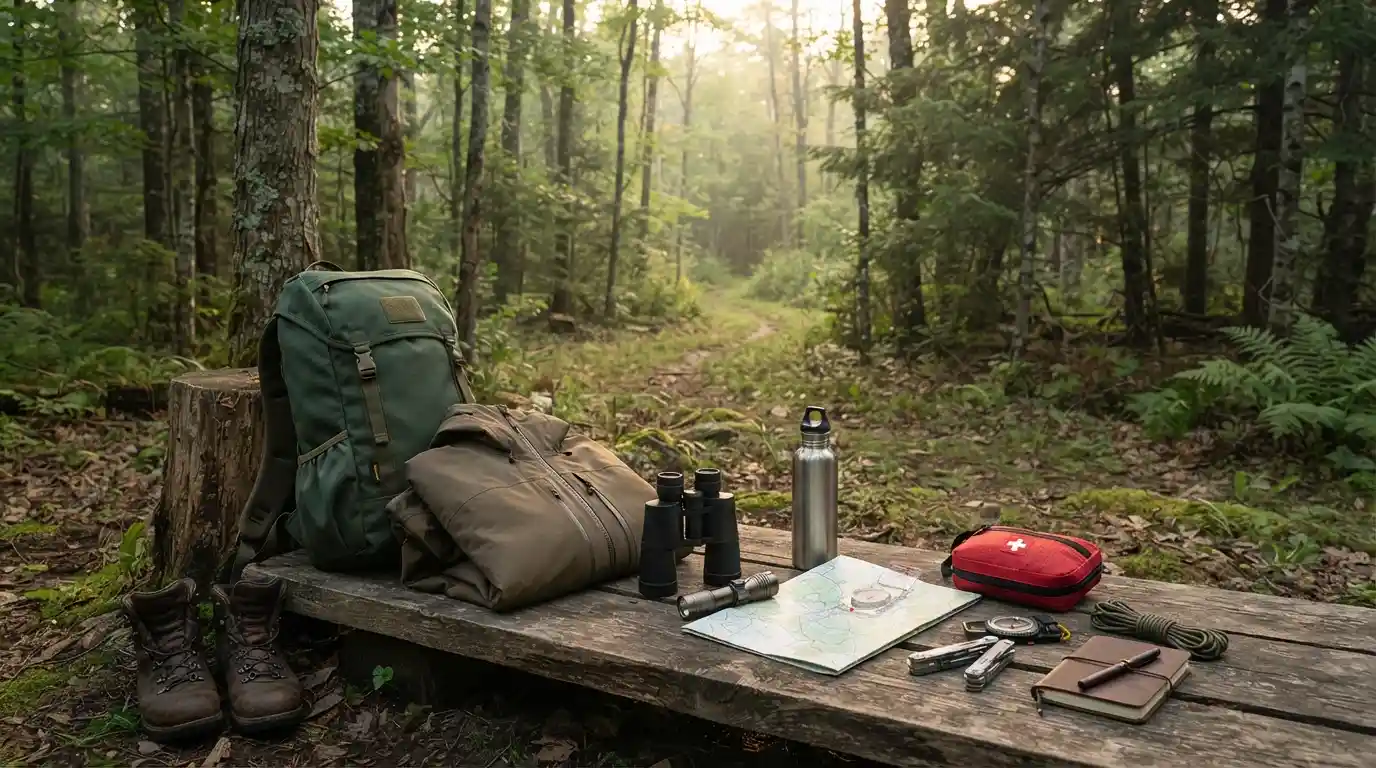
Rather than purchasing equipment randomly, create a checklist based on the actual conditions of your trip. A practical checklist may include:
- Weather-appropriate clothing
- Durable outdoor footwear
- Organized backpack
- Navigation equipment
- Reliable flashlight or headlamp
- Water and hydration supplies
- Food and snacks
- Basic first-aid supplies
- Communication equipment
- Weather protection
- Appropriate observation optics
- Emergency supplies
- Personal medications and essential items
Review the list before every trip rather than assuming that the same equipment will work in every environment.
How to Choose New Hunting Gear Without Overspending
New outdoor products can be appealing, but buying the latest item is not automatically an upgrade. Start by identifying a specific problem with your current equipment.
If your backpack is uncomfortable, look for improved load distribution. If your footwear causes discomfort, focus on fit and terrain suitability. If your navigation system is unreliable, prioritize dependable navigation and backup options.
Prioritizing genuine needs helps prevent unnecessary spending and keeps your overall setup manageable. The same principle applies when evaluating outdoor equipment for recreational activities such as adventure sports.
Final Thoughts
The latest hunting gear can make outdoor adventures more comfortable, organized, and prepared, but equipment should always serve a clear purpose. Clothing, footwear, backpacks, navigation tools, lighting, hydration systems, first-aid supplies, technology, and weather protection can all contribute to a better experience when selected carefully.
The smartest approach is to build your gear system around the environment, the length of the trip, the expected conditions, and your personal experience level. Good preparation is more valuable than simply owning more equipment.
Before every trip, review your supplies, check the conditions, understand the applicable rules, and make sure your equipment is in working order. With thoughtful preparation and responsible outdoor habits, modern gear can become a useful part of safer and smarter adventures.
As outdoor adventures evolve, so too do the skills and knowledge required to enhance them. Just as selecting the right gear can significantly impact a hunting experience, the importance of mentorship in personal and professional development cannot be overstated. A seasoned mentor can provide invaluable insights, guiding you through the complexities of your chosen field, much like how the right equipment can navigate the unpredictable wilderness. Whether you’re an aspiring hunter or a professional looking to sharpen your skills, understanding how to find a mentor is crucial to your growth. Just as you wouldn’t embark on a challenging trek without the proper gear, navigating your career without the guidance of a mentor can leave you unprepared for unforeseen challenges.