
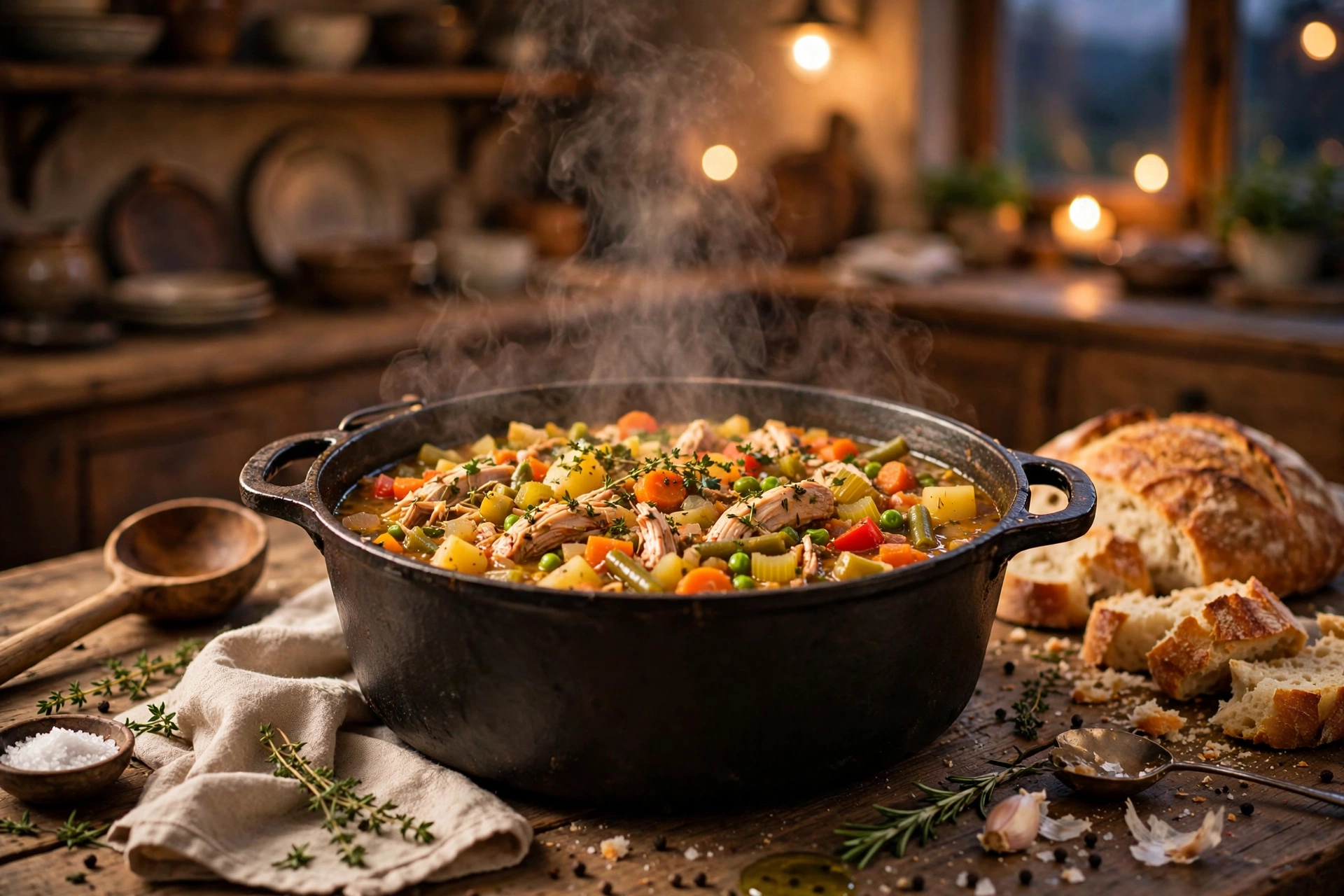
You walk in the door at 6:40 p.m., exhausted, hungry, and facing the eternal question: what is for dinner? The takeout app is one tap away. But what if a genuinely healthy, genuinely delicious dinner was only one pot and 30 minutes away — with almost no cleanup? These easy healthy one-pot dinners are designed for exactly this moment: the exhausted weeknight when cooking feels impossible but you do it anyway.
One-pot cooking is the ultimate weeknight strategy because it eliminates the two things that make cooking feel hard: complexity and cleanup. Everything goes into a single pot, pan, or Dutch oven. Flavors meld together while you do something else. And at the end, there is exactly one thing to wash. This guide gives you the formula, ten dinner ideas, the techniques that guarantee success, and the equipment you actually need.
Easy Healthy One-Pot Dinners: Why They’re a Weeknight Superpower
Let us count the ways one-pot cooking solves weeknight dinner. Minimal cleanup: one pot, one cutting board, one knife — the post-dinner kitchen takes five minutes, not thirty. This alone converts more takeout-orderers than any recipe ever will. Hands-off cooking: most one-pot meals need 10 minutes of active work and 20 minutes of ignoring — time you can spend decompressing, helping with homework, or just sitting down. Better flavor: ingredients cooked together share flavors in a way that separately-cooked components never do; this is why stews and curries taste like more than the sum of their parts.
There is also a nutritional advantage nobody talks about: one-pot meals make balanced eating automatic. When protein, vegetables, and grains share a pot, the meal is balanced by construction — no separate side dishes to plan or skip. It is the plate method without the plate. And because one-pot meals are naturally batch-friendly, they are the backbone of meal prep basics for people who do not want to spend Sunday cooking.
Finally, one-pot cooking is forgiving. Precise timing matters less, temperatures are gentler, and most recipes welcome improvisation — a handful of this, a swap of that. For anyone who finds cooking stressful, the one-pot is the most relaxing way to make dinner that exists. If you are generally cooking-averse, start with our guide to cooking at home more often — then let one-pot meals do the heavy lifting.
The One-Pot Formula: Protein + Vegetable + Grain + Flavor
Every great one-pot dinner follows the same skeleton. Memorize it and you can invent endless meals without recipes.
1. Protein (pick one): chicken thighs, ground turkey, sausage, shrimp, white fish, tofu, chickpeas, lentils, or black beans. Chicken thighs are the weeknight MVP — cheap, flavorful, and nearly impossible to overcook. Beans and lentils are the budget MVP — pennies per serving and packed with fiber.
2. Vegetables (pick two or three): onion and garlic as the aromatic base, plus whatever you have: bell peppers, zucchini, carrots, broccoli, spinach, kale, sweet potatoes, mushrooms, frozen peas or corn. This is where sneaky vegetable strategies shine — one-pot meals hide vegetables so effectively that even picky eaters rarely notice.
3. Grain or starch (pick one): rice, quinoa, pasta, orzo, couscous, farro, potatoes, or tortillas served alongside. The grain cooks in the same flavorful liquid, absorbing everything — which is why one-pot rice and pasta taste dramatically better than their separately-cooked cousins.
4. Liquid: broth, canned tomatoes, coconut milk, or water with seasoning. Enough to cook the grain and create a sauce — usually 2–4 cups depending on the grain. Broth instead of water is the easiest flavor upgrade in cooking.
5. Flavor (the difference between bland and brilliant): this is where one-pot meals are won or lost. Salt properly, add acid at the end (lemon juice, vinegar), finish with fresh herbs, and do not skip the aromatics at the start. A teaspoon of smoked paprika, cumin, or curry powder transforms the entire pot.
That is the whole formula. Protein + vegetables + grain + liquid + bold seasoning = dinner. Everything below is just variations on this theme.
10 Easy Healthy One-Pot Dinners for Exhausted Weeknights
Ten ideas, each following the formula, each genuinely doable on a tired Tuesday.
1. Chicken and rice (the classic). Brown chicken thighs, add onion, garlic, rice, broth, and frozen peas. Simmer 25 minutes. Season boldly with lemon, herbs, or soy sauce. The dish every culture has a version of, because it works.
2. Turkey chili. Ground turkey, onion, bell peppers, canned tomatoes, black beans, chili powder, cumin. Simmer 25 minutes. Top with Greek yogurt (a perfect healthy food swap for sour cream) and serve over rice or with cornbread.
3. One-pot pasta primavera. Pasta, cherry tomatoes, zucchini, spinach, garlic, and broth cooked together until the pasta is tender and the liquid becomes sauce. Finish with parmesan and lemon. The starch from the pasta thickens everything into silk.
4. Coconut curry with chickpeas. Onion, curry paste or powder, coconut milk, chickpeas, sweet potato, and spinach. Simmer 20 minutes, serve over rice. Rich, warming, and entirely plant-based without trying.
5. Sausage and white bean stew. Sliced chicken sausage, white beans, kale, carrots, and broth. Hearty, 30 minutes, one pot. The kind of dinner that makes a cold evening feel manageable.
6. Shrimp and quinoa skillet. Quinoa cooks in broth while you quickly sear shrimp with garlic, bell peppers, and lime. Combine. Fifteen minutes of active work for something that tastes like a restaurant meal.
7. Lentil soup (the budget hero). Red lentils, onion, carrots, celery, cumin, and broth. Simmer 25 minutes, blend half for creaminess. Costs almost nothing, feeds a crowd, freezes perfectly.
8. Taco skillet. Ground turkey or beef, black beans, corn, salsa, and rice cooked together, topped with cheese. All the taco flavors, one pan, zero tortilla assembly. Serve with the toppings bar of your dreams.
9. Lemon herb chicken orzo. Orzo pasta, chicken pieces, broth, lemon, garlic, and spinach wilted in at the end. Bright, comforting, and ready in 25 minutes. Tastes like spring in a bowl.
10. Vegetable fried “rice” with eggs. Day-old rice (or fresh), frozen mixed vegetables, soy sauce, sesame oil, and scrambled eggs stirred through. Faster than delivery, healthier than takeout, infinitely customizable.
Equipment: What You Actually Need
The one-pot world has strong opinions about equipment. Here is the honest minimalist version.
Essential: a large, heavy pot or Dutch oven. One good 5–7 quart Dutch oven or heavy-bottomed pot handles 90% of one-pot cooking — soups, stews, braises, rice dishes, pasta. Heavy means even heat and no scorching; a tight lid means efficient simmering. If you buy one piece of cookware this year, make it this.
Very useful: a large deep skillet with a lid. For the skillet-style meals (taco skillet, shrimp quinoa, fried rice) where browning matters before simmering. A 12-inch skillet with a lid covers everything a Dutch oven does awkwardly.
Nice to have: a slow cooker. The ultimate exhausted-weeknight tool is actually a morning tool — 10 minutes of loading before work, dinner waiting when you get home. Not required, but transformative for the truly time-crushed.
Skip for now: specialty one-pot gadgets, multi-cookers with 14 functions you will never use, and anything marketed specifically as “one-pot” cookware. A Dutch oven your grandmother would recognize outperforms all of it. Spend the savings on better ingredients — or on smart grocery strategies that keep quality high and costs low.
One-Pot Techniques That Guarantee Good Results
Five techniques separate great one-pot meals from mushy disappointments.
1. Brown the protein first. Searing meat before adding liquid creates deep, complex flavor (the Maillard reaction) that simmering alone cannot produce. Five minutes of browning is the highest-ROI step in one-pot cooking. Then deglaze — pour in a splash of broth and scrape up the browned bits. That is pure flavor.
2. Layer in the right order. Aromatics (onion, garlic) first to build the base. Hard vegetables (carrots, potatoes) early so they soften. Grains with the liquid so they absorb flavor. Delicate greens (spinach, herbs) and dairy at the very end so they stay vibrant. Order is the difference between a harmonious pot and a muddy one.
3. Season in stages, finish with acid. Salt the protein, salt the vegetables, then taste at the end and adjust. And the professional secret: a squeeze of lemon or splash of vinegar at the finish brightens the entire pot. Acid makes flavors pop the way salt alone cannot.
4. Respect the liquid ratios. Too much liquid makes soup (sometimes fine!); too little scorches. Rice generally needs a 1:2 grain-to-liquid ratio; pasta about 1:3; soups and stews just need ingredients barely covered. When in doubt, start with less — you can always add more, but you cannot easily remove it.
5. Let it rest. Five to ten minutes off the heat lets grains finish absorbing, flavors settle, and temperatures even out. It is the easiest step and the most skipped. Use the time to set the table — or just sit down.
One-Pot Meals and Meal Prep: A Perfect Match
One-pot cooking and meal prep were made for each other. A single Sunday pot of chili, curry, or soup yields 6–8 portions — lunches and dinners for days from one cooking session and one pot to wash. This is the lowest-effort meal prep that exists.
The best prep candidates: chili, lentil soup, curry, stew, and taco skillet filling. They all keep 4–5 days refrigerated and freeze beautifully for up to 3 months. Portion into individual containers for grab-and-go lunches (see packing a healthy lunch you’ll actually eat), or freeze half the batch for a future “I can’t even” week. Cooking in batches like this is also one of the most effective ways of reducing food waste at home — every ingredient gets used on purpose.
Two food-safety notes for preppers: cool large pots quickly by dividing into shallow containers before refrigerating (a full hot Dutch oven stays warm dangerously long), and reheat soups and stews to a full simmer, not just warm. Good habits here mean your prep is safe as well as easy.
Adapting One-Pot Meals for Every Eater
One pot, multiple dietary needs — it is doable with small tweaks.
Vegetarian/vegan: swap meat for beans, lentils, chickpeas, or tofu; use vegetable broth and coconut milk. Most one-pot recipes convert cleanly — the formula does not care about the protein source. Our whole foods cooking guide has more plant-forward inspiration.
Gluten-free: use rice, quinoa, or gluten-free pasta; check broth and sausage labels for hidden gluten (a quick label check solves this).
Lower-carb: replace grains with cauliflower rice, extra vegetables, or simply serve the protein-and-vegetable component over salad greens. The flavor base stays identical.
Picky eaters: one-pot meals are actually ideal — vegetables soften into the background, and deconstructed serving (grain in the bowl, toppings on the side) lets everyone assemble their own. The taco skillet served bar-style has ended more dinner standoffs than any parenting book.
Small households: halve recipes freely, or cook full batches and freeze half. A single person with a freezer full of one-pot portions eats better than most families.
Storing and Reheating One-Pot Leftovers Safely
One-pot meals make generous batches, which means leftovers — and handling them right keeps them delicious and safe. Cool large pots quickly: divide into shallow containers before refrigerating rather than putting a full hot Dutch oven in the fridge, where the center stays warm too long. Most soups, stews, chilis, and curries keep 4–5 days refrigerated and up to 3 months frozen.
Reheat soups and stews to a full simmer (not just warm), stirring occasionally for even heating. Rice and grain-based dishes reheat best with a splash of water or broth sprinkled over the top before microwaving — it restores moisture the fridge stole. Pasta-based one-pot meals are best eaten within 2–3 days, as the pasta keeps absorbing liquid and softening.
Freeze in portion-sized containers for the fastest future dinners, and always label with the contents and date — frozen mystery meals get ignored. A freezer stocked with labeled one-pot portions is the ultimate exhausted-weeknight insurance: a healthy homemade dinner, zero cooking, one container to wash.
Final Thoughts
Easy healthy one-pot dinners are not a compromise — they are an upgrade. One pot, one formula (protein + vegetables + grain + bold flavor), thirty minutes, five minutes of cleanup. Ten ideas in this guide, infinite variations beyond them, and a freezer strategy that turns one cooking session into a week of dinners.
Tonight, try just one: the chicken and rice, the turkey chili, the coconut curry — whichever sounds like comfort right now. Brown, layer, season, simmer, rest. Then wash exactly one pot and sit down. That is the whole weeknight dinner problem, solved.
In the midst of a bustling week, where time feels like a luxury we cannot afford, the importance of maintaining our physical well-being can often take a backseat. After a long day, the idea of preparing a nutritious meal might be overshadowed by the temptation of convenience foods. However, just as one-pot dinners simplify the cooking process, integrating routines that promote flexibility and relaxation into our daily lives is equally essential. Engaging in proper stretching not only enhances physical performance but also alleviates stress accumulated during hectic days. For those looking to seamlessly incorporate effective techniques into their routine, understanding how to stretch properly beginners can provide a valuable framework for enhancing overall well-being without requiring extensive time commitments.










