
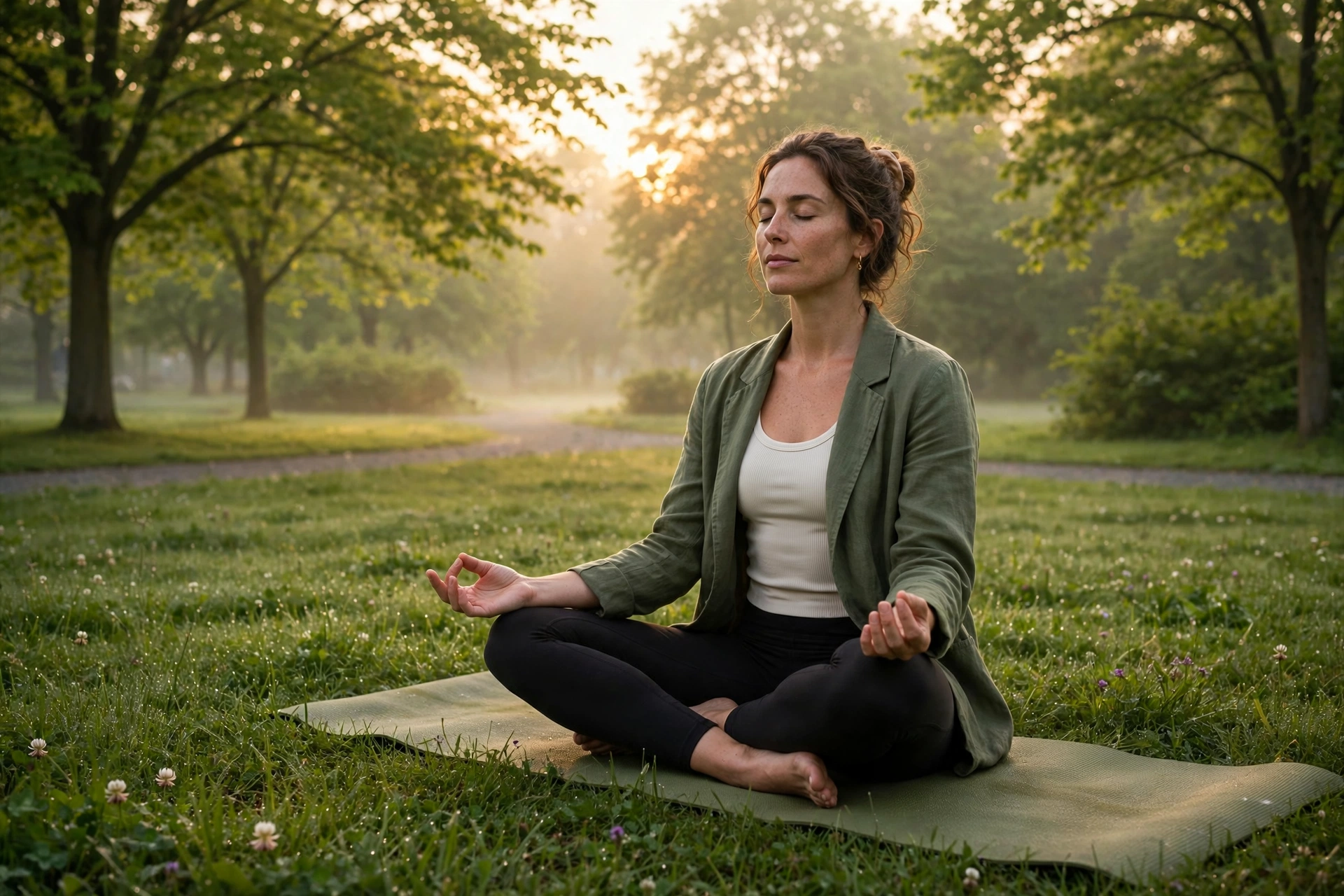
Have you ever wanted to try meditation but had no idea where to start? You are not alone. Millions of Americans are searching for simple ways to reduce stress, support their emotional and spiritual well-being, and feel calmer during the day — and meditation for beginners is one of the most searched wellness topics in the USA for good reason. The good news: you do not need any special equipment, a silent room, or an hour of free time. Just a few minutes a day is enough to begin.
This beginner-friendly guide explains what meditation is, why it works, and how to start meditating today with a simple step-by-step routine. Whether you are a busy parent, a stressed professional, or simply curious, you will find a practical path to a calmer mind right here.
What Is Meditation, Really?
Meditation is simply the practice of training your attention and awareness. It is not about “emptying your mind” or stopping your thoughts — a common myth that discourages many beginners. Instead, meditation teaches you to notice your thoughts without getting carried away by them.
Think of it like this: your mind is a busy highway, and meditation is sitting on the grass beside it, watching the cars pass instead of chasing every one. With practice, that skill carries into daily life, helping you respond to stress instead of reacting to it.
Why Millions of Americans Are Starting to Meditate
Meditation has moved from the fringes into the mainstream because the benefits are both practical and well documented. Here is what a regular practice can do for you:
- Lower stress and anxiety: Even short daily sessions help calm the nervous system and reduce the body’s stress response.
- Better sleep: A calm evening meditation can quiet racing thoughts and make it easier to fall asleep. Combine it with healthy eating habits for all-around wellness.
- Improved focus: Training your attention strengthens concentration at work, school, and home.
- Emotional balance: Meditation builds awareness of emotions, making mood swings easier to manage.
- Lower blood pressure: Relaxation practices are associated with healthier cardiovascular markers over time.
You do not need to believe in anything spiritual to benefit. Many Americans practice meditation as a purely practical mental-fitness habit, like going to the gym for the brain.
How to Start Meditating: A Simple 5-Step Routine
Forget complicated techniques. This simple routine takes just five minutes and works perfectly for complete beginners.
Step 1: Pick a Consistent Time
Morning works well for most beginners because the mind is quieter and the day has not yet taken over. Pair it with morning jogging to build a powerful healthy morning routine, then fuel up with healthy breakfast ideas. The best time is simply the time you will actually do it. Link meditation to an existing habit — right after brushing your teeth, for example — so it becomes automatic.
Step 2: Find a Comfortable Spot
Sit in a chair with your feet flat on the floor, or on a cushion with your back straight. You do not need to sit cross-legged on the floor. Comfort matters more than posture perfection, because discomfort becomes a distraction.
Step 3: Set a Timer for Five Minutes
Knowing the timer is running frees you from wondering how much time has passed. Start with five minutes. When that feels easy, move to ten, then fifteen. Consistency beats duration — five minutes daily beats an hour once a month.
Step 4: Focus on Your Breath
Close your eyes and simply notice your breathing. Feel the air entering your nose, your chest rising, your belly expanding. When you notice your mind has wandered (it will, constantly), gently bring your attention back to the breath. That moment of noticing and returning is the meditation.
Step 5: End Gently
When the timer sounds, do not jump up immediately. Take one more slow breath, wiggle your fingers and toes, and open your eyes. Notice how you feel. Many beginners report feeling calmer and clearer after just one session.
Common Beginner Mistakes to Avoid
- Trying to stop all thoughts: Thoughts are normal. The goal is noticing them, not eliminating them.
- Judging your sessions: There is no such thing as a “bad” meditation. Showing up is the win.
- Starting too long: Marathon sessions lead to burnout. Build the habit small first.
- Meditating only when stressed: Daily practice builds resilience; occasional practice only treats symptoms.
- Waiting for the perfect setup: Apps, cushions, and quiet rooms are nice but not required.
Easy Meditation Techniques to Try Next
Once the basic breath-focus routine feels comfortable, explore these beginner-friendly variations:
Body Scan Meditation
Slowly move your attention from the top of your head down to your toes, noticing sensations in each area. This is excellent for releasing physical tension — much like unwinding at the beach — and great before bed.
Guided Meditation
Follow along with a recorded voice that talks you through the session. Many free apps and videos offer excellent guided meditations for beginners, making it easier to stay focused.
Walking Meditation
Walk slowly and deliberately, paying attention to each step, the feeling of your feet, and the rhythm of your movement. Perfect if sitting still feels difficult.
Loving-Kindness Meditation
Silently repeat warm wishes toward yourself and others — “May I be happy, may I be healthy.” This practice is linked to improved mood and stronger feelings of connection.
How to Build a Lasting Daily Meditation Habit
Starting is easy; sticking with it is the real challenge. These practical tips help:
- Start embarrassingly small: Commit to just two minutes. You can always do more.
- Track your streak: Mark an X on a calendar each day. Do not break the chain.
- Forgive missed days: Missing one day is an accident; missing two is the start of a new habit — get back on track fast.
- Join a community: Meditating with a friend or group adds accountability and encouragement.
- Notice the benefits: Pay attention to calmer reactions and better sleep — progress fuels motivation.
The Bottom Line
Meditation for beginners does not have to be complicated, time-consuming, or mystical. Five quiet minutes a day, focused on your breath, is a genuine meditation practice — and it is enough to start changing how you handle stress, sleep, and focus. Pick a time, find a comfortable seat, and begin today. Your future, calmer self will thank you.
Keep reading: how to stop overthinking.
Keep reading: how to use positive affirmations.
Meditation gives you the distance to stop negative self-talk before it spirals — the breath is the anchor, the reframe is the reward.