
The Danish capital is especially rewarding on foot. Many of its most recognizable sights can be enjoyed from public streets and open spaces, making it possible to build a full day of sightseeing without paying an admission fee for every stop.
Whether you are planning a short city break, a family trip, a solo adventure, or a budget-conscious European vacation, this guide highlights free and low-cost ways to experience Copenhagen while keeping your spending under control.
Why Copenhagen Is Great for Budget Travelers
Copenhagen is compact, walkable, and filled with public spaces that are attractions in their own right. Instead of planning your entire itinerary around ticketed museums and paid tours, you can combine famous landmarks with parks, canals, neighborhoods, and waterfront areas.
Walking between attractions is also one of the easiest ways to discover parts of the city that may not appear on a conventional sightseeing itinerary. The result is a more flexible trip with plenty of opportunities for photography, people-watching, architecture, and local atmosphere.
1. Nyhavn Waterfront
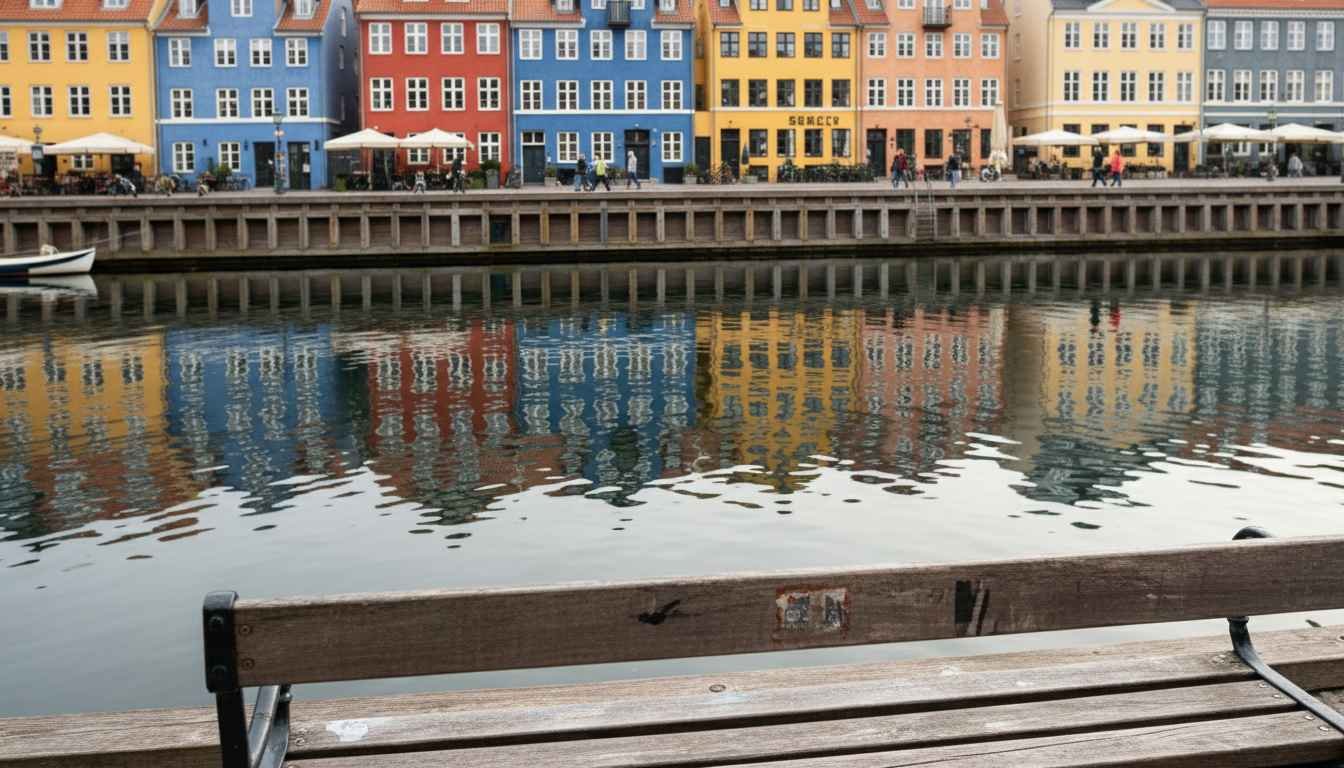
Nyhavn is one of the most recognizable places in Copenhagen, thanks to its colorful historic buildings, canal, wooden boats, and lively waterfront atmosphere. You do not have to sit at one of the restaurants or cafés to enjoy it.
A simple walk along the canal provides excellent views of the colorful facades and boats. Visit earlier in the day for a calmer atmosphere or return later when the waterfront becomes more lively.
2. Amalienborg Palace Square
Amalienborg is the official residence of the Danish royal family, but you can explore the central palace square without paying for palace museum admission.
The symmetrical buildings surrounding the square create an impressive architectural setting. It is also a convenient stop when walking between central Copenhagen and other attractions in the area.
3. The Changing of the Guard
The royal guard tradition adds another reason to visit the Amalienborg area. Visitors can watch the changing of the guard from the public area when the ceremony takes place.
Because ceremonial schedules can vary, check the current arrangements before building your entire day around the event. Even without the ceremony, the square itself is worth seeing.
4. The King’s Garden
The King’s Garden, known locally as Kongens Have, is one of Copenhagen’s most pleasant green spaces. It surrounds Rosenborg Castle and provides a peaceful contrast to the busier streets of central Copenhagen.
You can walk through the gardens, relax on the lawns where permitted, admire seasonal planting, and enjoy the surrounding architecture without purchasing a garden admission ticket.
5. Frederiksberg Gardens
Frederiksberg Gardens is another excellent option when you want to escape the city’s busy streets. The landscaped grounds, open lawns, waterways, bridges, and mature trees make it ideal for a relaxed walk.
It is particularly useful for travelers looking for a slower part of Copenhagen where they can spend several hours without paying for a major attraction.
6. The Little Mermaid
The Little Mermaid is one of Copenhagen’s most famous landmarks and can be viewed from the public waterfront. The bronze sculpture is located near the harbor and can easily be incorporated into a walking itinerary.
Because the attraction is outdoors, there is no need to purchase a standard admission ticket to see the sculpture. Consider combining the visit with a longer harbor walk rather than treating it as a standalone stop.
7. Kastellet
Kastellet is a historic star-shaped fortress and one of the most distinctive open spaces in Copenhagen. Its paths pass through landscaped grounds and historic military structures.
The fortress is a particularly good choice for travelers who enjoy combining history and outdoor scenery. Walking around the site gives you a different perspective on Copenhagen’s past without the cost of a conventional museum visit.
8. Strøget
Strøget is Copenhagen’s famous pedestrian shopping district and one of the easiest places to experience the city’s urban energy for free.
You can browse shop windows, admire historic buildings, watch street performers, and continue toward some of the city’s major squares. You do not have to buy anything to enjoy the walk.
9. Christiansborg Palace Area
The area around Christiansborg Palace offers impressive architecture and public spaces in the heart of Copenhagen. Although some parts of the palace complex require admission, the surrounding cityscape can be explored freely.
This is a useful stop for travelers interested in Danish political history, architecture, and central Copenhagen’s historic atmosphere.
10. Frederik’s Church
Frederik’s Church, often known as the Marble Church, is one of the city’s most impressive architectural landmarks. Its monumental dome and classical design make it worth adding to a walking route around central Copenhagen.
Visitors should distinguish between freely accessible areas and any special areas or services that may have separate arrangements. The exterior alone provides an impressive sightseeing experience.
11. Copenhagen Lakes
The Copenhagen Lakes provide an easy way to enjoy the city at a slower pace. The interconnected lakes are surrounded by walking paths and are popular with residents, runners, cyclists, and visitors.
A walk around the water can be especially enjoyable when you want a break from busy shopping streets. Bring a drink or snack and turn the lakeside route into a relaxed budget-friendly outing.
12. Christiania
Freetown Christiania is one of Copenhagen’s most unusual neighborhoods. Its alternative culture, creative spaces, colorful structures, and distinctive atmosphere make it very different from the city’s formal historic districts.
Walking through public areas can be an interesting experience, but visitors should respect local rules, photography restrictions, residents, and community spaces.
13. Superkilen
Superkilen is a striking urban public space in the Nørrebro district. Its unusual design, colorful elements, recreational areas, and international influences make it a worthwhile stop for travelers interested in contemporary urban design.
The area is also a reminder that Copenhagen sightseeing is not limited to royal buildings and historic attractions. Some of the city’s most interesting experiences can be found in ordinary public neighborhoods.
14. Nørrebro Neighborhood
Nørrebro is an excellent district for travelers who want to experience a more contemporary side of Copenhagen. Its streets combine independent businesses, cafés, residential architecture, public spaces, and a diverse local atmosphere.
You can explore the neighborhood on foot and combine it with Superkilen and other nearby public spaces for a full afternoon without relying on paid attractions.
15. Copenhagen City Hall Square
Rådhuspladsen, or City Hall Square, is another convenient free sightseeing stop. The large public square sits near some of Copenhagen’s busiest streets and provides an excellent starting point for exploring the city center.
Spend some time examining the surrounding architecture before continuing toward Strøget and other central attractions.
16. The Botanical Garden’s Outdoor Areas
Copenhagen’s Botanical Garden is a peaceful place for plant lovers and anyone looking for a greener sightseeing experience. The gardens provide an opportunity to enjoy landscaped outdoor areas while exploring another part of the city.
Keep in mind that specific facilities, exhibitions, or indoor areas may have different access arrangements, so focus on the publicly accessible outdoor experience when planning a free itinerary.
17. Islands Brygge Waterfront
Islands Brygge is a popular waterfront area where visitors can enjoy open views, urban scenery, and a relaxed atmosphere. It is especially appealing during warmer months when residents gather around the harbor.
A waterfront walk here can also give you a different view of Copenhagen compared with the historic center and Nyhavn.
18. Amager Strandpark
If you want to combine Copenhagen sightseeing with time near the water, Amager Strandpark is an excellent choice. The large coastal recreation area offers space for walking, relaxing, and enjoying views of the surrounding water.
It is farther from some central attractions, so consider grouping it with other activities in the same part of the city rather than making a separate short trip only for the beach.
19. Explore Copenhagen by Foot
One of the best free activities in Copenhagen is simply walking through the city. The historic center connects many major sights within a manageable distance, allowing you to create your own sightseeing route.
Start around City Hall Square, continue along Strøget, explore nearby historic streets, walk toward Christiansborg and Nyhavn, and continue toward Amalienborg. This approach lets you experience multiple landmarks without repeatedly paying for transportation.
20. Enjoy Copenhagen’s Architecture and Street Life
Copenhagen’s architecture is an attraction in itself. Historic facades, narrow streets, modern buildings, public squares, canals, bicycles, and waterfront views create plenty of visual interest.
Instead of rushing between paid attractions, leave time in your itinerary for spontaneous walks. Some of the most memorable moments can come from discovering a quiet street, an attractive courtyard, a public square, or a waterfront viewpoint.
How to Plan a Free Day in Copenhagen
A little planning can help you see more while spending less. Rather than crossing the city repeatedly, group attractions by location.
- Morning: Start around City Hall Square and walk through Strøget.
- Late morning: Continue toward Christiansborg and the central waterfront.
- Afternoon: Walk around Nyhavn and continue toward Amalienborg.
- Later afternoon: Explore Kastellet and visit the Little Mermaid.
- Evening: Return toward the center or choose a waterfront area for a relaxed walk.
This type of itinerary gives you plenty of sightseeing without requiring a ticket for every stop.
Tips for Visiting Copenhagen on a Budget
Walk Whenever Practical
Copenhagen is highly suited to walking, particularly around the central districts. Walking saves transportation costs and allows you to discover streets and neighborhoods you might otherwise miss.
Bring Water and Snacks
Buying food and drinks repeatedly during sightseeing can quickly increase your daily expenses. Carrying water and a few snacks can make a noticeable difference to a budget trip.
Use Parks for Breaks
Instead of paying for a café every time you need to rest, use Copenhagen’s parks and public spaces. They provide natural places to pause between attractions.
Check Attraction Access Before You Go
Free access can depend on the specific area, event, season, or current visitor arrangements. If a particular attraction is essential to your itinerary, check its current visitor information before traveling.
Build Around Neighborhoods
Grouping nearby attractions reduces unnecessary transportation and gives you more time to explore. Copenhagen’s neighborhoods can be destinations rather than simply places you pass through on the way to a major landmark.
Best Free Places in Copenhagen for Different Travelers
For First-Time Visitors
Nyhavn, Amalienborg, Strøget, Christiansborg, and the Little Mermaid are excellent choices for a first introduction to Copenhagen.
For Families
Large parks, waterfront walks, Kastellet, and open public spaces provide flexibility for families who want sightseeing without paying admission at every stop.
For Couples
Nyhavn, the Copenhagen Lakes, waterfront areas, and the city’s historic streets create plenty of opportunities for relaxed walks and scenic moments.
For Solo Travelers
Walking routes through the city center, Nørrebro, Strøget, and the waterfront districts make it easy to explore independently and adjust your itinerary throughout the day.
Frequently Asked Questions
What are the best places to visit in Copenhagen for free?
Some of the best free experiences include Nyhavn, Amalienborg Palace Square, the King’s Garden, Frederiksberg Gardens, Kastellet, the Little Mermaid, Strøget, Copenhagen Lakes, Christiania, and various waterfront areas.
Can you explore Copenhagen without spending much money?
Yes. Copenhagen has many public parks, historic streets, waterfronts, squares, and outdoor landmarks that can be enjoyed without admission fees. Walking between attractions is also a practical way to control transportation costs.
Is Nyhavn free to visit?
Yes. Walking along the public waterfront and viewing the colorful buildings and boats does not require you to buy anything. Restaurants, cafés, and other commercial activities around Nyhavn are separate expenses.
Is the Little Mermaid free to see?
Yes. The Little Mermaid is displayed outdoors in a public waterfront setting, so visitors can view the sculpture without purchasing a standard attraction ticket.
What is the best way to explore Copenhagen for free?
Walking is one of the best approaches. Create a route that connects several nearby landmarks, parks, neighborhoods, and waterfront areas instead of traveling separately to each attraction.
Is Copenhagen good for a budget-friendly city break?
It can be. Although Copenhagen has relatively high everyday costs, travelers can reduce sightseeing expenses by prioritizing free outdoor attractions, walking, public spaces, and self-guided exploration.
Final Thoughts
The best places to visit in Copenhagen for free prove that you do not need to spend heavily to experience the Danish capital. From the colorful waterfront of Nyhavn and the historic setting of Amalienborg to peaceful parks, public squares, neighborhoods, and coastal spaces, Copenhagen offers a wide range of free sightseeing opportunities.
The key is to plan your itinerary around areas rather than individual attractions. Walk between landmarks, take advantage of public parks, spend time along the waterfront, and leave room for spontaneous exploration.
If you are building a broader travel itinerary, you can also explore other destination guides on PathVoice, including places to visit in the Northeast, places to visit in New England, and places to visit in Ireland.
With a little preparation, Copenhagen can be explored through its streets, parks, canals, architecture, and public spaces while keeping your sightseeing budget under control.