
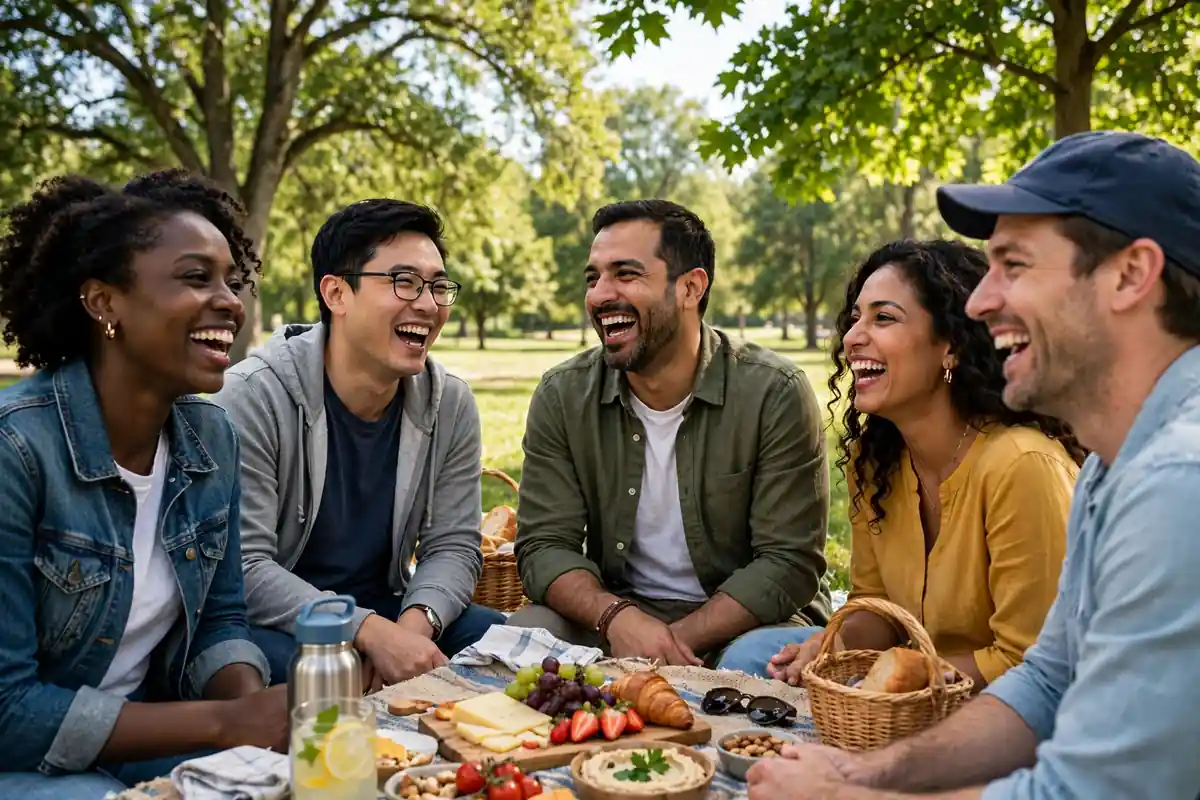
Remember when making friends was easy? You sat next to someone in class, shared crayons, and by recess you were best friends. As an adult, it feels like everyone already has their circle, their schedule is full, and striking up a friendship takes an effort nobody seems to have time for. If you feel lonely in a crowded adult world, you are far from alone.
Here is the truth: making friends as an adult is absolutely possible, but it works differently than it did in school. It takes intention, repetition, and a willingness to be the one who reaches out first. This guide gives you thirteen real, practical ways to make friends as an adult — strategies that work for busy schedules, new cities, and even the socially rusty.
Why Adult Friendships Are Harder (and Why That Is Normal)
Researchers describe three ingredients friendships need: proximity, repeated unplanned interactions, and a setting that encourages vulnerability. School and college provided all three automatically. Adult life provides almost none — you work from home, commute alone, and socialize by appointment.
That is why adult friendships require deliberate effort. The good news is that effort works. Studies on friendship formation consistently show that time spent together is the strongest predictor of closeness. If you have been feeling isolated, learning to overcome loneliness starts with understanding it is a structural problem, not a personal failing.
1. Become a Regular Somewhere
The single most effective friendship strategy is repeated exposure. Pick a place — a coffee shop, a gym class, a coworking space, a dog park, a volunteer shift — and show up at the same time, regularly. Familiarity breeds comfort, and comfort opens the door to conversation.
You do not need to perform or be brilliant. Just be present, be friendly, and let repetition do its quiet work. The tenth time you see the same face is when “hey” finally becomes a real conversation.
2. Reconnect With Old Friends First
Before chasing new friendships, look backward. That college friend you lost touch with, the former coworker you always liked, the cousin you only see at holidays — these are warm leads. Reaching out feels awkward for about ten seconds, and then it feels wonderful.
Send a simple message: “I was thinking about you and wanted to say hi. Want to grab coffee sometime?” Most people are delighted. Everyone is busy, and almost everyone wishes someone would make the first move. Be that someone.
3. Join Groups Built Around Your Interests
Shared interests are friendship accelerants. Join a hiking group, a book club, a cooking class, a sports league, a board game night, or a community art workshop. When you already have something in common, conversation flows naturally and silences are not awkward.
Search local community boards, libraries, and recreation centers — not just apps. In-person groups beat online ones for actually forming bonds, because nothing replaces being in the same room week after week.
4. Volunteer for a Cause You Care About
Volunteering puts you shoulder-to-shoulder with people who share your values, working toward something meaningful together. That combination — shared purpose plus teamwork — forges strong bonds fast. Animal shelters, food banks, park cleanups, and mentoring programs all need regular help.
Bonus: helping others is one of the most reliable mood boosters there is. You will feel better about yourself while meeting people worth knowing — a genuine win on both fronts.
5. Learn to Make Small Talk (It Is a Skill)
Small talk gets mocked, but it is the doorway every deep friendship walks through. Nobody opens with their life story; they open with the weather, the coffee, the shared situation. The trick is to treat small talk as a warm-up, not the main event, and to ask one genuine follow-up question.
“What keeps you busy these days?” beats “How are you?” every time. Listen to the answer and ask about the interesting part. If this feels hard, practical tips on how to make small talk with anyone can turn an awkward skill into a comfortable one.
6. Improve Your Conversation Skills
Beyond small talk, good conversationalists share a few habits: they ask open-ended questions, they listen more than they speak, they remember details from last time, and they are not afraid of a thoughtful pause. These are learnable skills, not personality traits.
Practice being curious about people. Everyone has a story, a passion, or a struggle that is interesting if you dig a little. Working to improve communication skills will upgrade not just friendships but every relationship in your life.
7. Say Yes More Often
Friendships die from declined invitations. If you want more friends, you have to accept more invitations — the after-work drink, the weekend hike, the dinner party where you know one person. Yes is how casual acquaintances become real friends.
You do not have to say yes to everything forever. But for a season, bias toward yes. Each accepted invitation is a lottery ticket for connection, and you cannot win if you do not play.
8. Initiate and Follow Up
Here is the uncomfortable secret of adult friendship: someone has to go first, and it might as well be you. Suggest the coffee. Propose the walk. Send the “great meeting you, let’s do it again” text the next day. Then follow up a week later.
Most friendships fail not from rejection but from nobody following up. A simple “I had fun — want to do it again next week?” keeps momentum alive. If they say no or go quiet, that is information, not catastrophe. Move on warmly.
9. Be Vulnerable (a Little at a Time)
Closeness requires letting people see the real you — not all at once, but gradually. Share something slightly personal: a challenge you are facing, something you are excited about, an opinion you actually hold. Then notice if they reciprocate.
This mutual, gradual self-disclosure is how strangers become confidants. It feels risky, but the alternative — staying perfectly guarded — guarantees the loneliness you are trying to escape. Start small and let trust build naturally.
10. Nurture the Friendships You Start
Making a friend is only half the job; keeping one takes maintenance. Remember birthdays. Check in after a tough week. Send the article that made you think of them. These small gestures signal that the friendship matters to you.
A thoughtful thank-you note after someone hosts you, or a quick text when you hear good news about them, costs almost nothing and means a great deal. Consistency is what turns a new friend into an old friend.
11. Build Your Chosen Family Intentionally
Not every meaningful connection has to look like traditional friendship. Neighbors, mentors, activity partners, and community members can all become part of your social fabric. Think in terms of building a circle rather than finding one perfect best friend.
Many adults find deep belonging in what they call their chosen family — people who show up for each other by choice, not obligation. Hosting a regular low-key gathering, like a monthly dinner or game night, gives this circle a place to grow.
12. Support Others and Let Them Support You
Friendship is a two-way street, and the giving lane matters as much as the receiving one. Show up when a friend is struggling. Offer help before being asked. Celebrate their wins loudly. People remember who was there during hard times.
Equally important: let people help you. Many adults resist asking for support, but vulnerability deepens bonds. Learning how to support a friend in crisis — and accepting support when you are the one in crisis — is what transforms acquaintances into lifelong friends.
13. Set Boundaries to Keep Friendships Healthy
Good friendships need good boundaries. You can be warm and generous while still protecting your time and energy. It is okay to say no to plans, to need alone time, and to step back from dynamics that drain you.
Healthy boundaries actually make friendships last longer, because they prevent resentment from building. The same skills that help you set boundaries without guilt in romantic relationships work just as well with friends. And if a connection turns consistently toxic, it is okay to end toxic friendships and invest that energy in healthier ones.
Overcoming the Fear of Rejection
The biggest barrier is rarely logistics — it is fear. Fear of seeming desperate, fear of awkwardness, fear that they will say no. Here is the reframe: most people are flattered to be approached. The socially confident people you admire are not fearless; they just act despite the fear.
If public situations trigger real anxiety, you are not alone, and it is workable. Practical steps to overcome fear of public speaking build the same confidence muscles that help in social settings. Start with low-stakes interactions and build up.
Conclusion
Making friends as an adult takes more intention than it did at seven, but the friendships are worth it — deeper, chosen, and built on who you actually are. Become a regular somewhere, say yes more, follow up, be a little vulnerable, and nurture what grows. Add simple habits for a happier life along the way, and you will find that connection and well-being rise together.
This week, do one thing: message one old friend or accept one invitation you would normally decline. One small act of reaching out is how every great adult friendship begins.










