
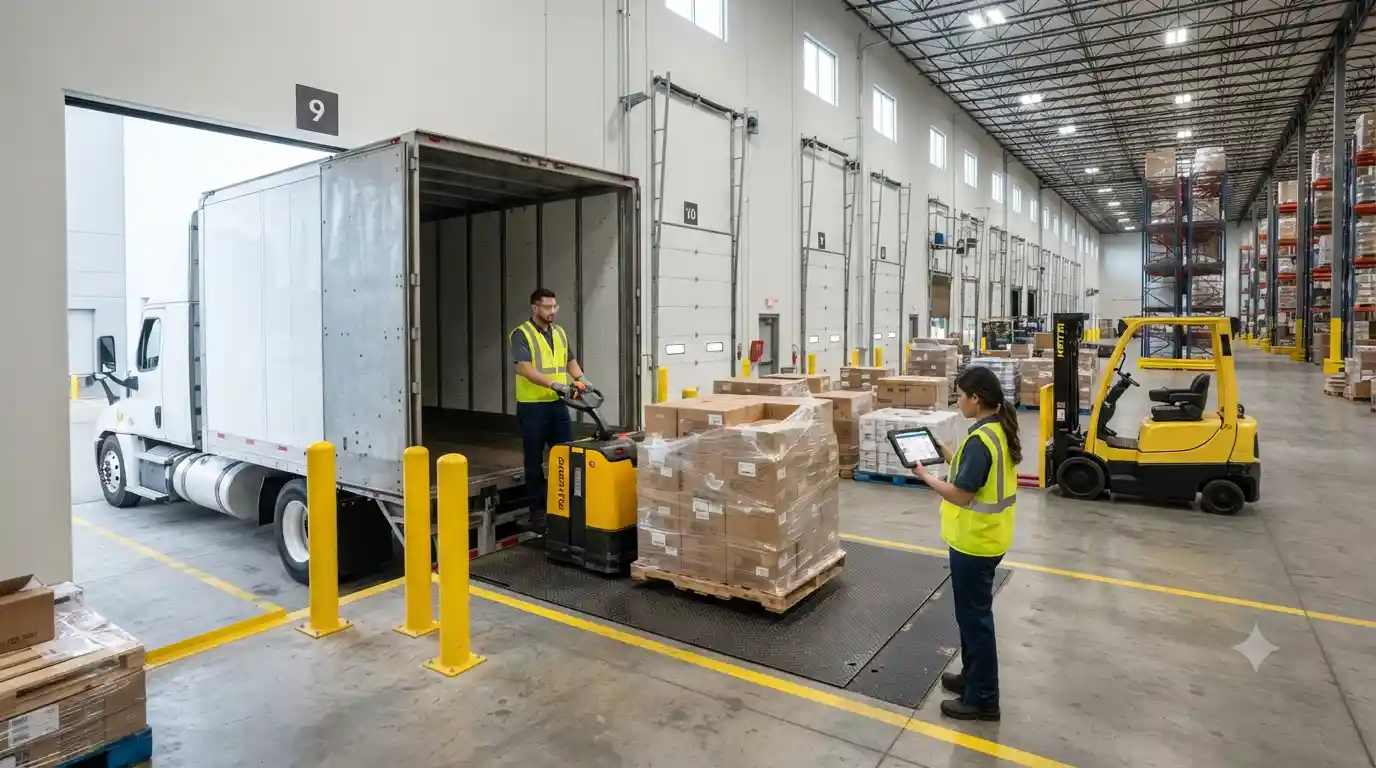
The phrase Apex unloading Capstone Logistics connects two important parts of the company’s approach: its inbound unloading operations and its proprietary technology designed to provide greater visibility into warehouse performance. Together, these capabilities can help businesses improve receiving workflows, monitor operational data, and reduce avoidable inefficiencies.
This guide explains how Capstone’s unloading services work, what APEX technology contributes, how digital unloading payments fit into the process, and why these capabilities matter to shippers, warehouses, and transportation providers.
What Is Capstone Logistics?
Capstone Logistics is a third-party logistics provider offering warehouse management, transportation, and performance solutions. Its current service portfolio covers activities ranging from inbound and outbound warehouse operations to transportation and last-mile delivery.
Capstone describes its operating model as a combination of people, processes, and technology. Its warehouse-management services can be used for individual functions or broader facility operations, depending on a customer’s requirements.
The company currently reports a network of more than 700 locations and more than 20,000 associates. It also highlights the use of operational data and its APEX technology platform to provide visibility into warehouse performance.
What Does Inbound Unloading Mean?
Inbound unloading is the process of removing freight from arriving trucks or other transportation equipment after it reaches a warehouse, distribution center, or receiving facility.
Although unloading may appear straightforward, it can affect several parts of the supply chain. A slow receiving process can contribute to longer driver wait times, crowded docks, delayed inventory availability, and additional operating costs.
Capstone’s inbound unloading service uses trained warehouse labor, often referred to in the industry as lumpers, to support the unloading process. The company’s warehouse-management materials position inbound unloading as a way to improve productivity, control expenses, and support customer satisfaction.
How APEX Technology Supports Unloading Operations
APEX is Capstone’s proprietary technology platform for warehouse and logistics operations. Rather than functioning as an unloading service by itself, APEX provides data, visibility, and operational tools that can support the people performing warehouse work.
Capstone says APEX collects and interprets billions of supply-chain data points. The platform can monitor measures such as load and unload times, pallets per hour, cases per hour, driver gate times, detention, and other operational indicators.
This information can help warehouse teams identify where delays or productivity problems are occurring instead of relying solely on manual observations.
Real-Time Operational Visibility
Visibility is particularly important at receiving docks. Managers need to understand what is arriving, how quickly freight is being processed, and where bottlenecks are developing.
Capstone’s APEX materials describe tools for managed receiving, operational analytics, compliance tracking, and real-time visibility. These capabilities can give warehouse leaders a clearer picture of activity across individual facilities and broader operations.
Tracking Load and Unload Times
Time is a critical measurement in unloading operations. APEX can track load and unload times, driver gate-in and gate-out times, and detention-related information.
Monitoring these metrics can help teams identify recurring delays and compare performance over time. Instead of treating every delay as an isolated event, warehouse operators can use operational data to look for patterns.
Benchmarking Productivity
Warehouse productivity can be measured using several different metrics. APEX includes measures such as pallets per hour, cases per hour, price per pallet, and price per case.
Benchmarking these indicators can help businesses understand whether a facility is performing as expected and where additional process improvements may be worthwhile.
Why Efficient Unloading Matters to the Supply Chain
Unloading is only one stage in the supply chain, but problems at the receiving dock can have consequences beyond the warehouse entrance.
When inbound freight is processed efficiently, inventory can move into the facility more predictably. Drivers may spend less time waiting, warehouse resources can be scheduled more effectively, and downstream activities can receive goods sooner.
Capstone’s approach focuses on improving warehouse performance through operational execution, trained labor, and technology. Its warehouse-management offering states that partners can use the company’s teams and technology to increase productivity, reduce costs, mitigate risk, and improve visibility.
CapstonePay and Digital Unloading Payments
Unloading efficiency is not limited to physically moving freight. The payment process associated with unloading services can also create administrative work and delays.
CapstonePay is Capstone’s digital payment platform for unloading services. It allows eligible truck drivers delivering to Capstone-supported facilities to pay electronically without leaving their vehicles.
According to Capstone, the system supports multiple payment methods and integrates with major fleet check and fuel card providers. It also provides electronic receipts, helping carriers maintain documentation without relying on paper receipts.
How CapstonePay Can Improve the Driver Experience
- Remote payment: Drivers can complete eligible unloading payments from their vehicles.
- Electronic receipts: Digital receipts provide a record that can be easier to retain and retrieve.
- Reduced administrative steps: Digital processing can eliminate some manual payment procedures.
- Faster processing: Streamlined payment can help reduce unnecessary delays associated with traditional payment methods.
- Improved security: Contactless payment and electronic records can reduce reliance on physical checks and paper documentation.
Capstone states that CapstonePay is designed to help drivers get back on the road faster while protecting drivers and shippers against lost receipts and certain payment-related risks.
APEX and the Driver Experience
The unloading experience affects more than warehouse employees. Drivers are also directly affected by the speed and organization of receiving operations.
APEX includes measurements related to driver gate times, unload times, detention, and driver feedback. These data points can help warehouse teams understand how operational decisions affect carriers.
When receiving operations are organized around measurable performance, facilities can identify recurring sources of driver delay and determine where process changes may improve the overall experience.
Security and Risk Management in Unloading Operations
Security in logistics involves more than protecting freight from physical damage. Businesses also need accurate records, controlled processes, reliable data, and appropriate operational oversight.
Capstone says its warehouse-management model incorporates safety programs, recruiting and training standards, compliance processes, and technology designed to identify operational risks.
Digital payment tools can add another layer of process control. Electronic records provide documentation of transactions, while remote payment can reduce the need for drivers to handle physical payment instruments at receiving locations.
How Capstone’s Unloading Model Can Support Different Industries
Receiving requirements vary considerably between industries. A grocery distribution center may have different requirements from an automotive parts facility, consumer-products warehouse, or healthcare operation.
Capstone lists multiple industries it serves, including retail, consumer products, industrial and automotive, healthcare, grocery and food service, and food and beverage.
Retail and Consumer Products
High-volume retail and consumer-product operations often depend on consistent receiving performance. Efficient unloading can help facilities maintain a predictable flow of goods into inventory and onward to distribution or fulfillment operations.
Food and Grocery
Food-related logistics can involve additional requirements related to speed, handling, and temperature. Receiving delays can be particularly important when facilities handle time-sensitive or temperature-sensitive products.
Industrial and Automotive
Manufacturing and automotive operations can depend on predictable material flow. Efficient unloading and warehouse handling can support the movement of parts and components into production-related processes.
Healthcare Logistics
Healthcare logistics requires careful handling and dependable processes because facilities may manage products with specialized storage, handling, or compliance requirements. Warehouse operations should therefore be matched to the requirements of the products being received.
Key Benefits of a Technology-Supported Unloading Process
A technology-supported unloading operation can provide several potential advantages when the technology is integrated effectively with trained personnel and clearly defined processes.
- Better visibility: Managers can monitor operational metrics instead of relying entirely on manual reporting.
- Improved accountability: Measurable performance indicators make it easier to identify recurring operational problems.
- More efficient receiving: Data can reveal bottlenecks that affect unloading and dock flow.
- Reduced administrative work: Digital payment and electronic records can simplify certain unloading transactions.
- Better decision-making: Historical and real-time data can help teams evaluate operational changes.
- Scalable operations: Standardized processes and technology can help organizations manage performance across multiple facilities.
What Makes an Effective Unloading Operation?
Technology alone does not guarantee an efficient warehouse. A successful unloading operation depends on several components working together.
Trained Warehouse Labor
People remain central to unloading. Teams need appropriate training, equipment knowledge, safety awareness, and clear operating procedures.
Well-Organized Dock Processes
Receiving schedules, dock assignments, equipment availability, freight documentation, and communication all influence how efficiently trucks move through a facility.
Useful Performance Metrics
Metrics are valuable when managers use them to make decisions. Tracking unload time, productivity, detention, and other indicators can reveal where improvements are needed.
Integrated Technology
Technology should support warehouse workers rather than create another disconnected administrative layer. APEX is designed around operational visibility, analytics, and warehouse data so teams can make more informed decisions.
Continuous Improvement
Warehouse conditions change constantly. Seasonal volume, customer requirements, transportation patterns, labor availability, and facility constraints can all affect performance. Continuous measurement allows operators to adjust processes as conditions change.
Choosing a Logistics Partner for Unloading Services
Businesses evaluating an unloading or warehouse-management provider should look beyond labor availability. A strong evaluation should consider operational experience, safety practices, technology, reporting, scalability, industry expertise, and communication.
Useful questions to ask include:
- How is unloading productivity measured?
- What training do warehouse associates receive?
- How are safety and compliance managed?
- What technology is available for receiving visibility?
- How are driver wait times and detention monitored?
- How are unloading payments handled?
- Can the provider scale during seasonal volume increases?
- Can performance data be integrated into existing warehouse processes?
APEX Unloading Capstone Logistics: The Bigger Picture
The value of the APEX unloading Capstone Logistics model is not simply the ability to unload a truck. The broader concept is to connect warehouse labor, receiving processes, payment systems, and operational data.
Capstone’s current APEX platform is designed to turn warehouse data into actionable operational insights. Its unloading services provide the physical labor and execution needed at the dock, while digital tools such as CapstonePay address administrative aspects of the receiving process.
For businesses managing high-volume inbound freight, this combination can provide a more measurable approach to warehouse operations. The exact results, however, depend on facility conditions, freight characteristics, staffing, processes, and how effectively the available technology is implemented.
Final Thoughts
Apex Unloading Capstone Logistics represents the intersection of inbound unloading services and technology-enabled warehouse management. Capstone combines trained operational teams with its APEX technology platform to provide visibility into metrics such as unload times, productivity, driver activity, and other warehouse performance indicators.
CapstonePay extends this approach into unloading payments by allowing eligible drivers to complete transactions electronically and receive digital records. Together, these tools address both physical and administrative aspects of the receiving process.
For companies evaluating third-party logistics support, the most important consideration is whether a provider can consistently align people, processes, technology, safety, and measurable performance with the facility’s operational goals. Capstone’s unloading and technology solutions are designed around that broader objective.
Frequently Asked Questions
What is Apex Unloading at Capstone Logistics?
APEX is Capstone Logistics’ proprietary technology platform, while inbound unloading is a separate warehouse service. APEX supports unloading and receiving operations by providing operational data, visibility, analytics, and performance measurements.
What does Capstone Logistics do?
Capstone Logistics provides third-party logistics services that include warehouse management, inbound unloading, transportation, last-mile delivery, and performance solutions.
What is CapstonePay?
CapstonePay is Capstone’s digital payment platform that allows eligible truck drivers delivering to supported facilities to pay unloading fees electronically and receive digital receipts.
How does APEX help warehouse operations?
APEX collects and analyzes operational data, including measurements related to load and unload times, productivity, driver activity, and other warehouse performance indicators. This information can help managers identify inefficiencies and make operational decisions.
Why is efficient unloading important?
Efficient unloading can help reduce receiving bottlenecks, improve dock flow, support inventory movement, and reduce unnecessary driver waiting time. It can also provide better visibility into warehouse performance when supported by appropriate technology.
Does Capstone Logistics provide services beyond unloading?
Yes. Capstone provides broader warehouse management, transportation, performance, and last-mile solutions, allowing businesses to use individual services or broader logistics support depending on their operational requirements.