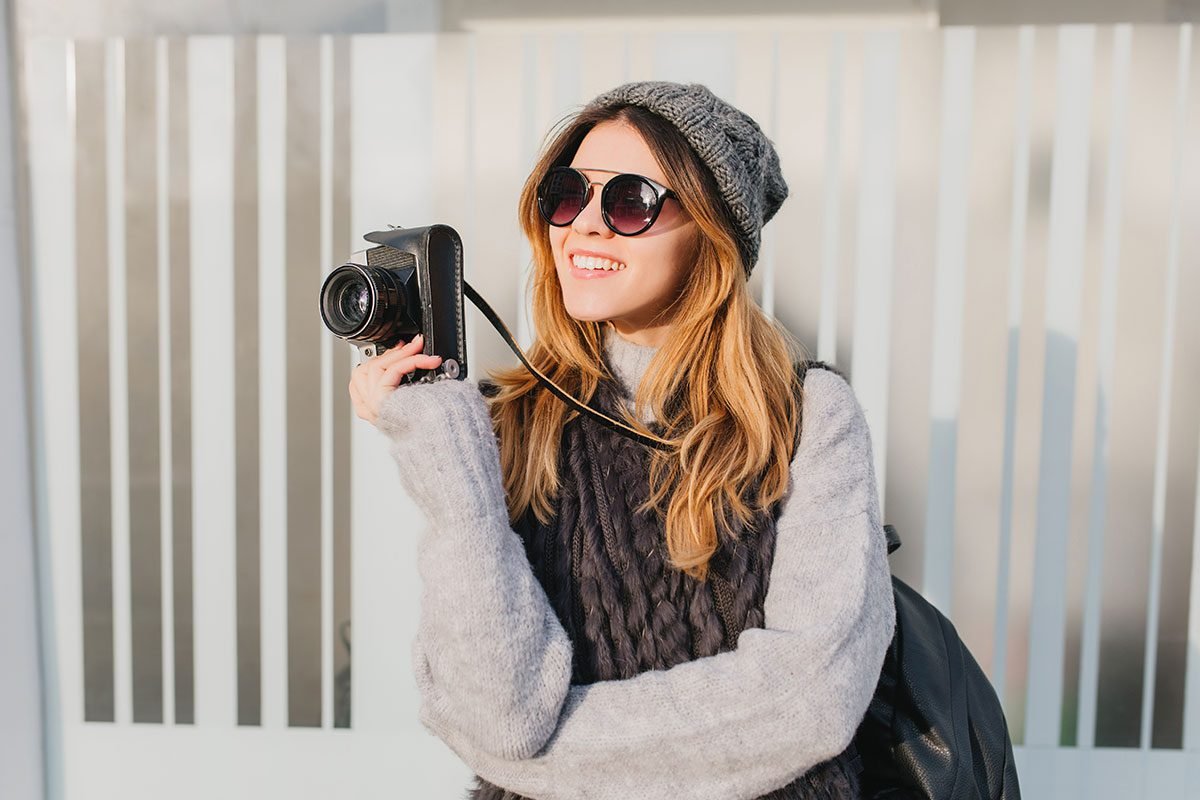

Risky beauty is not simply about doing something extreme for attention. At its best, it represents curiosity, individuality, creative expression, and a willingness to question established beauty standards. At the same time, responsible experimentation matters because not every viral beauty technique or product is appropriate for every person.
The result is a beauty culture that feels more personal, expressive, and experimental than the traditional one-size-fits-all approach. Brands are responding by creating products, campaigns, and experiences designed around individuality rather than a single definition of perfection.
What Does “Risky Beauty” Actually Mean?
Risky beauty describes beauty choices that move beyond familiar routines and conventional expectations. It can include unusual color combinations, dramatic makeup, experimental textures, unconventional styling, emerging beauty technologies, or new approaches to personal expression.
The important distinction is that being adventurous does not mean ignoring safety. A bold makeup look and an untested chemical treatment should never be treated as equally harmless. Responsible risky beauty means understanding the difference between creative experimentation and unnecessary physical risk.
This broader approach to beauty also connects with changing ideas about lifestyle and self-expression. For example, personal style increasingly overlaps with fashion, wellness, accessories, and everyday lifestyle choices. Readers interested in broader lifestyle trends can also explore premium lifestyle ideas and modern daily living.
Why Consumers Are Moving Away From Traditional Beauty Rules
For years, beauty marketing often presented a narrow image of what attractive skin, hair, makeup, and personal style should look like. Modern consumers have more opportunities to discover different aesthetics and choose the ones that feel authentic to them.
Social platforms have accelerated this change. A beauty idea can move from a small creator community to a global audience in a matter of hours. Consumers can now discover unconventional looks, compare different techniques, watch tutorials, and decide whether a trend fits their own identity.
This has created a stronger appetite for personalization. Instead of asking, “What is everyone else wearing or using?” many consumers are asking, “What works for me?”
The same shift can be seen in accessories and personal styling. A statement accessory, for example, can completely change an otherwise simple appearance. The growing interest in modern gold earring designs shows how beauty and fashion increasingly work together as forms of personal expression.
The Rise of Bold Makeup and Experimental Looks
Makeup is one of the easiest areas for consumers to experiment with because many changes are temporary. Bold eyeliner, unconventional eyeshadow, metallic finishes, graphic shapes, unusual blush placement, and statement lip colors can all create dramatically different appearances without requiring a permanent change.
That flexibility makes makeup an important part of risky beauty culture. Consumers can test an aesthetic, photograph it, share it online, and move on to something completely different the next day.
Experimental makeup also challenges the idea that beauty must always appear polished or predictable. Creative makeup can be artistic, playful, dramatic, minimal, theatrical, or intentionally imperfect.
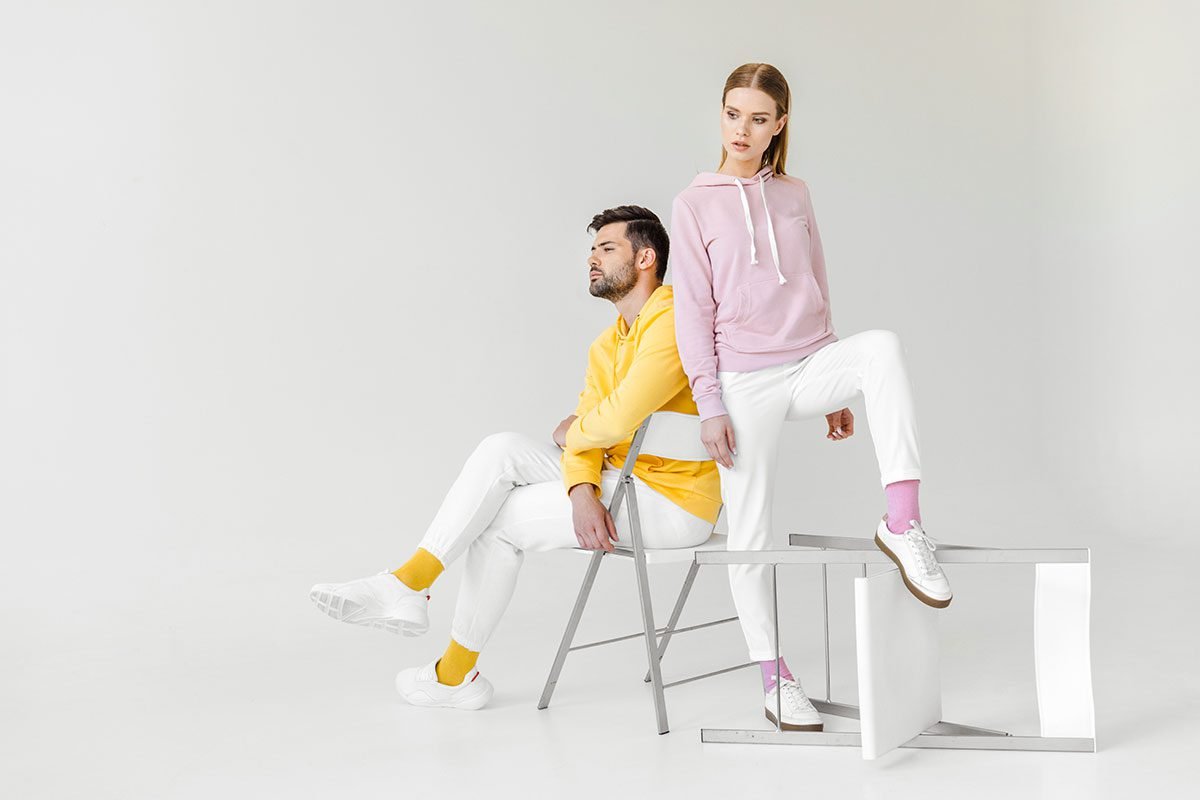
This movement is closely connected with fashion. Clothing, accessories, makeup, and grooming increasingly form one visual identity rather than separate categories. Even sportswear and streetwear can influence beauty aesthetics, as seen in the growing relationship between athletic style and personal appearance. For another perspective on fit and contemporary athletic styling, see the Darc Sport size and style guide.
Social Media Has Made Risky Beauty More Visible
Social media has changed the speed at which beauty trends develop. In the past, a new beauty look might need magazine coverage, celebrity exposure, or a major advertising campaign to reach a large audience. Today, creators can introduce a look directly to viewers.
Short-form video is especially powerful because it shows the transformation process rather than just the final result. Viewers can see how a product is applied, how a makeup technique works, and how a finished look changes under different lighting.
This creates both opportunity and responsibility. A trend that looks impressive on camera may not be suitable for everyone in real life. Consumers therefore need to distinguish between entertainment, personal experimentation, and reliable beauty guidance.
The visual nature of social platforms also encourages people to develop recognizable personal aesthetics. Some favor minimalist beauty, while others prefer dramatic colors, vintage references, artistic makeup, or highly polished styling.
Beauty Is Becoming More Individualistic
One of the most important effects of risky beauty is the move away from a universal definition of attractiveness.
Consumers increasingly want beauty products and techniques that accommodate different skin types, preferences, lifestyles, cultural influences, and personal aesthetics. This creates room for experimentation because there is less pressure to follow one standard.
The result is a beauty environment where individuality can become part of the product experience itself. A skincare routine may be customized. Makeup can be adapted to personal features. Hair styling can reflect personality. Accessories can communicate mood and identity.
Even decorative objects and collectibles can participate in the broader history of beauty culture. The history and appeal of bathing beauty figurines, for example, illustrates how representations of beauty have long existed beyond practical cosmetics and grooming.
How Beauty Brands Are Responding
Beauty companies have noticed that consumers are no longer satisfied with generic messaging. Product discovery increasingly depends on relevance, storytelling, visual identity, and community engagement.
Brands that understand risky beauty can use experimentation as part of their positioning. Instead of simply saying that a product creates a “perfect” appearance, a company can show different ways customers can incorporate it into their own routines.
This creates a more flexible relationship between the brand and the consumer. The product becomes a tool for self-expression rather than a strict instruction about how someone should look.
Marketing also plays a major role in this transition. Beauty businesses can learn from broader discussions around the digital marketing strategies used for consumer products and services.
For brands competing in crowded beauty markets, understanding return on investment is equally important. Broader lessons about digital marketing ROI can help businesses think beyond viral attention and focus on measurable customer relationships.
The Role of Personalization in Modern Beauty
Personalization is one of the strongest reasons risky beauty has gained momentum. Consumers increasingly expect products and recommendations to fit their individual circumstances instead of assuming that everyone needs the same solution.
Technology is helping brands deliver more personalized experiences. Digital consultations, product quizzes, virtual try-ons, skin analysis tools, and recommendation systems can help consumers navigate large product selections.
However, personalization should not become an excuse for exaggerated claims. A recommendation system can suggest products, but consumers still need to understand ingredients, usage instructions, potential sensitivities, and appropriate expectations.
The technology side of personalization is also part of a wider digital transformation affecting modern businesses. Readers interested in that larger shift can explore digital transformation across different industries.
Risky Beauty Does Not Mean Ignoring Safety
The word “risky” can easily be misunderstood. Beauty experimentation should not encourage people to perform dangerous procedures, misuse professional treatments, or apply unverified substances to their skin.
Responsible experimentation begins with basic caution. Before trying a new cosmetic or skincare product, consumers should read the instructions, review the ingredient information, consider known sensitivities, and follow the manufacturer’s directions.
Patch testing can be useful for certain products, although it does not guarantee that a reaction will never occur. Professional advice may also be appropriate when someone is considering a treatment that affects the skin more deeply or involves significant irritation or other potential complications.
DIY beauty content deserves particular scrutiny. A technique being popular online does not automatically make it safe or appropriate. Beauty creators may have different skin types, professional training, lighting conditions, editing practices, or access to professional support.
Emerging Beauty Technology Is Expanding Experimentation
Technology is giving consumers new ways to explore beauty without immediately committing to a physical transformation. Virtual try-on tools can help users preview makeup or hair colors. Digital consultations can make product discovery more interactive. Smart devices can also introduce new approaches to personal care.
Beauty technology is part of a much larger movement toward technology-enabled consumer experiences. The development of specialized devices demonstrates how innovation continues to influence personal care and everyday routines.
For example, the discussion surrounding red-light technology and hair-drying devices illustrates how technology can become part of beauty conversations even when the underlying category remains familiar.
Consumers should still evaluate technology based on practical benefits rather than novelty alone. A futuristic appearance or viral presentation does not necessarily mean that a device delivers meaningful value.
Beauty and Fashion Are Becoming More Connected
Risky beauty is also changing how consumers think about the relationship between beauty and fashion. Makeup no longer has to match a traditional wardrobe aesthetic. Hair, accessories, clothing, and cosmetics can all be used to create a single visual statement.
This makes experimentation more accessible because consumers can change one element of their appearance without completely changing everything else.
Luxury fashion also demonstrates how personal presentation extends beyond cosmetics. The Ermenegildo Zegna Traveller Suit represents a different side of personal style, showing how clothing can communicate confidence, sophistication, and identity.
Beauty consumers are increasingly comfortable combining different influences rather than following one fixed aesthetic. A person might pair minimalist skincare with dramatic makeup, classic clothing with experimental accessories, or athletic-inspired fashion with a bold beauty look.
Why Authenticity Matters More Than Perfection
One of the biggest cultural changes behind risky beauty is the growing value of authenticity.
Consumers can recognize that polished advertising represents an idealized version of reality. Social media has also made it easier to compare different perspectives and discover creators who show both successful and unsuccessful experiments.
This does not mean professional photography or polished beauty content is disappearing. Instead, consumers are becoming more comfortable with multiple definitions of what a finished beauty look can be.
The modern beauty customer may want to look refined one day and highly experimental the next. That flexibility is part of the appeal.
How Beauty Businesses Can Use the Trend Responsibly
For beauty businesses, risky beauty creates an opportunity to move from simply selling products toward building communities around experimentation and creativity.
Successful brands can encourage consumers to explore different applications while providing clear product information. Tutorials can demonstrate multiple ways to use a product. Campaigns can feature different aesthetics rather than one idealized appearance. Customer content can show how real people incorporate products into their routines.
Businesses should also avoid turning “risk” into a marketing gimmick when safety is involved. Consumers need accurate information, realistic expectations, and clear instructions.
Digital marketing strategy becomes particularly important here. Businesses can study how digital marketing can create competitive advantages while maintaining a clear and trustworthy brand identity.
Beauty companies operating in crowded markets can also benefit from understanding the broader principles of advanced digital marketing and how different channels work together.
The Future of Risky Beauty
Risky beauty is likely to continue evolving because experimentation is closely connected to creativity, technology, social media, and changing consumer expectations.
The next stage may be less about extreme trends and more about intelligent personalization. Consumers could increasingly combine digital recommendations, virtual experimentation, customized products, and individual styling choices to create beauty routines that feel uniquely theirs.
At the same time, responsible beauty will remain essential. Consumers are becoming more informed, and brands that communicate honestly will have a stronger foundation for long-term trust.
The industry can also learn from the broader relationship between digital experiences and consumer behavior. Research into the economic impact of digital marketing highlights why digital engagement is no longer simply a promotional tool for modern businesses.
What Risky Beauty Means for Consumers
For consumers, the biggest lesson is that experimentation does not need to mean recklessness.
Trying a new makeup color, changing a hairstyle, experimenting with fashion, exploring different textures, or discovering emerging beauty technology can all be part of healthy self-expression when approached thoughtfully.
The smartest approach is to remain curious while maintaining boundaries. Check product information, understand how something should be used, avoid dangerous DIY procedures, and seek professional guidance when a treatment goes beyond ordinary cosmetic experimentation.
Consumers can also look beyond individual trends and develop a personal style that combines beauty, fashion, wellness, and lifestyle. For inspiration, Ikyk Beauty and modern skincare routines provide another perspective on how beauty habits can become part of everyday identity.
Final Thoughts
Risky beauty is changing the beauty industry because it challenges the assumption that everyone should pursue the same version of perfection. Consumers want more freedom, more personalization, and more opportunities to express themselves.
Social media has accelerated experimentation, technology has expanded the available tools, and changing cultural attitudes have made individuality more valuable. Beauty brands are responding by creating products and marketing experiences that feel more flexible and inclusive.
But the future of beauty experimentation should not be about taking unnecessary risks. The strongest version of risky beauty combines creativity with informed decision-making. It gives people permission to explore while reminding them that safety, product knowledge, and realistic expectations still matter.
That balance is what makes risky beauty more than another temporary trend. It reflects a broader change in how people understand personal appearance: beauty is becoming less about following rules and more about deciding which rules deserve to be challenged.